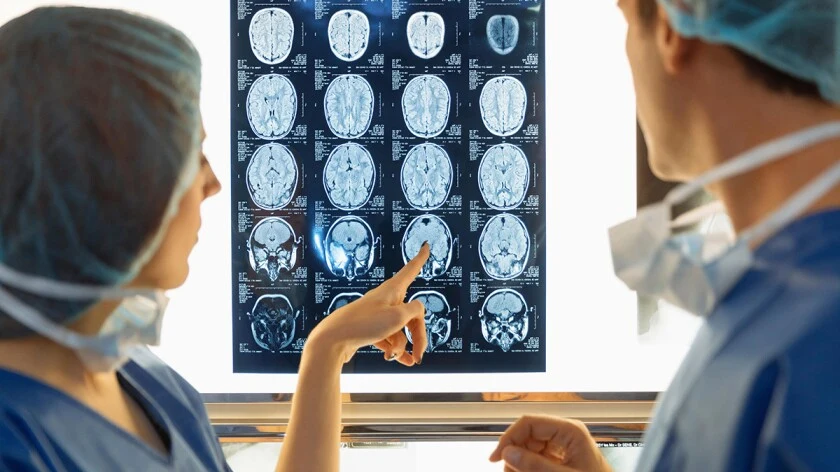
Medical imaging combines technology, patient care, and clinical information, but it is not one occupation. Radiologists, radiographers, imaging technologists, and support staff have different education and responsibilities. Titles also vary between countries, making official local guidance essential.
Separate acquisition from interpretation
Some professionals prepare patients and create images using approved procedures, while medically qualified specialists interpret imaging and contribute to clinical decisions. Medical Fields offers a wider view of healthcare careers, but it cannot replace the precise role descriptions published by regulators and employers.
Verify the required pathway
Research recognised qualifications, supervised clinical experience, registration or licensing, and any speciality requirements in the intended location. Compare how programmes teach anatomy, communication, patient safety, equipment, data protection, and professional accountability.
Consider the working environment
Imaging roles may involve technical concentration, patient contact, teamwork, shift patterns, and careful adherence to protocols. Speak with qualified professionals where possible. A realistic choice should match interest in technology with a clear understanding of healthcare responsibility and ongoing learning.