
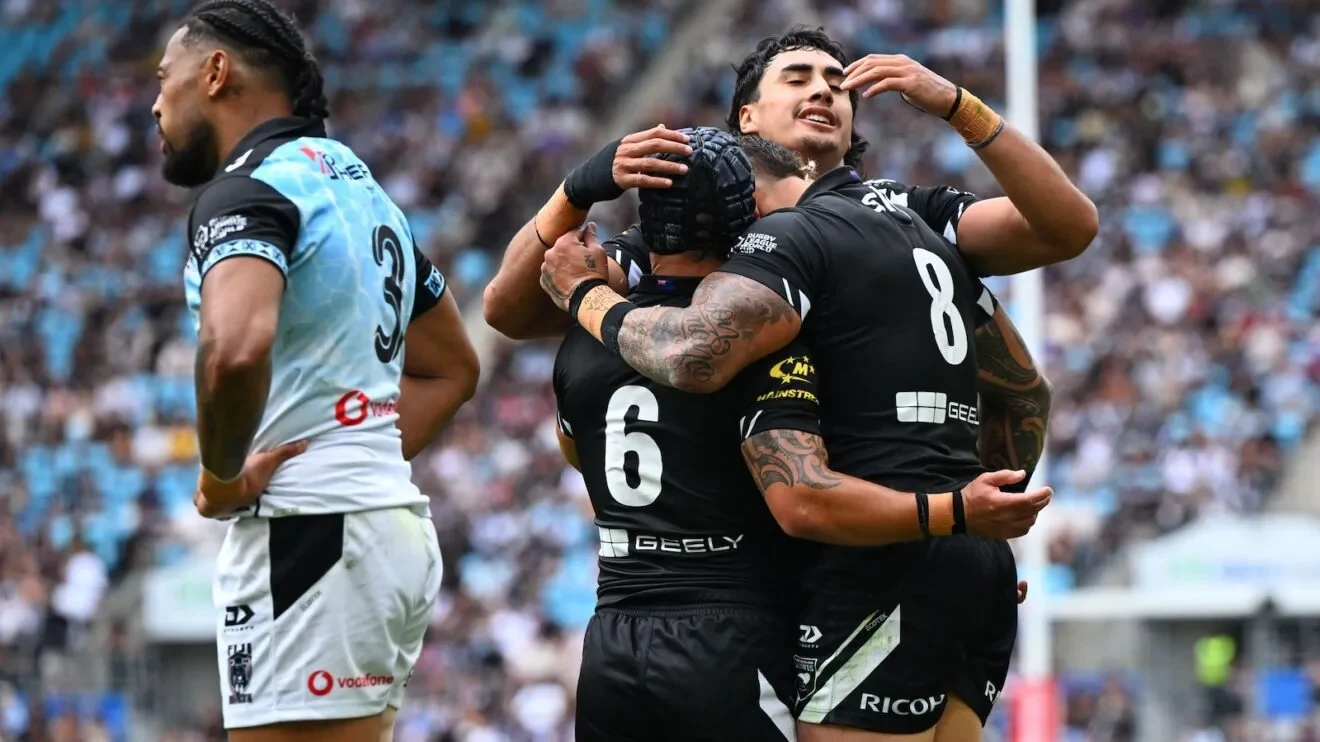
The drought is officially over for the New Zealand Kiwis. After a long, challenging, and emotionally taxing 13-year absence from the game’s ultimate international championship match, New Zealand has fought its way back into the Rugby League World Cup final. Securing their long-awaited spot with a performance defined by pure grit, tactical discipline, and exceptional skill, the Kiwis have reignited the passion of rugby league fans across the globe and set the stage for a truly historic showdown.
The Path to Redemption: Breaking the 13-Year Curse
Ever since their famous and unforgettable tournament victory in 2008, followed by a hard-fought appearance in the 2013 final against Australia at Old Trafford, the New Zealand men's national team has experienced an era of near-misses, heartbreaking semifinal exits, and turbulent rebuilding cycles. For more than a decade, the international rugby league landscape was heavily dominated by other powerhouse nations, leaving loyal Kiwi supporters wondering when their team would finally break through the barrier and claim another shot at world glory.
The turning point of this modern era arrived during a high-stakes, fiercely contested semifinal matchup against a physical and passionate Mate Ma'a Tonga side. Played under brutal and shifting weather conditions that saw heavy rain and howling winds sweep across the pitch at McDonald Jones Stadium in Newcastle, New Zealand displayed the kind of mental fortitude and tactical maturity that championship teams are made of.
A Masterclass in Resilience: Overcoming Tonga in the Wet
The semifinal encounter was a textbook example of tournament football—a true tale of two contrasting halves. Tonga came out of the gates firing on all cylinders, showcasing the raw power, explosive athleticism, and immense cultural pride that has turned them into one of international rugby league's premier forces. The early onslaught tested New Zealand's defensive resolve to its absolute limits.
However, the Kiwis weathered the early storm through calm veteran leadership and structured game management. Playmaker Jahrome Hughes orchestrated the team's attack with masterclass precision, controlling the tempo through a tactical kicking game that consistently pinned the Tongan backline deep in their own territory. Coupled with the crucial impact of returning star fullback Kalyn Ponga—who bounced back fiercely from a severe forearm injury—the spine of the New Zealand team proved too cohesive and composed to break.
As the weather worsened in the second half, turning the turf slick and unpredictable, New Zealand seized the momentum. Capitalizing on opposition errors caused by the greasy ball, the Kiwis executed a clinical surge that allowed them to pull away comfortably, sealing a 34-10 victory. This triumph not only validated months of rigorous preparation under high-performance team guidelines but also booked their long-awaited ticket to the World Cup final.
The Strategic Evolution of Modern Kiwi Rugby League
Getting back to the grand final after more than a decade required a total philosophical shift in how New Zealand rugby league develops talent, manages player welfare, and approaches international windows. In the past, the Kiwis often relied purely on individual brilliance and raw physical power. Today, however, the national setup operates with an advanced analytical approach.
Coaching staff have focused heavily on defensive systems that can withstand sustained pressure from elite opposition for full eighty-minute stretches. Furthermore, the development pathways linking domestic competitions in New Zealand and the Pacific with elite international exposure have yielded a deeper pool of talent. Players are entering the international arena better prepared for the speed, physicality, and mental demands of a World Cup campaign. This structural evolution is the primary reason why New Zealand is not just a one-off finalist, but a sustained threat on the global stage.
Frequently Asked Questions (FAQ)
1. When was the last time New Zealand reached a Rugby League World Cup final?
Prior to this monumental achievement, New Zealand's last appearance in a Rugby League World Cup final was in 2013, when they played against Australia in Manchester, England.
2. Who did New Zealand defeat to secure their spot in the final?
The Kiwis triumphed over a formidable Tonga team with a scoreline of 34-10 in a tough semifinal match played at McDonald Jones Stadium in Newcastle.
3. Which key players drove New Zealand's success during the tournament?
Halfback Jahrome Hughes and dynamic fullback Kalyn Ponga played pivotal roles in steering the team through adverse weather conditions, organizing the defense, and executing the winning game plan.
4. Did the New Zealand women's team also make an impact in international competition?
Yes, the wider national program has experienced immense success, with the Kiwi Ferns continuing to display competitive excellence and dominant performances on the international stage.
Looking Ahead: The Ultimate Test
As the New Zealand squad prepares for the final showdown, the mood across the country is one of fierce pride and cautious optimism. Ending a 13-year drought is a massive milestone, but the team knows that the final task requires an entirely new level of focus. Whether they face old rivals or a rising powerhouse, the 2026 Kiwis have proven that they belong among the immortals of the sport. Win or lose, the red and black flag flies high once more, and New Zealand rugby league has firmly reclaimed its place at the summit of the international game.





Comments
Leave a Comment
Your email address will not be published. Required fields are marked *