
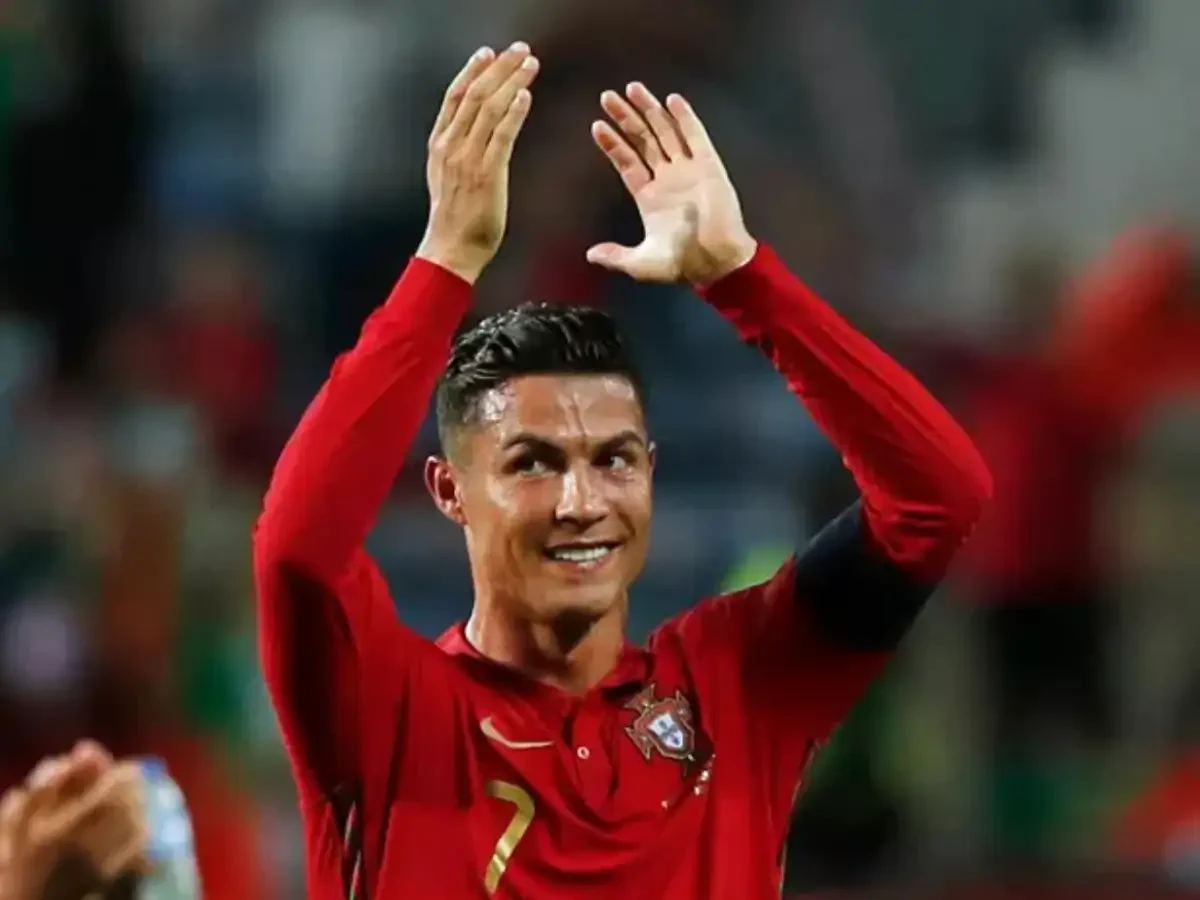
The final whistle has finally blown on international football’s most enduring chapter. At 41 years old, Cristiano Ronaldo has officially announced his retirement from international competition, bringing a definitive close to a green-pitch career with Portugal that spanned over two decades.
For generations of fans, a national team without Ronaldo feels almost impossible to imagine. From his teenage tears at Euro 2004 to lifting the Henri Delaunay Trophy in 2016 and the inaugural UEFA Nations League in 2019, his journey with the Seleção das Quinas redefined what longevity and relentless ambition look like in elite sports.
The Anatomy of an Unmatched Legacy
To understand the magnitude of Ronaldo's international departure, one must look at the sheer weight of his statistical footprint. Across more than 200 international caps, Ronaldo shattered records that many experts considered untouchable:
All-Time Men's International Scorer: Amassing over 130 goals for his country.
Tournament Consistency: Scoring in five separate FIFA World Cups and multiple European Championships.
The Cultural Anchor: Transforming Portugal from an underachieving footballing nation into a perennial powerhouse on the world stage.
Yet, numbers alone fail to capture the cultural phenomenon. Ronaldo wasn't just a striker; he was a physical blueprint of dedication. His daily discipline, relentless training regimens, and unmatched aerial prowess set a standard that influenced a generation of players worldwide.
The Final Years: Navigating Friction and Transition
Every great epic faces complex third acts, and Ronaldo’s final chapters with Portugal were no exception. In recent years, debates surrounding his tactical fit, starting role, and reactions to being substituted sparked intense media scrutiny. Following high-profile squad friction during major tournaments and a changing of the guard under new management, questions regarding his international future constantly loomed.
Rather than letting the debate linger indefinitely, Ronaldo’s announcement brings a sense of closure. It allows the Portuguese Football Federation and incoming manager a clean slate to build a tactical future around younger talents like Gonçalo Ramos, Rafael Leão, and Bernardo Silva.
What’s Next for Portugal and Global Football?
The departure of Ronaldo—echoing the twilight years of his lifelong rival, Lionel Messi—marks the official closing of international football's golden twin-peak era. For Portugal, the challenge is not replacing Ronaldo player-for-player—an impossible task—but rather cultivating a collective tactical identity that no longer relies on a singular talisman.
For global football, an era of hyper-individualized superstars gives way to an era of tactical systems, data-driven development, and fluid front lines. Yet, wherever young players lace up their boots and practice free-kicks in the backyard, the shadow of number seven will remain.
Cristiano Ronaldo’s international retirement is more than just a player hanging up his national jersey—it is the closing of a magnificent twenty-year book in sporting history. As football enters its next chapter, the world pauses to appreciate a career defined by absolute dedication, breathtaking moments, and an unyielding refusal to accept anything less than greatness.
Frequently Asked Questions (FAQ)
Q: Why did Cristiano Ronaldo retire from international football?
A: At age 41, following a historic 23-year international career, Ronaldo decided it was time to step aside, allowing the national team to transition smoothly into its next generation of talent.
Q: How many international goals did Cristiano Ronaldo score?
A: Cristiano Ronaldo holds the all-time men's record, having scored well over 130 official goals for the senior Portuguese national team.
Q: Will Ronaldo continue playing club football?
A: Yes, Ronaldo’s international retirement is strictly limited to national team duties; he continues his professional club career.


Comments
Leave a Comment
Your email address will not be published. Required fields are marked *