
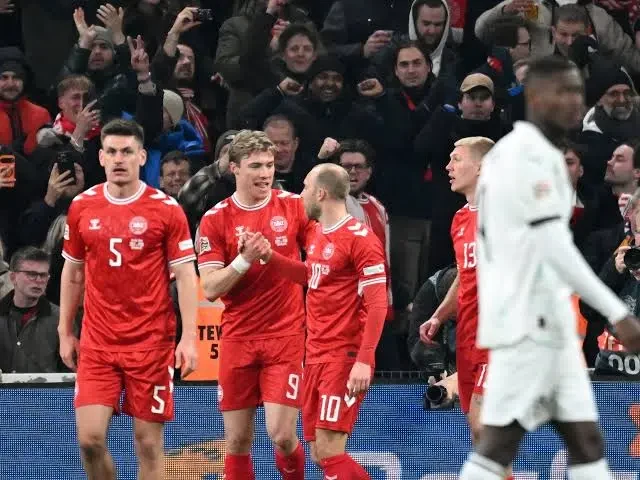
The European football landscape was sent into a state of absolute shock following a breathtaking UEFA Nations League encounter that completely redefined expectations. Traveling to the Estádio Municipal de Braga, few pundits or supporters anticipated the sheer scale of dominance that unfolded on the pitch. When the final whistle blew, sealing a resounding 4-1 victory for Denmark against Portugal, it sent massive shockwaves through international football communities. This stunning upset did more than just alter group standings; it signaled a dramatic turning point for a Portuguese side stepping into a new era and showcased a masterclass in tactical execution by the Danish squad.
Emotion and Expectation in Braga
The atmosphere in Braga was charged long before kickoff. The fixture arrived on the heels of major transitional moments, most notably framed by emotional pre-match tributes honoring Cristiano Ronaldo following his landmark international retirement. With every home player stepping onto the pitch wearing a special No. 7 shirt, the emotional weight of a changing guard hung heavily over the stadium.
Portugal entered the match boasting a flawless record in their group phase under manager Jorge Jesus, having brushed aside prior opponents with clinical efficiency. Conversely, Denmark arrived with everything to play for, needing a statement performance to solidify their quarterfinal ambitions. What followed, however, far exceeded any pre-game projections, turning what was expected to be a tightly contested tactical chess match into a stunning exhibition of counter-attacking brilliance and defensive resilience.
The build-up to this fixture had dominated sports journalism for weeks. Pundits debated whether Portugal's younger generation could seamlessly step into the boots of legends, while Danish media emphasized the need for a fearless, aggressive approach on foreign soil. As the teams walked out under the crisp evening floodlights, the palpable tension in the stadium hinted that history was waiting to be written.
The Turning Point
The opening half hour suggested a competitive, tense affair as both midfields fought for supremacy. Yet, Denmark's disciplined shape effectively stifled Portugal’s creative outlets, keeping the hosts' attacking stars largely quiet. The game's pivotal rupture occurred late in the first half when a penalty was awarded following a handball inside the box.
Stepping up with unwavering composure, Pierre-Emile Højbjerg rifled home from the spot in the 43rd minute, sending the visitors into the interval with a psychological advantage. While Portugal had enjoyed spells of possession, they lacked the incisive cutting edge required to break down a resolute Danish rearguard. That single goal before halftime cracked open the tactical floodgates, paving the way for an extraordinary second-half onslaught.
During the interval, manager adjustments were clear, but it was the tactical discipline of the visiting team that completely neutralized the hosts' tactical alterations. Portugal attempted to push their full-backs higher up the pitch to widen the pitch, but this only created vast spaces behind the midfield line—spaces that Denmark's creative playmakers were more than eager to exploit.
Rasmus Højlund’s Masterclass and the Second-Half Rout
If the first half laid the groundwork, the second half belonged entirely to Rasmus Højlund. Delivering one of the finest performances of his international career, the Danish striker tore through Portugal’s defensive structure with relentless speed and precision.
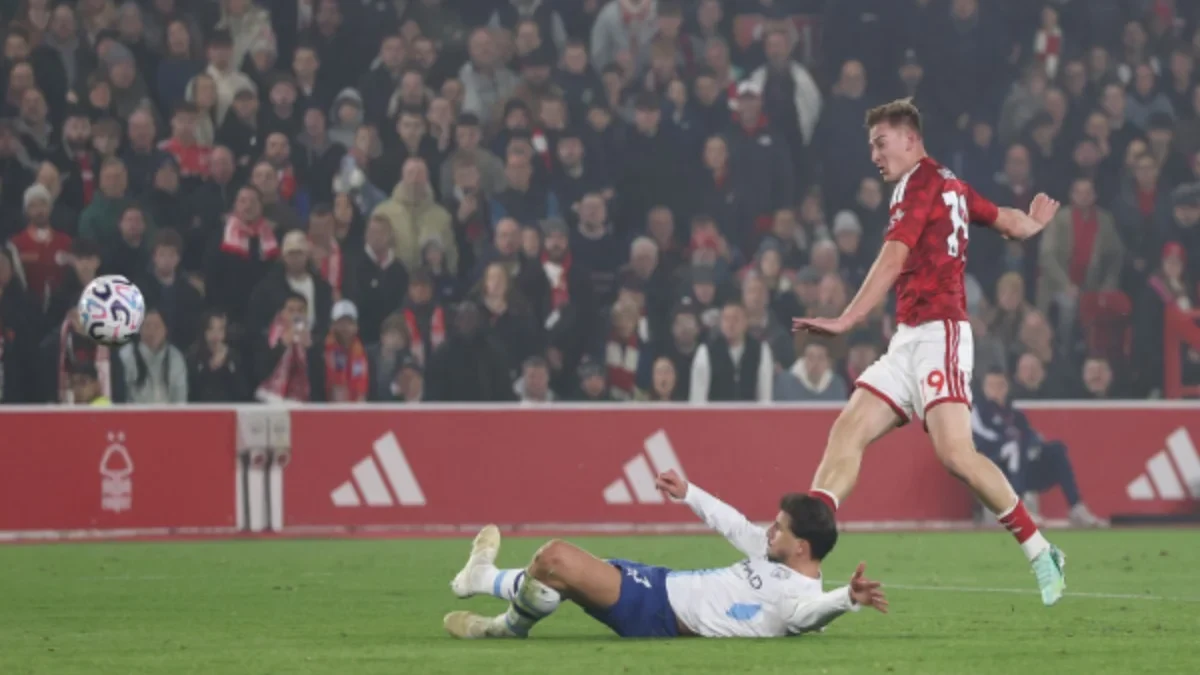
Just five minutes after the restart, Mikkel Damsgaard delivered a sublime cross into the area, allowing Højlund to unleash an unstoppable left-footed volley that doubled Denmark’s lead. Shell-shocked, the Portuguese backline struggled to regroup. In the 58th minute, Højlund struck again; turning sharply past Rúben Dias on the edge of the box, he drilled a fierce, powerful shot into the far corner—a goal reminiscent of iconic strikes that left the Braga crowd utterly stunned.
The rout deepened in the 76th minute when defender Joachim Andersen rose majestically to meet a cross, powering a towering header past a static home defense to make it 4-0. Although Bernardo Silva managed a late consolation goal in stoppage time, it did little to mask the glaring vulnerabilities exposed across the pitch.
Højlund’s movement off the ball was a masterclass in modern centre-forward play. He continually dragged defenders out of position, opened up channels for his wingers, and finished his opportunities with clinical ruthlessness. The Portuguese central defenders found themselves completely outpaced and outmuscled, leading to uncharacteristic errors in distribution that fueled the relentless Danish wave of attacks.
Repercussions and What Lies Ahead
This 4-1 defeat stands as one of the heaviest home losses in Portugal's competitive history, shattering the aura of invincibility they had built throughout the campaign. For Jorge Jesus, it marks a sobering first defeat at the helm, forcing an urgent tactical reassessment regarding defensive shape, midfield transition, and squad depth during a delicate transitional phase.
For Denmark, the victory serves as an incredible morale booster. It proves that on any given night, tactical discipline, high-efficiency finishing, and collective hunger can dismantle even the most star-studded opponents. As both teams look toward their upcoming fixtures—with Portugal traveling to face Wales and Denmark hosting Norway—this unforgettable night in Braga will be remembered as the moment the competitive balance of the group was dramatically upended.
Furthermore, analysts across Europe have begun to re-evaluate the tactical blueprints required to break down modern possession-based powerhouses. Denmark's blueprint—compact low-to-medium blocks coupled with lightning-fast vertical transitions—may well become the template for underdog teams in upcoming international tournaments.
Frequently Asked Questions (FAQ)
What was the final score of the match between Portugal and Denmark?
Denmark secured a dominant 4-1 victory over Portugal in their UEFA Nations League encounter held at the Estádio Municipal de Braga.
Who were the goal scorers for Denmark in this fixture?
Pierre-Emile Højbjerg opened the scoring from the penalty spot, Rasmus Højlund scored a brilliant second-half brace, and Joachim Andersen added a fourth with a towering header. Bernardo Silva scored a late consolation goal for Portugal.
Why was this match considered a historic upset?
The match marked Portugal's heaviest home defeat in a competitive fixture in recent history and ended their flawless run in the group stage, stunning fans worldwide who expected a comfortable home victory.



Comments
Leave a Comment
Your email address will not be published. Required fields are marked *