
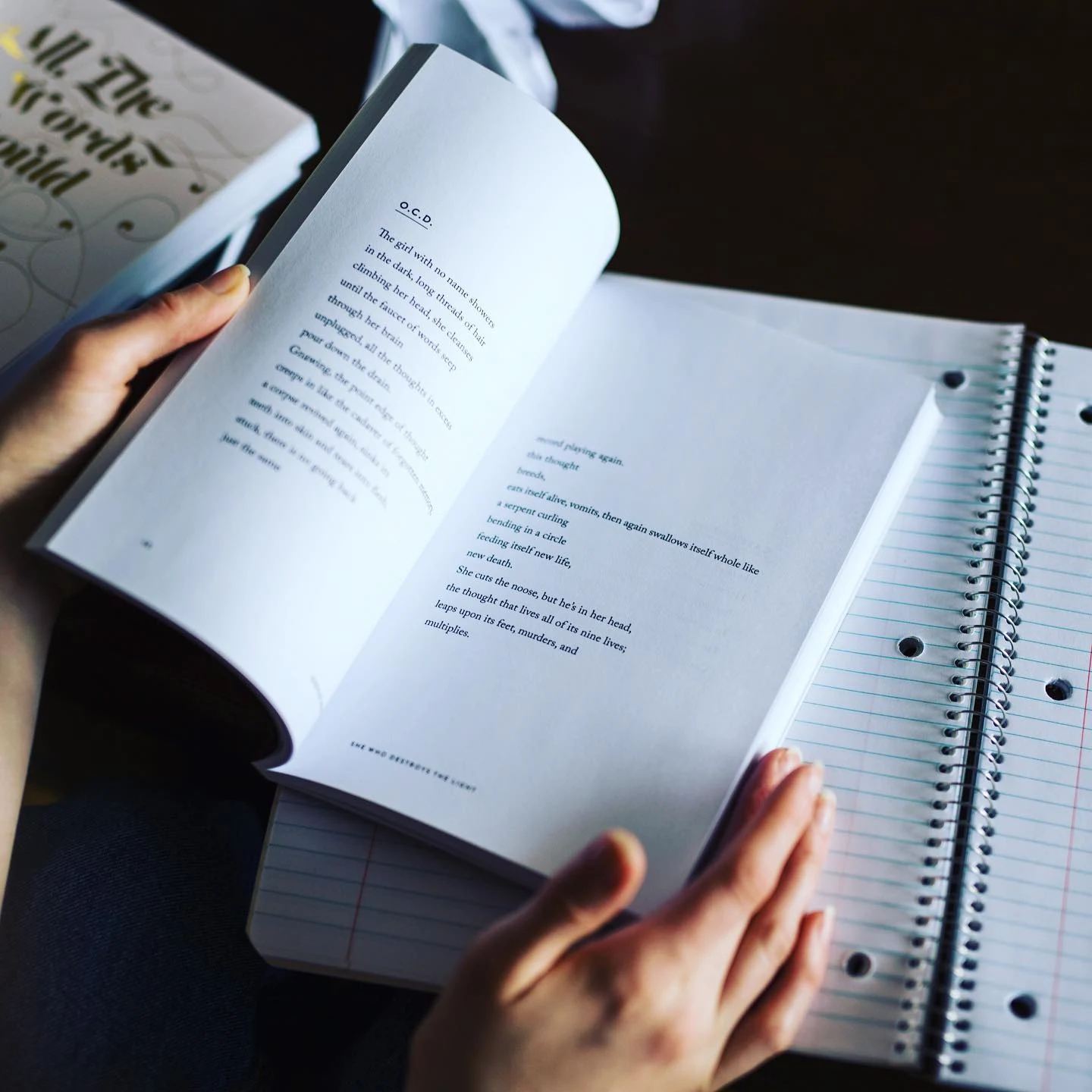
Poetry often rewards a slower kind of reading. A first encounter can establish mood and voice, while later readings reveal how line breaks, sound, images, and structure shape meaning. The aim is not to discover one hidden answer but to notice what the poem makes possible.
Begin with the speaking voice
Ask who appears to be speaking, what situation the poem creates, and whether the voice changes. The speaker is not automatically the poet. Read the poem aloud when appropriate and listen for pauses, repeated sounds, emphasis, and moments where the sentence moves across a line break.
Notice form and pattern
Look at stanza shape, rhythm, rhyme, punctuation, repetition, and white space. Classical Poetry offers useful context for established traditions, but free verse also creates structure through deliberate choices. Describe the pattern before deciding what effect it has.
Keep questions open
Mark images or phrases that resist immediate explanation and compare them with the rest of the poem. Record more than one possible reading when the language supports it. Careful interpretation uses evidence from the text while accepting that ambiguity can be part of the poem’s design.




Comments
Leave a Comment
Your email address will not be published. Required fields are marked *