

Turn ordinary details into useful writing material with a repeatable observation, note-taking, drafting, and revision practice.
Start with what is actually in front of you
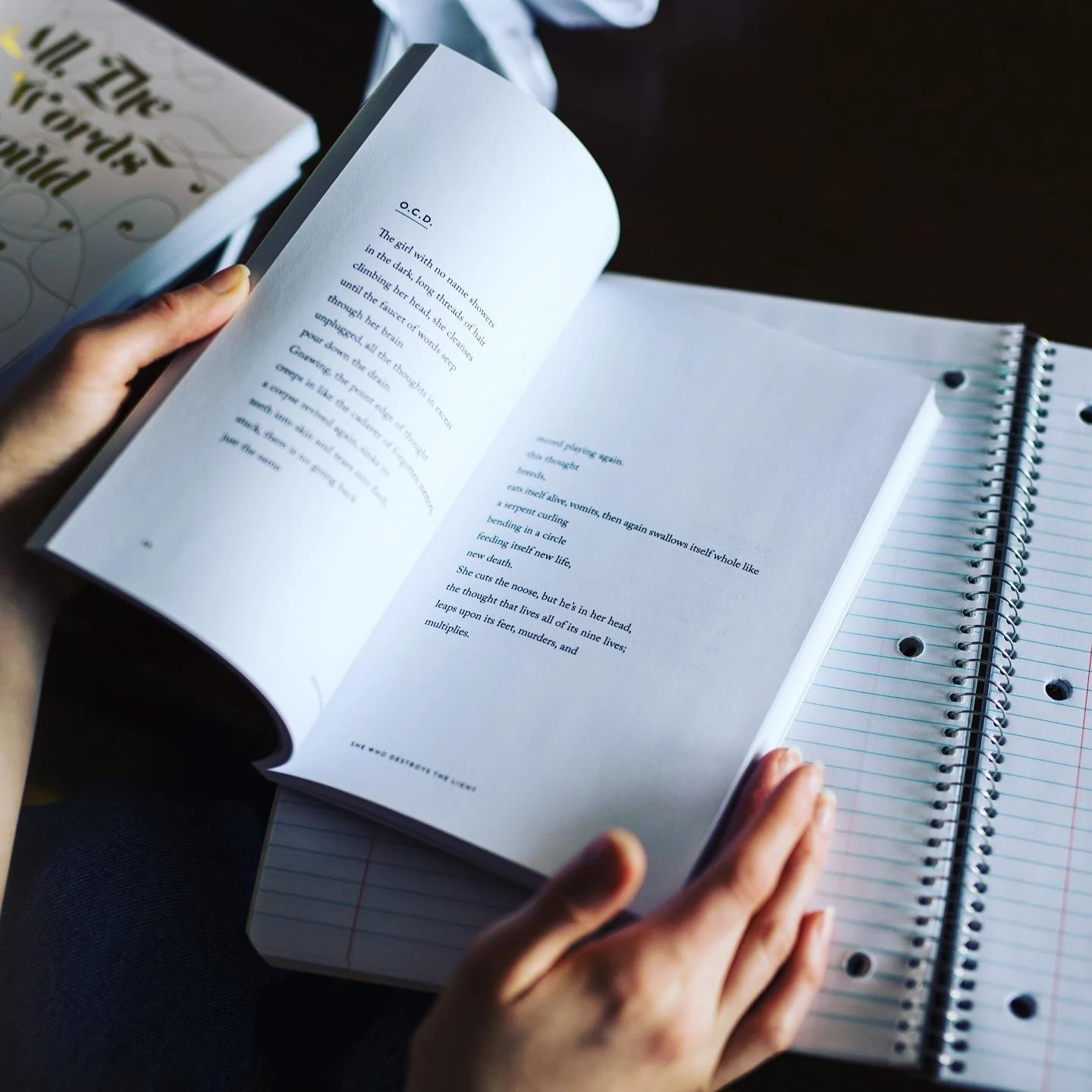
Poetry often begins before a line is written. A sound through an open window, a change in light, a brief conversation, or an object carried every day can become material when it is observed closely. The aim is not to force significance onto every detail, but to notice accurately enough that language has something solid to work with.
Keep an observation notebook
Use a small notebook or a simple notes file to record sensory details without trying to turn each entry into a finished poem. Write down precise colors, textures, movements, fragments of speech, and questions. Separating collection from composition makes it easier to remain curious instead of judging every sentence while it is being made.
Choose one detail and apply pressure
When an entry continues to hold your attention, ask what makes it memorable. Describe it from more than one angle, compare it with something unexpected, and test whether it carries an emotion or tension. A poem can stay focused on a modest image if each line reveals a fresh relationship to it.
Draft for discovery
A first draft does not need to explain its subject. Follow the strongest image, sound, or question and allow the form to emerge. Try short and long lines, change the point of view, or move the central image to a different position. These experiments help distinguish the poem you intended to write from the one the material is asking for.
Revise with the reader in mind
After a pause, read the poem aloud. Remove general statements that repeat what an image already shows, strengthen vague verbs, and listen for places where the rhythm stalls. Keep the details that create a clear experience and cut decoration that does not deepen meaning. A small, regular practice is more useful than waiting for perfect inspiration.
A practical next step
Use these ideas as a starting framework, then verify the details that depend on location, access, products, weather, regulations, or personal circumstances. A useful plan stays specific to the real setting and changes when better information becomes available.




Comments
Leave a Comment
Your email address will not be published. Required fields are marked *