
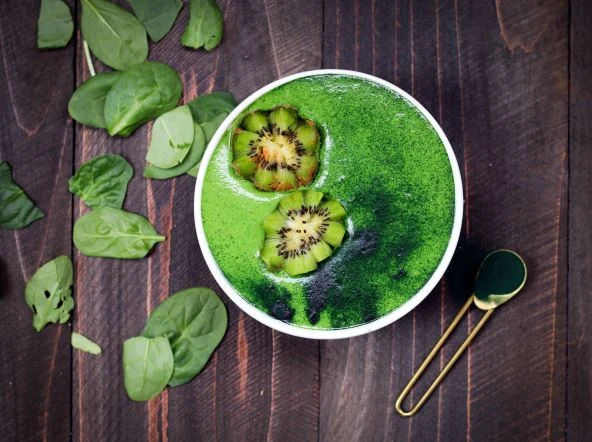
Healthy eating is best viewed as an overall pattern rather than a list of miracle foods. A varied diet can provide the energy and nutrients the body needs while helping reduce the risk of diet-related health problems.
Eat a variety of vegetables and fruit
Vegetables and fruits provide fibre, vitamins, minerals and many other naturally occurring compounds. Choosing different types and colours helps provide a wider range of nutrients.
Vegetables do not contain HDL cholesterol, and eating them does not guarantee a particular body shape or make someone “disease-free.” Their value comes from their contribution to an overall balanced diet.
Choose water regularly
Water is an important source of hydration. Individual fluid needs vary with factors such as climate, activity and health.
Whole fruit and fruit juice are not nutritionally identical. Juice can contain substantial amounts of free sugars and generally provides less fibre than whole fruit, so it should not automatically be treated as equivalent to water or whole fruit.
Limit highly processed choices
A healthy dietary pattern generally emphasises minimally processed foods while limiting foods high in free sugars, sodium and unhealthy fats. This does not require labelling every packaged food as harmful; nutritional value depends on the product and the overall diet.
Tea and detox claims
Unsweetened tea can fit into a balanced diet, but green or herbal tea should not be described as removing toxins from the body or as the reason a particular population is thin. Body weight and health are influenced by many biological, dietary, social and lifestyle factors.
Build sustainable habits
Healthy eating does not require extreme restrictions. Regularly choosing a variety of nutritious foods, drinking appropriate fluids and keeping highly sugary or salty foods in moderation is a more sustainable approach than relying on detox products or supposed miracle ingredients.






Comments
Leave a Comment
Your email address will not be published. Required fields are marked *