
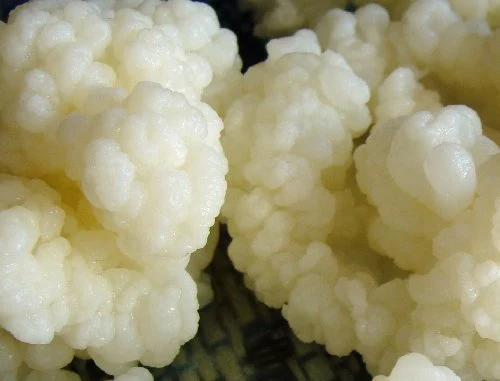
Types of Kefir. Kefir is a bacterial beverage obtain from milk water that has been fermented. The sour flavour comes from bacteria and yeast that utilise sugars as a source of energy.
The bacteria ferment the milk, producing a variety of compounds such as vitamins, acetate, and lactate. Short-chain-fatty-acids-gut-bacteria
What is the difference between lactate and acetate?
Because minor levels of carbon dioxide and alcohol during fermentation, kefir can be a little bubbly.
Kefir Milk
Kefir is a bacterial milk beverage with many health advantages. Where families fermented milk in goatskin pouches hung on their dwellings’ outside walls. It’s creamy and unctuous, like a thin yoghurt, and it’s been popular in Eastern Europe and Central Asia for generations, where people have traditionally associated it with good health.
Goat’s milk kefir, also known as goat kefir, is a popular alternative for people who are allergic to cow’s milk, although it’s more difficult to come by in the store.
Kefir Water
Water kefir is dairy-free kefir that is best for lactose intolerant individuals or those who follow a dairy-free diet such as veganism or paleo. on the other hand, they have a different bacterial profile than milk kefir grains, thus you can’t start a water kefir culture with milk kefir grains.
Kefir Grains
The bacteria that generate kefir produce kefir grains. They are available in a range of sizes, ranging from 0.3 cm to 3.5 cm in diameter. They have a distinct texture, similar to firm jelly or gelatin, and contain lactic acid bacteria and bacteria that create acetic acid.
It serves as a home for these beneficial bacteria and yeasts, therefore they may potentially prove as probiotics. There are no known health advantages to consuming kefir grains. Rather, the health benefits of kefir come from drinking it. 2019-10-09-Polyphenols-and-health-2 The truth about polyphenols and the gut microbiota Although some individuals add kefir grains to their smoothies, they are normally maintained to produce more kefir, and if there are too many, they are simply tossed or composted.



Comments
Leave a Comment
Your email address will not be published. Required fields are marked *