
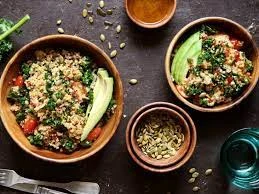
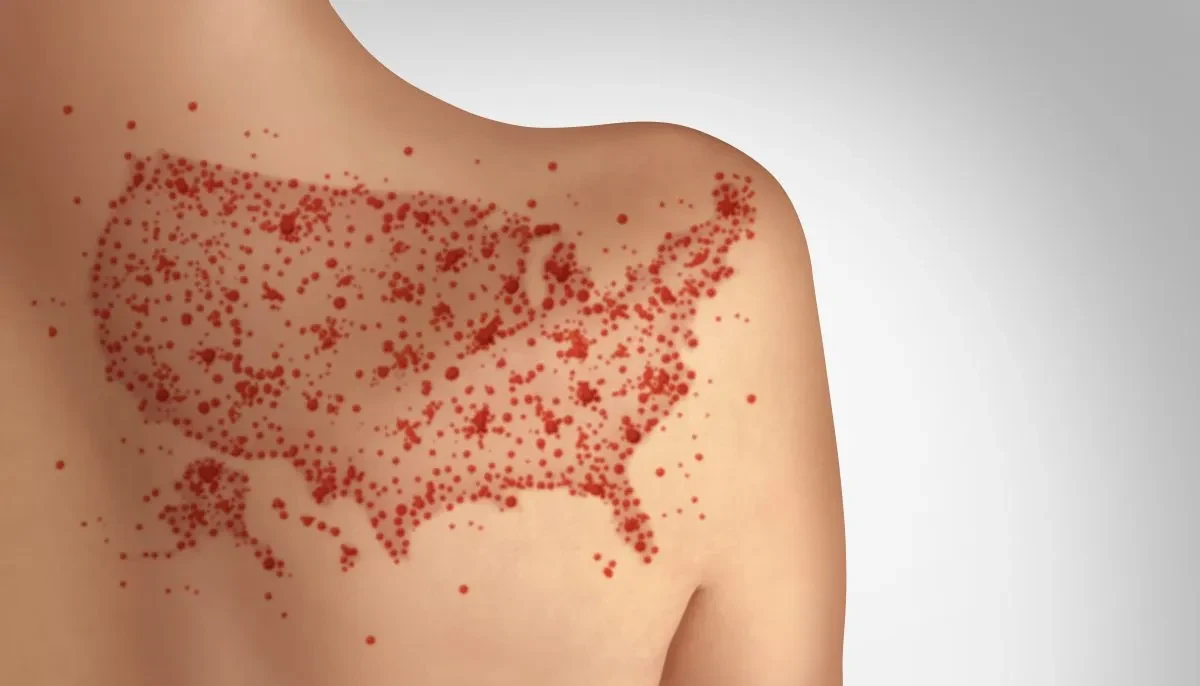
Hormonal changes can contribute to acne by affecting oil production and other processes in the skin. Diet may also influence acne in some people, but individual foods should not be presented as a cure.
Diet and Acne
Research has examined dietary patterns and acne, including high-glycemic foods and dairy products. Some studies suggest associations, but the evidence does not support promising that a particular food will eliminate hormonal acne.
Balanced Eating
A varied diet containing vegetables, fruit, whole grains, protein sources and appropriate fats supports general nutrition. There is no need to follow an extreme diet solely because of acne unless a qualified professional identifies another reason.
Probiotics and Supplements
Probiotic foods can be part of a normal diet, but they should not be described as removing excess hormones or toxins from the body. Evidence for probiotic supplements as an acne treatment remains limited.
Skin Care Still Matters
Gentle cleansing and appropriate acne treatments may be more useful than repeatedly changing foods. Avoid aggressive scrubbing or squeezing lesions, which can irritate skin.
When to Seek Treatment
Persistent, painful or scarring acne may need assessment by a dermatologist or other qualified healthcare professional. Effective treatments depend on the type and severity of acne and individual circumstances.





Comments
Leave a Comment
Your email address will not be published. Required fields are marked *