
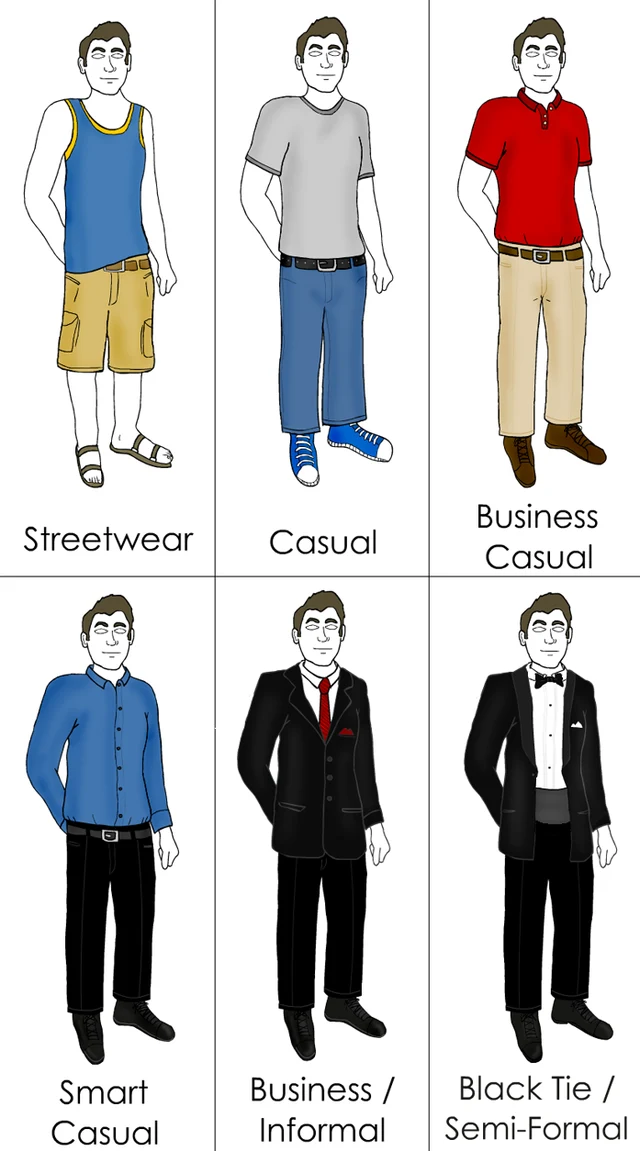
Breaking the Traditional Barriers
Dress codes have shaped our social interactions and professional environments for generations. Modern workplaces are shifting away from rigid formal attire toward more flexible and comfortable options. Tech giants like Google and Facebook pioneered this revolutionary change by embracing casual dress codes.
The Professional Edge
Your appearance speaks volumes before you utter a single word in professional settings. A well-planned dress code helps create a productive atmosphere and maintains professional standards. Companies implement dress codes to project a unified image and boost employee confidence in client interactions.
Cultural Sensitivity Matters
Modern dress codes must respect diverse cultural backgrounds and religious beliefs while maintaining professional standards. Progressive organizations now accommodate traditional clothing and religious attire within their dress code policies. This inclusivity fosters a more welcoming workplace and celebrates cultural diversity.
The School Uniform Debate
Schools continue to grapple with dress code policies that balance individual expression and educational focus. Uniforms can reduce socioeconomic barriers and minimize distractions in the learning environment. However, critics argue that strict dress codes may limit students‘ creativity and self-expression.
Smart Casual: The New Normal
The pandemic transformed workplace attire expectations, making smart casual the preferred choice across industries. Employees now mix professional pieces with comfortable clothing to create polished yet relaxed looks. This balance helps maintain professionalism while acknowledging the importance of comfort.
Gender-Neutral Approach
Forward-thinking organizations are adopting gender-neutral dress codes to promote equality and inclusion. These policies focus on professionalism rather than gender-specific clothing requirements. Such changes reflect growing awareness of gender identity and expression in the workplace.
Environmental Impact
Sustainable dress codes are gaining traction as environmental consciousness grows. Companies encourage employees to choose eco-friendly fabrics and sustainable fashion options. This approach aligns professional appearance with environmental responsibility.
Looking Ahead
The future of dress codes lies in flexibility, inclusivity, and sustainability. Organizations must adapt their policies to reflect changing social norms and workplace dynamics. A well-crafted dress code should empower individuals while maintaining professional standards.
Finding the Balance
Successful dress codes strike a balance between personal comfort and professional presentation. They should guide rather than restrict, allowing individual expression within reasonable boundaries. This approach creates a positive atmosphere where everyone feels respected and comfortable.

Comments
Leave a Comment
Your email address will not be published. Required fields are marked *