
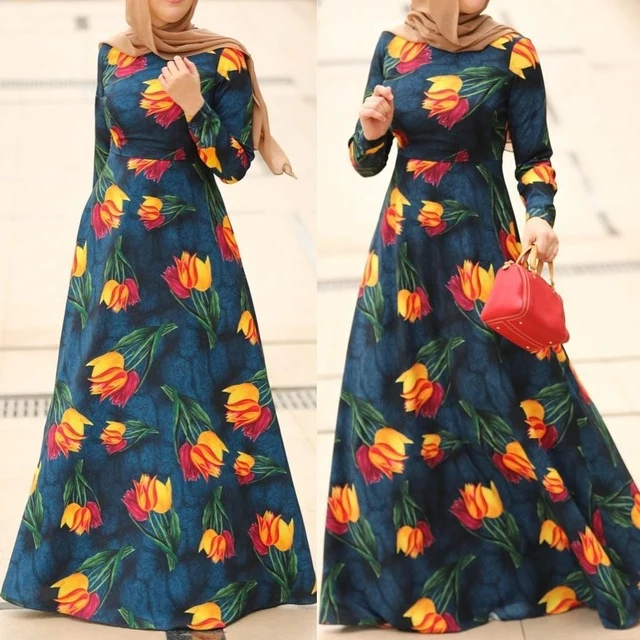
Colors and prints can completely change the character of an outfit. There are no universal rules that everyone must follow, but a few practical principles can make different pieces easier to combine.
Balancing Prints
When one garment has a detailed print, pairing it with a simpler or solid-colored piece can keep the overall look balanced. Mixing prints can also work, particularly when the patterns share a color or differ clearly in scale.
Using Neutral Colors
Neutral shades such as white, cream, beige, grey, brown and black can provide a base for brighter colors or patterned fabrics. A neutral trouser, skirt or outer layer can make a colorful shirt or scarf the visual focus.
Seasonal Color Ideas
Light blues, whites and other fresh shades are often associated with warmer weather, while navy, burgundy, brown and deeper greens are popular in cooler seasons. These are traditions rather than requirements; climate, occasion and personal preference matter more than a fixed seasonal rule.
Understanding Ombre
Ombre describes a gradual transition between shades, often from light to dark. Because the effect already creates visual movement, an ombre garment can be paired with simpler accessories or complementary colors.
Personal Style Comes First
Instead of treating color combinations as strict rules, consider proportion, contrast and the setting in which the clothes will be worn. Trying garments together in natural light is often more useful than following a rigid formula. The best combination is ultimately one that suits the wearer and the occasion.








Comments
Leave a Comment
Your email address will not be published. Required fields are marked *