
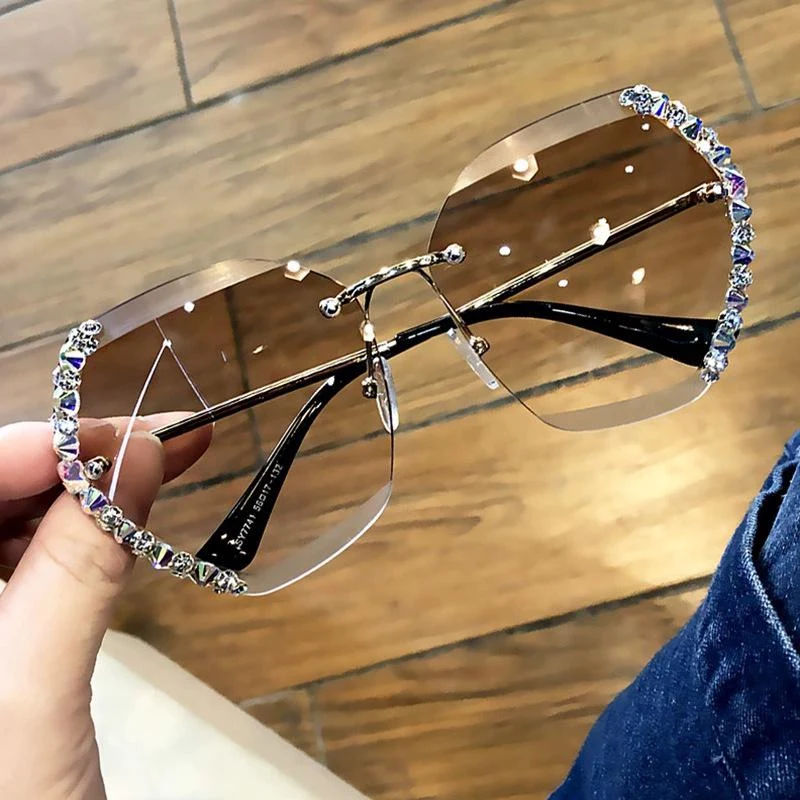
Sunglasses work best when they combine practical protection, comfortable fit, and a style you genuinely enjoy wearing. An attractive frame that pinches, slips, or distorts vision is unlikely to become an everyday favourite. A purely practical pair may also stay in its case if it does not feel like part of your wardrobe. The right choice balances all of these considerations.
Start With Reliable Lens Information
Do not judge a lens only by how dark it looks. Read the product information and choose eyewear from a seller that clearly explains the lens specification and intended use. If a label is missing or unclear, ask for confirmation rather than relying on appearance or price alone.
Lens colour can change visual comfort and the way colours appear, but it should not replace a clear protection specification. Polarised lenses can reduce glare in certain settings, particularly around reflective surfaces, yet polarisation and ultraviolet protection describe different features. Think about where you will wear the glasses most often before paying for an additional feature.
Check the Fit From Several Angles
A good frame should sit securely without pressing painfully behind the ears or on the bridge of the nose. Look down and move your head gently. The glasses should not slide easily, but they should not need excessive pressure to stay in place. The temples should open comfortably without bowing outward.
Check whether your eyelashes touch the lenses and whether the lower frame rests on your cheeks when you smile. Small contact points can become irritating during longer wear. Adjustable nose pads may help some frames, while moulded bridges can feel simpler and more stable for others.
Consider Coverage and Daily Use
Frame size is partly a style decision, but coverage also affects comfort. Larger or wraparound shapes may reduce light entering from the sides. Smaller fashion frames can suit shorter outings but may feel less practical in very bright conditions. Consider driving, walking, travel, sport, and casual use as separate situations rather than expecting one pair to perform every role.
If you need prescription lenses, confirm that the chosen frame and lens shape are suitable before purchase. Very curved or unusually large frames may require specific advice from an optical professional.
Use Face Shape as Inspiration, Not a Rule
Style guides often match frame shapes to face shapes, but these suggestions are not fixed rules. Contrast can create a strong look, while repeating natural lines can create harmony. More important factors include frame scale, eyebrow position, bridge fit, and how the colour works with clothing you already wear.
- Try the frame in natural light when possible.
- View it from the front and side.
- Check that the frame does not hide your expression.
- Choose decorative details that suit your actual wardrobe.
- Take a quick photo to compare options calmly.
Inspect Quality and Care Needs
Open and close the temples to check that the hinges move evenly. Look for rough edges, loose decorations, uneven lenses, or a frame that twists on a flat surface. Decorative rimless styles can look striking, but exposed edges and embellishments may need more careful handling.
Store sunglasses in a protective case and clean them with a suitable soft cloth. Avoid placing lenses face down or wiping them with abrasive material. Thoughtful care helps preserve clarity and keeps delicate frame details secure.
Make the Final Choice Practical
Before buying, ask whether the pair is comfortable, clearly specified, suitable for its intended setting, and easy to maintain. Style should be part of the decision, not the only decision. The best sunglasses are the ones that support clear, comfortable wear and feel natural enough to reach for again and again.






Comments
Leave a Comment
Your email address will not be published. Required fields are marked *