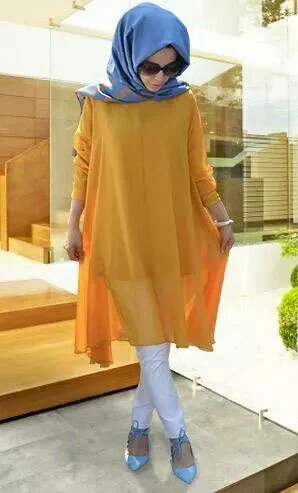

A headscarf can express faith, culture, identity, personal style, or a combination of these. For everyday wear, the most useful choice is one that respects the wearer’s preferred coverage and feels comfortable during the activities, climate, and length of day involved.
Start with fabric behaviour
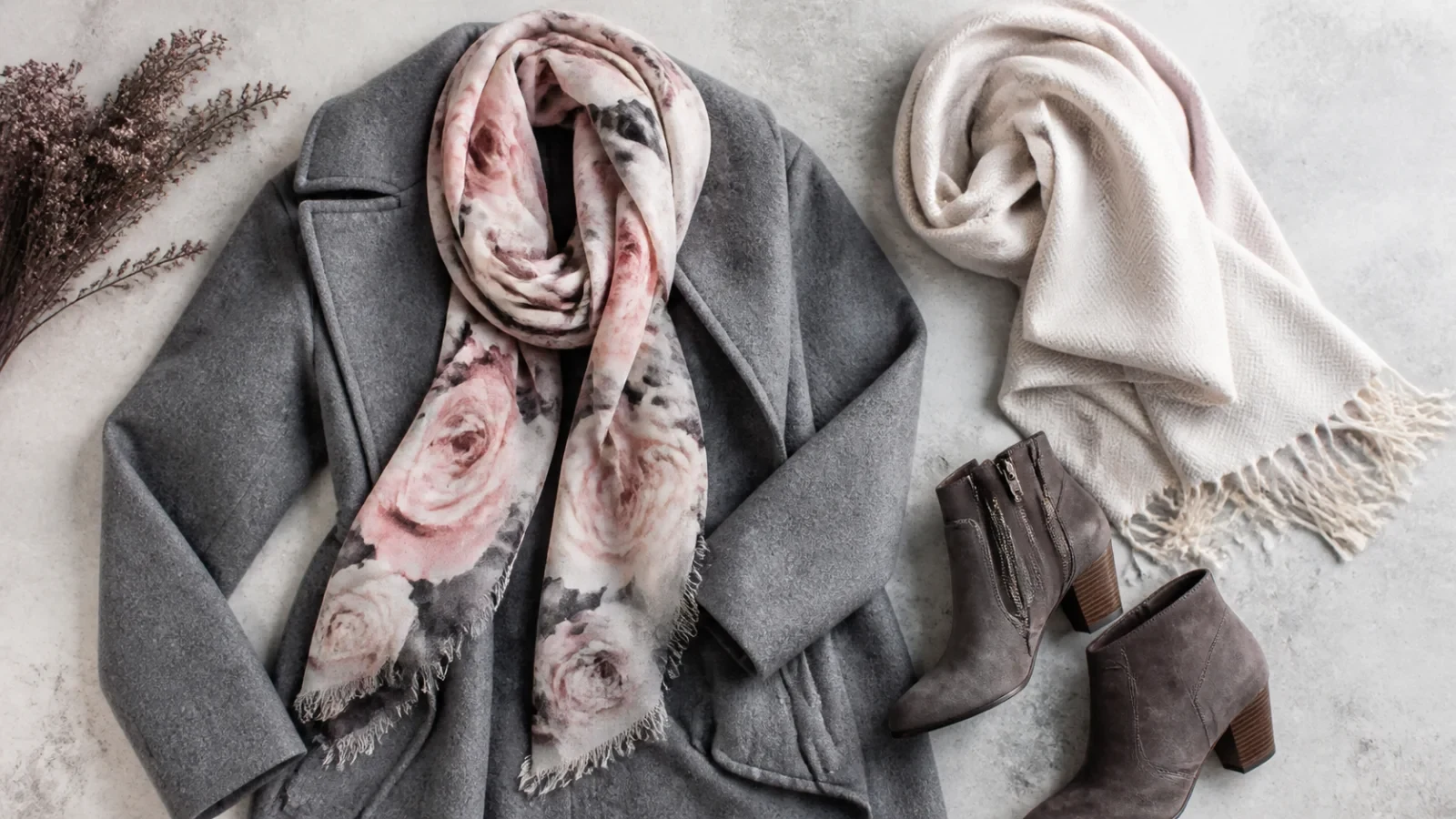
Notice whether a fabric feels breathable, slippery, structured, soft, heavy, or easy to layer. The same material may behave differently depending on weave and finish. Try movement and different lighting before relying on appearance alone, and follow the care information supplied with the fabric.
Choose a practical size and finish
Consider the wrapping style, coverage, pins or magnets, and whether the edges stay secure without uncomfortable tension. Accessories should be used in a way that avoids snagging or pressure. A simple finish can be more adaptable than a highly decorative piece for a long or active day.
Build colour around real use
Begin with shades that work with clothes you already wear, then add colour or pattern according to personal taste. There is no universal correct palette. Comfort, dignity, and individual preference matter more than a short-lived trend or an externally imposed rule about appearance.