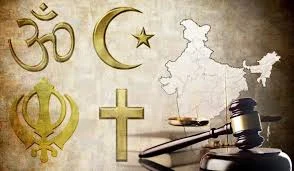
A religious legal system bases its laws on sacred religious texts and principles. These laws govern various aspects of life, blending spiritual guidance with legal norms. Understanding these systems highlights the intersection of law, culture, and religion worldwide.
What Is a Religious Legal System?
A religious legal system gets its authority from the teachings of various religions. It uses the moral and ethical guidelines provided by major faiths to shape how individuals and communities behave. Unlike secular laws, these systems often treat divine commands as legal requirements. They play a crucial role in guiding the actions of followers in their everyday lives and within their communities.
Examples
- Islamic Law (Sharia): Sharia is based on the Quran, Sunnah, and Hadith and governs criminal, civil, and family law in many Muslim-majority countries like Saudi Arabia and Iran.
- Jewish Law (Halakha): Halakha interprets the Torah and Talmud and primarily applies to personal and religious matters in Israel and Jewish communities worldwide.
- Christian Canon Law: This governs church doctrine and internal church matters for Roman Catholic and Orthodox Christian communities.
- Hindu Law: Influences personal laws related to marriage, inheritance, and family matters in India.
- Bahá’í Laws: Based on the teachings of the Bahá’í Faith, these laws emphasize individual conscience and social harmony.
How Religious Law Works
In many countries, rthis legal systems often run alongside secular laws. They usually handle personal matters such as marriage, divorce, and inheritance. In theocratic nations like Iran, religious law is the backbone of the entire legal framework. Religious courts interpret sacred texts to settle disputes and uphold community standards.
Advantages
One of the key benefits of this law is that it strengthens community ties by aligning legal principles with shared spiritual beliefs. It offers a moral compass that guides individual actions and promotes social justice. These systems often lay out clear guidelines for ethical behavior, which helps foster a sense of unity within the community.
Challenges
However, religious laws can sometimes find it tough to keep pace with modern realities and universal human rights. They may clash with secular laws, particularly regarding issues like gender equality and the rights of less people. Striking a balance between traditional religious practices and contemporary values is an ongoing challenge.
The Role of Religious Law
Today it still plays a significant role in many parts of the world. They cater to millions of followers, providing a sense of identity and structure. In countries with diverse legal frameworks, religious laws are often integrated with civil laws to honor the variety of communities present.
Conclusion
This legal systems connect divine principles with legal practices, influencing both personal behavior and societal norms. Understanding their distinct role allows us to appreciate the cultural and ethical aspects of law on a global scale. These systems highlight the intricate relationship between law, faith, and society in profound ways.