
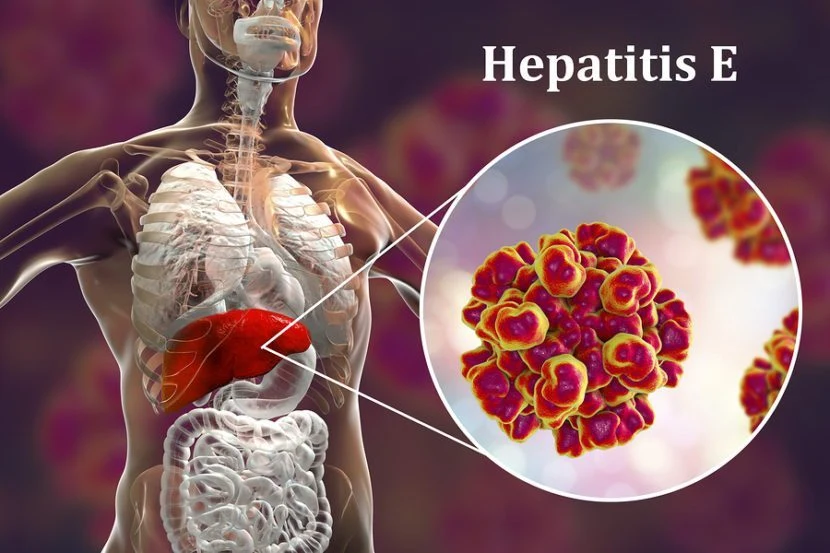
Hepatitis E is inflammation of the liver caused by the hepatitis E virus. It is found worldwide and is commonly transmitted through the faecal-oral route, particularly through contaminated drinking water.
Symptoms
The World Health Organization lists mild fever, reduced appetite, nausea, vomiting, abdominal pain, itching, jaundice, dark urine and pale stools among possible symptoms. Some infections cause few or no symptoms, and clinical symptoms alone cannot distinguish hepatitis E from other forms of hepatitis.
Who may face greater risk
Most infections resolve within several weeks, but acute liver failure can occur. Pregnant people, particularly later in pregnancy, face a higher risk of severe disease. Chronic infection is rare and is mainly reported in people with suppressed immune systems, including some transplant recipients.
Diagnosis and care
Diagnosis generally requires blood testing and, in some circumstances, viral RNA testing. There is no specific antiviral treatment that changes the course of typical acute infection. People with severe illness and symptomatic pregnant patients may require hospital care.
Prevention
Safe water, sanitation, hand hygiene and avoiding water or ice of uncertain purity reduce risk. In places where zoonotic strains occur, thoroughly cooking meat also matters. Vaccine availability is limited and varies by country, so travellers should follow current destination-specific health guidance.