
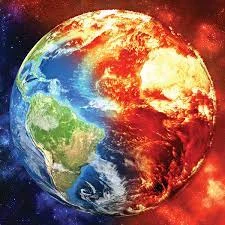
Difference between global warming and climate change. The Earth’s climate has changed several times over its history, with events ranging from ice ages to long periods of warmth. Natural variables like volcanic eruptions, the quantity of energy released by the Sun, and variations in the Earth’s orbit have all influenced the Earth’s climate in the past. Human activities linked with the Industrial Revolution, which began in the late eighteenth century, have also had an impact on the Earth’s climate.
Changes in the Climate
The terms climate change and global warming are frequently used interchangeably. Climate change is described as major changes in the Earth’s climate. This includes precipitation, temperature, or wind, that endure for a long time, such as decades or more.
Climate change could be caused by
Natural influences, such as modest changes in the Earth’s orbit around the sun or variations in the intensity of the sun;
Changes in ocean circulation, for example, are natural processes within the climate system.
Human activities that alter the composition of the Earth’s atmosphere, such as the combustion of fossil fuels or deforestation are some examples.
Global Warming
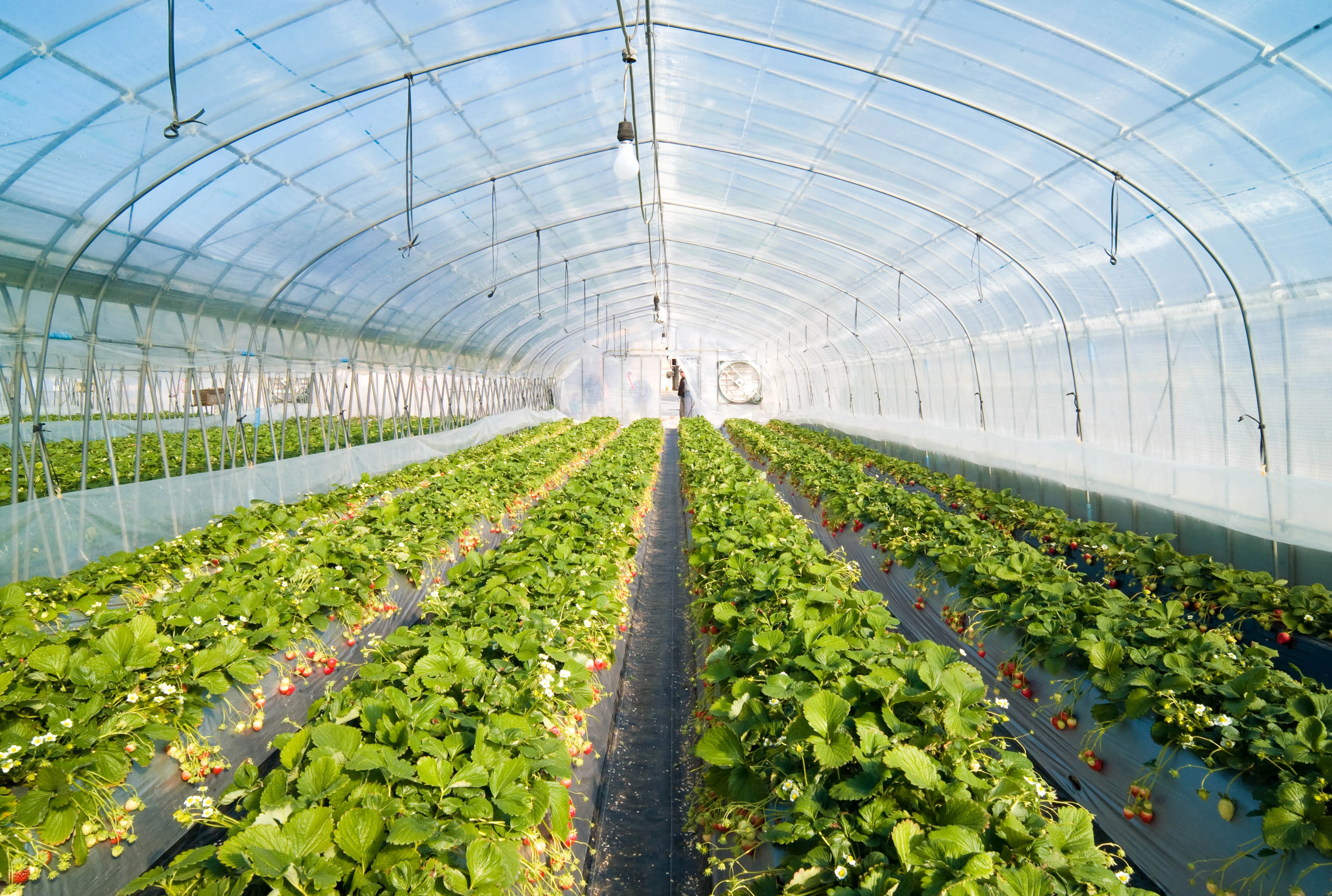
The average increase in the temperature of the atmosphere near the Earth’s surface is called global warming. Changes in global climate patterns cause these temperature rises. For the past 200 years, the burning of fossil fuels like coal and oil, as well as deforestation, has resulted in major increases in greenhouse gas concentrations in the Earth’s atmosphere. These greenhouse gases, like the glass panels of a greenhouse, prevent heat from escaping from our atmosphere to space.
Gases that cause global warming
Greenhouse gases are essential to life because they keep our planet’s surface warmer than it would otherwise be. On the other hand, as the concentrations of these greenhouse gases in the atmosphere continue to rise. This rises Earth’s temperature above previous levels.
Human actions are to blame for the majority of recent warming. Other features of the climate, such as sea levels, rainfall patterns, and snow and ice cover, are also altering. Climate change, on the other hand, is already wreaking havoc on the environment. This affects humans, plants, and animals. Scientists are trying to figure out how future climate changes will affect different regions and time periods.
Effects as a result of Climate Change
Sea level rise, changes in the range and distribution of plants and animals, trees flowering earlier etc are all observed effects of climate change. Climate change can have a direct and indirect impact on human health. Probably through extreme heat and cold, storms, and climate-sensitive diseases. Smog has been a concern in London since Edward I prohibited coal for a short time in 1306. In order to minimise the amount of smoke created. Smog killed almost 4,000 people in four days in 1952.




Comments
Leave a Comment
Your email address will not be published. Required fields are marked *