Biotechnology is like a special toolbox that helps us understand and use living things to solve problems. Imagine using tiny living cells, almost like little workers, to create medicines, grow food, or even clean up the environment. This article will explore the cool things that biotechnology does and why it’s so important for our future.
What is Biotechnology?
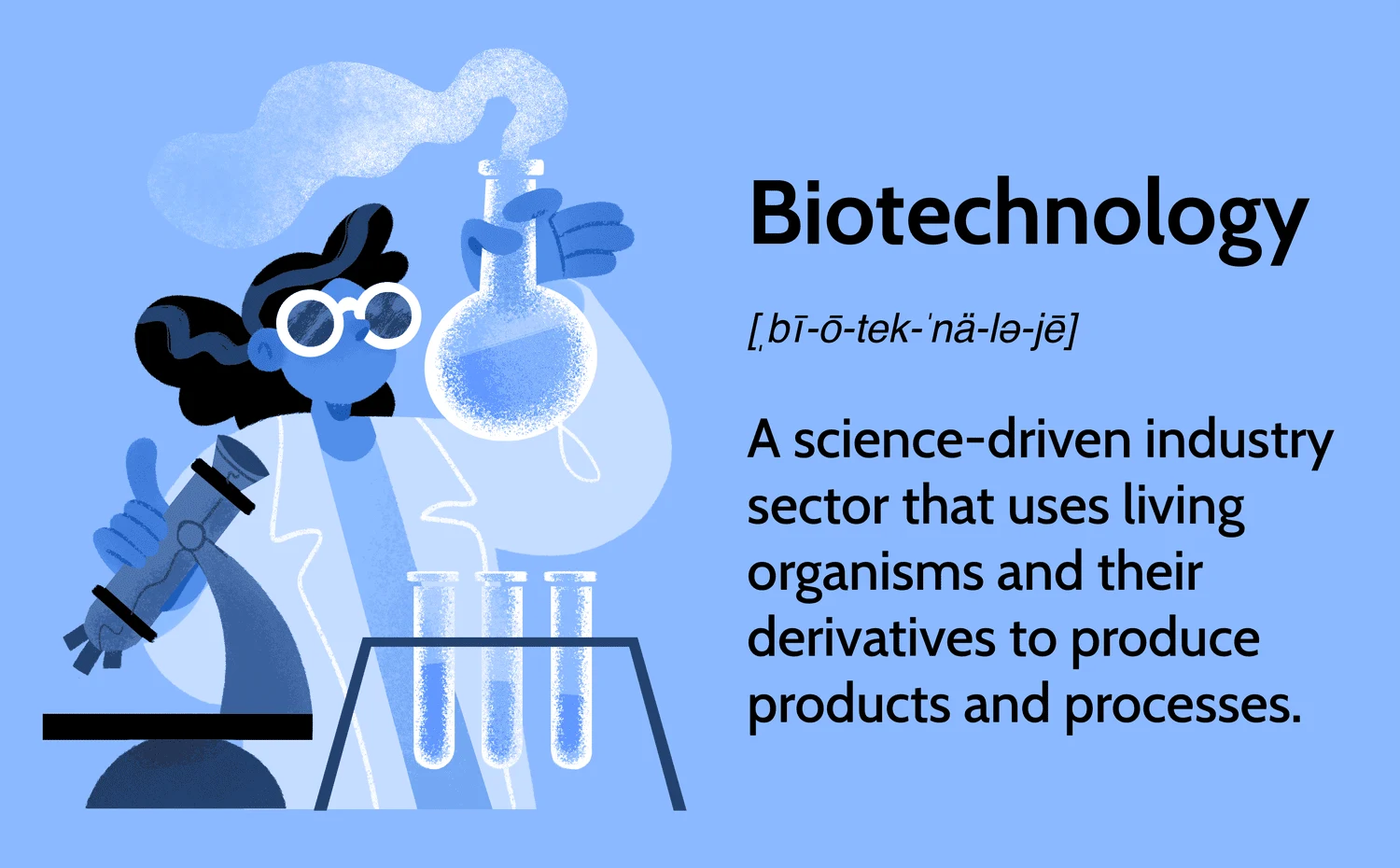
At its core, biotechnology involves using biological systems or living organisms to develop products or processes. It combines biology with technology to improve health, agriculture, and the environment. Think of it as a bridge connecting nature and science. Scientists harness the power of cells and microbes, manipulating them to create new ways to help people and the planet.
How Does Biotechnology Work?
Biotechnology works by tapping into the natural abilities of organisms. For instance, by changing the genes of a plant, scientists can make it resistant to pests or able to grow in different climates. It’s like giving a plant superhero powers! The basic processes include:
- Genetic Engineering – This is where scientists tweak an organism’s DNA. It’s like editing a recipe to get a better dish.
- Fermentation – This ancient technique is about using microbes to break down materials and produce valuable products like beer or yogurt. Imagine tiny chefs working in a big kitchen!
- Cell Culture – Here, cells are grown in a lab to produce proteins or drugs. It’s like a mini factory for medicines.
The Role of Biotechnology in Health
Biotechnology plays a huge part in medicine. One of the most exciting developments is the creation of vaccines. For instance, when researchers made mRNA vaccines for COVID-19, they used biotechnology to teach our bodies how to fight the virus. It’s like training a superhero to take down a villain!
Moreover, biotech helps in developing new drugs. By studying how cells work, scientists can create targeted therapies for diseases like cancer. This personalized approach is a big leap from the one-size-fits-all treatment methods of the past.
Biotech and Food Production
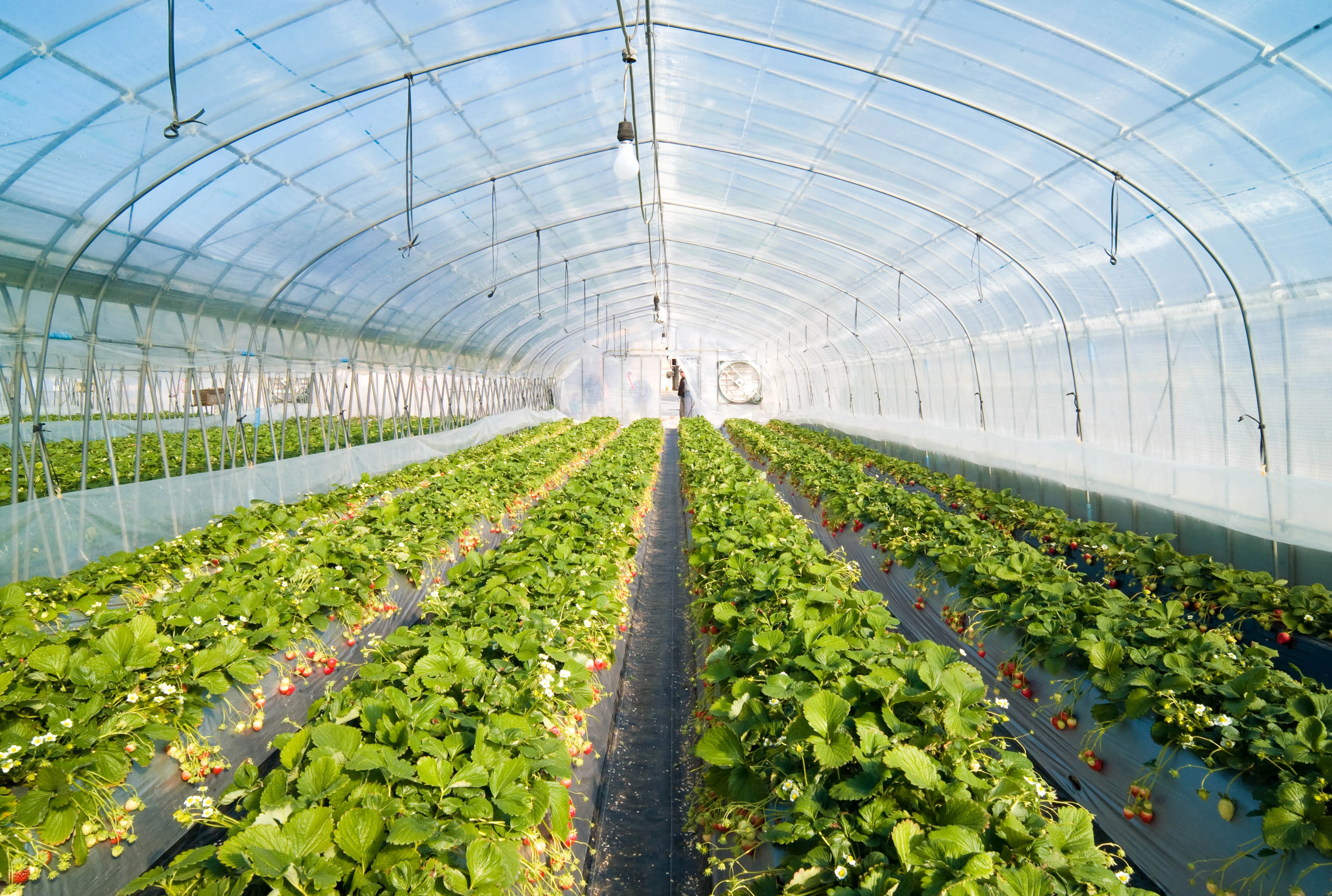
When it comes to food, biotechnology is helping farmers grow more with less. Genetically modified organisms (GMOs) are designed to increase crop yields and withstand harsh conditions. Imagine growing tomatoes that can survive a drought or resist pests! This not only helps ensure food security but also reduces the need for chemical pesticides, benefiting the environment.
Furthermore, biotechnology is making strides in lab-grown meat. This means we can produce protein without raising livestock, potentially reducing our carbon footprint. It’s like having a farm in a lab!
Environmental Benefits of Biotechnology
Biotechnology isn’t just about health and food; it also plays a vital role in protecting our environment. Microbes can be used to clean up oil spills or treat wastewater. These little workers break down pollutants, making the environment healthier. Think of them as nature’s janitors, tirelessly cleaning up after us.
Additionally, it can help produce renewable energy. By using organic materials to create biofuels, we can reduce our reliance on fossil fuels, which is crucial for a sustainable future.
The Future of Biotechnology
Looking ahead, biotechnology holds endless possibilities. From advanced medical treatments to sustainable food sources, the future looks bright. As we continue to understand the building blocks of life, we can create innovative solutions to the challenges we face. It’s like having a magic wand that can make the world a better place.
In conclusion, it opens doors to a healthier, more sustainable world. By combining our knowledge of biology with technology, we can solve pressing global issues. The next time you think about the future, remember that biotechnology is not just a field of science; it’s a key that unlocks the door to new possibilities!