The hunger hormone, known as ghrelin, plays a vital role in regulating your appetite and energy balance. It signals your brain when it’s time to eat, helping to control food intake and body weight.
What’s the Hunger Hormone?
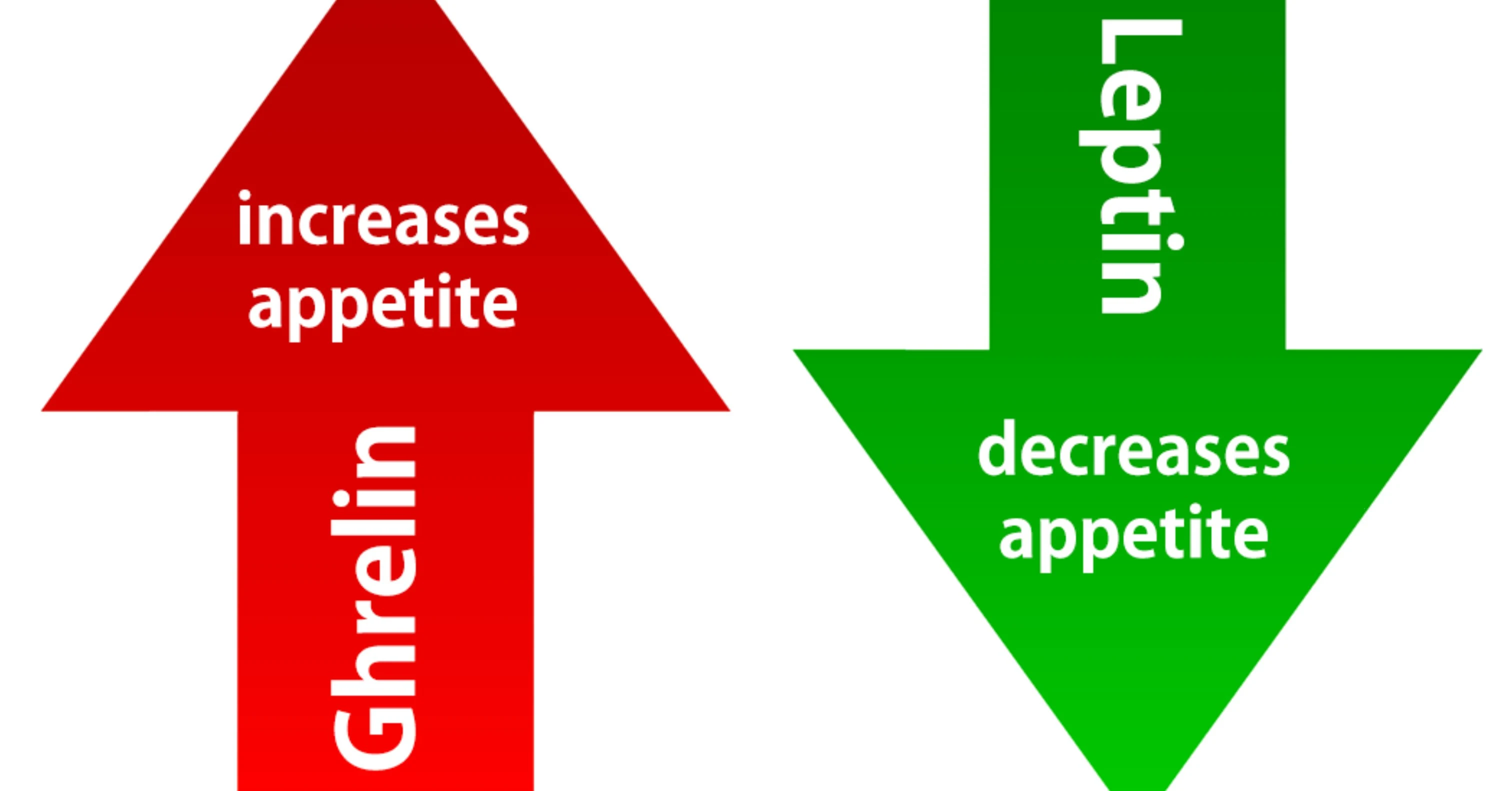
Ghrelin is a peptide hormone that’s primarily made in your stomach. It makes its way through your bloodstream to your brain, particularly the hypothalamus. Ghrelin plays a key role in stimulating your appetite by letting your brain know that your stomach is empty and it’s time to eat. When ghrelin levels are high, you feel hungrier, and when they’re low, your hunger diminishes.
How Ghrelin Functions?
When your stomach is empty, your body ramps up ghrelin production to send out those hunger signals. After you’ve eaten, ghrelin levels drop, which tells your body that you’re full. Interestingly, different types of foods can influence ghrelin release in various ways—carbs and proteins tend to lower ghrelin more effectively than fats do. Ghrelin works by attaching to receptors in the hypothalamus, activating neurons that boost your appetite.
The Broader Impact of Ghrelin
Ghrelin does more than just make you hungry. It also plays a role in regulating sleep-wake cycles, influencing reward behavior, affecting taste sensations, and managing energy metabolism. By encouraging fat storage, it helps your body keep its energy reserves in check. Additionally, ghrelin stimulates the release of growth hormones and helps regulate insulin secretion, which ties it to your overall metabolic health.
Ghrelin is Important for Weight Management
Getting to know ghrelin can shed light on why fasting or dieting often leads to increased hunger. When you cut back on food intake, your body responds by producing more ghrelin, which can leave you feeling hungrier. This natural response can make losing weight a bit tricky. By managing your ghrelin levels through balanced meals and sticking to a regular eating schedule, you might be able to keep excessive hunger at bay.
How to Balance Ghrelin Levels Naturally
- Eat protein-rich meals to reduce ghrelin and feel full longer.
- Choose high-fiber foods to slow digestion and suppress hunger.
- Get regular sleep, as poor sleep raises ghrelin levels.
- Avoid skipping meals to prevent excessive ghrelin spikes.
- Manage stress, which can increase ghrelin and appetite.
Conclusion
Ghrelin, the hunger hormone, is essential for regulating appetite and energy balance. It signals when to eat and helps maintain body weight by promoting fat storage. By understanding ghrelin’s functions, you can better manage hunger and support healthy eating habits. Balancing this hormone naturally promotes well-being and may aid in weight control.