
The Effects of Acid Rain on Our Environment:
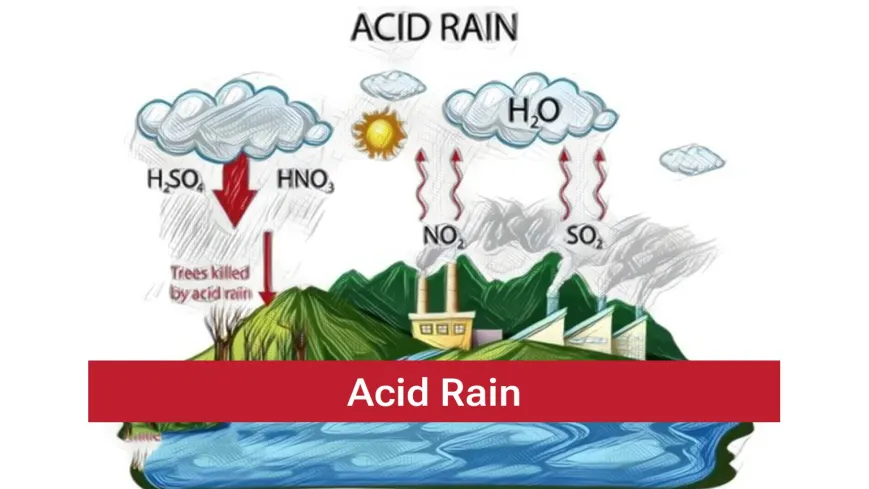
Acid rain is a serious environmental problem that affects various ecosystems. It occurs when pollutants like sulfur dioxide and nitrogen oxides mix with water vapor in the atmosphere. The pH of acid rain is usually less than 5. These pollutants come from industrial processes, vehicle emissions, and power plants. Acid rain causes damage to plants, animals, and buildings, making it a global concern.
Damage to Plant Life:
Acid rain severely affects plant life by leaching essential nutrients from the soil. It reduces the availability of minerals like calcium and magnesium, which plants need for growth. The acidic precipitation also damages plant leaves, impairing photosynthesis. As a result, plants become weaker and more susceptible to diseases and pests. Forests, crops, and other vegetation are at risk, threatening food supplies and ecosystems.
Impact on Water Bodies:
Acid rain can significantly alter the chemistry of lakes, rivers, and streams. When acid rain falls into water bodies, it lowers the pH levels, making the water more acidic. Many aquatic organisms, such as fish, amphibians, and insects, are highly sensitive to changes in pH. Acidic water can harm fish populations, stunt growth, and even lead to the death of aquatic life. These changes disrupt food chains and damage aquatic ecosystems.
Harm to Buildings and Monuments:
Acid rain doesn’t only affect nature; it also damages buildings, monuments, and other structures. Many historical monuments, especially those made of limestone or marble, are particularly vulnerable. The acid reacts with minerals in the stone, causing them to erode and weaken over time. This leads to the deterioration of cultural heritage and increased repair costs. Cities with high pollution levels are especially at risk.
Health Risks to Humans:
Although acid rain doesn’t directly affect human health, it can contribute to respiratory problems. The pollutants that cause acid rain, such as sulfur dioxide and nitrogen oxides, can cause lung irritation. These pollutants may lead to asthma, bronchitis, and other respiratory issues, particularly in children and the old people. Reducing these pollutants is vital for both environmental and public health.
Conclusion:
Acid rain is a harmful environmental issue that affects plants, animals, water, buildings, and human health. Addressing this problem requires reducing emissions from industries and vehicles. By taking action to minimize pollution, we can protect ecosystems and ensure a healthier future for all.