

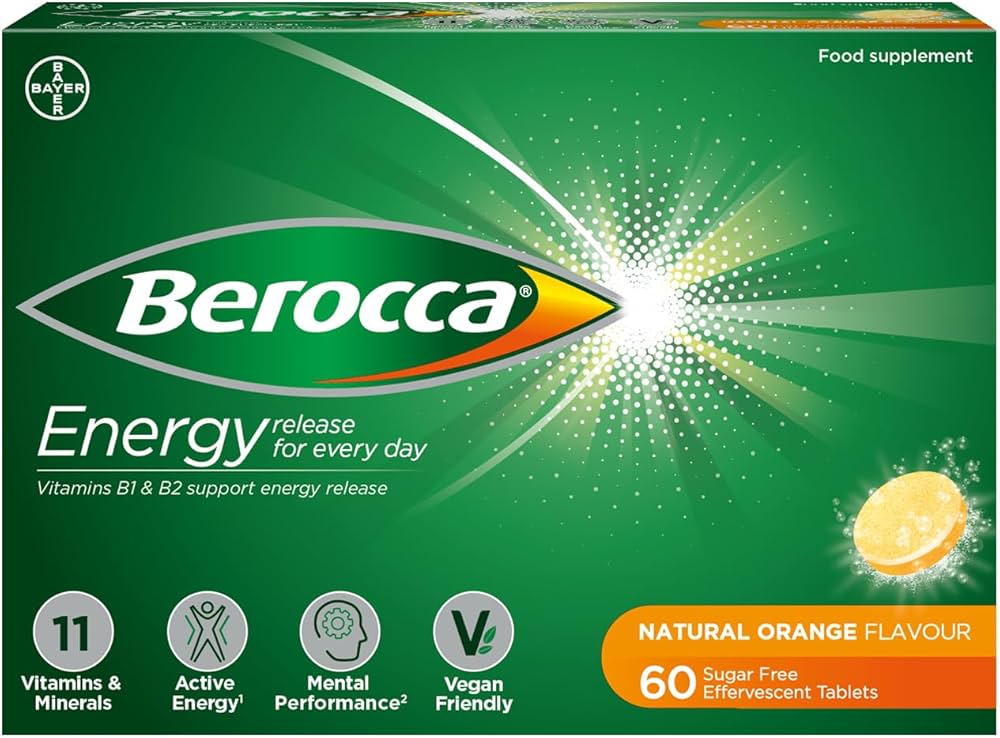
Energy-Releasing Vitamin B:
Energy-releasing Vitamin B refers to a group of B vitamins that help the body convert food into energy. These vitamins act as cofactors in enzymes involved in metabolism. They support the breakdown of carbohydrates, fats, and proteins to release energy important for bodily functions.
Key Vitamins in Energy Release:
The most notable energy-releasing B vitamins include:
- Vitamin B1 (Thiamine)
- Vitamin B2 (Riboflavin)
- Vitamin B3 (Niacin)
- Vitamin B5 (Pantothenic Acid)
- Vitamin B6 (Pyridoxine)
- Vitamin B7 (Biotin)
- Vitamin B12 (Cobalamin)
- Folate (Vitamin B9)
These vitamins work together in different metabolic pathways to produce energy in the form of ATP, the body’s cellular fuel.
How Vitamin B Helps Boost Energy Production:
Vitamin B12 is essential for energy metabolism. It serves as a coenzyme for enzymes that break down fatty acids and amino acids. This breakdown produces succinyl CoA, which is a vital player in the citric acid cycle, a major energy-producing process in our cells.
Additionally, Vitamin B12 supports the methionine synthase enzyme, which is crucial for DNA synthesis and methylation, indirectly aiding energy metabolism. If you’re low on Vitamin B12, you might feel fatigued and weak because your body struggles to generate energy efficiently.
Other B vitamins, such as B1 and B2, help enzymes that convert carbohydrates into glucose and fats into fatty acids, both of which are key energy sources. B3 is important for generating NAD and NADP, molecules that are critical for energy production. Meanwhile, B6 plays a role in protein metabolism, further contributing to the energy available to our bodies.
Sources of Energy-Releasing Vitamin B:
These vitamins are found in a variety of foods:
- Whole grains, legumes, and nuts provide B1, B2, and B3
- Meat, eggs, and dairy products are rich in B12
- Leafy green vegetables and citrus fruits contain folate
- Eggs, fish, and organ meats offer B6 and B7
Eating a balanced diet ensures adequate intake of all B vitamins.
Benefits:
- Enhances energy levels by supporting metabolism
- Improves brain function and reduces fatigue
- Supports red blood cell formation and oxygen transport
- Helps maintain healthy skin and muscle tone
Signs of Deficiency:
Low vitamin B levels cause symptoms like tiredness, confusion, and anemia. Chronic deficiency can lead to neurological problems and metabolic imbalances.
Conclusion:
Energy-releasing Vitamin B complex is vital for converting food into energy. Ensuring sufficient intake helps maintain stamina, brain function, and overall health. Including B vitamin-rich foods or supplements can optimize your energy metabolism and prevent fatigue.

