

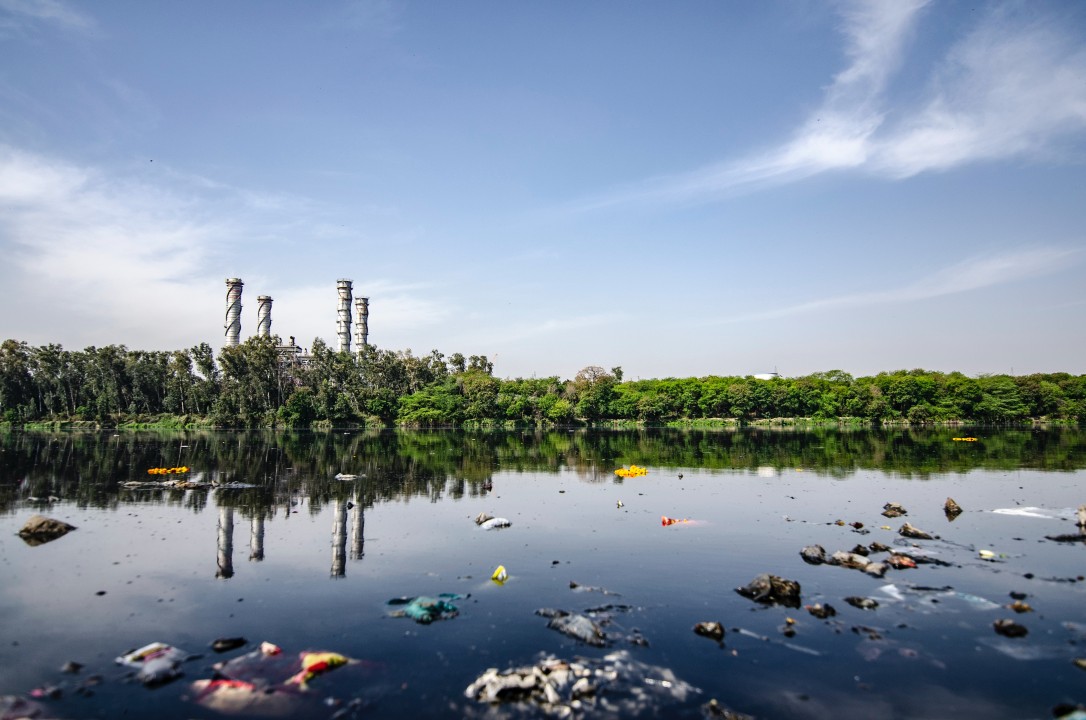
What is Water Pollution?
Water pollution and the other types of pollution are the most common and challenging biological issue nowadays. Water pollution is a phenomenon of contamination of water bodies i.e., canals, streams, lakes, rivers, oceans and groundwater etc. by various human activities. In other words, addition of solid wastes, toxins, chemicals and microorganisms in the water bodies is called water pollution.
Causes of Water Pollution:
There are many factors which are becoming the sources of water pollution. The water reservoirs are being greatly affected by human actions. Some of the main causes are as follows:
1. Incomplete treatment of sewage:
Sewage is one of the major cause of water pollution. Sewage water contains harmful bacteria and poisonous chemicals.
2. Industrial effluents:
The industrial effluents is a big danger to water bodies. These chemical wastes contain toxins and poisonous chemicals, which cause water pollution.
3. Agriculture:
Indirectly, agriculture is also a source of water pollution. The agro chemicals products (fertilizers, fungicides, herbicides, pesticides and insecticides) are widely being used to increase the quantity and quality of crops. But these chemicals also cause water pollution.
4. Algal bloom:
Algal bloom is a fine layer of green algae onto the water bodies whenever there is excess of nutrients. Normally, it is a natural process but highly speeded up by human activities. As a result, water turns green and develops irksome smell.
5. Oils and Detergents:
Sometimes, oil carrying ships sink in oceans and seas. Thus, cause water pollution. These oils are enough to kill the aquatic life. On the other hand, the use of detergents is increasing day by day. The prime disadvantage of detergents is that they are non-biodegradable. When the detergents discharge into water reservoirs, they remain in the water for a long time and rapid the process of algal bloom. Thus, they make water unfit for aquatic life.
Effects of Water Pollution:
- Polluted water is very hazardous to human health and causes various waterborne diseases in them.
- It causes the rapid growth of algae over water, resulting in the depletion in the amount of dissolved oxygen in water. Thus, harmful for aquatic life.
- As, it greatly effects aquatic life. Thus, breaking a link in food chain.
- It deteriorates the aesthetic quality of water bodies.
- It is unsuitable for drinking and washing motives.
Some Waterborne Infectious Disease:
| Waterborne Infectious Disease | Effects | |
| 1 | Cholera | Severe diarrhea, dehydration, vomiting, muscle cramps and death |
| 2 | Hepatitis A and E | Liver |
| 3 | Dysentery | Severe diarrhea with blood or mucus, stomach cramps, vomiting and fever |
| 4 | Diarrhea | Loose motions, dehydration |
| 5 | Cryptosporidium | Gastrointestinal and respiratory illness, vomiting, fever, cough and diarrhea. |
| 6 | Fluorosis | Bone and teeth damage |
| 7 | Typhoid | Fever |
| 8 | Hookworm | Anemia and stunted growth |
| 9 | Giardia | Stomach cramps, bloating, nausea, vomiting and diarrhea. |
| 10 | Escherichia Coli Infection | Infections in gastrointestinal and urinary tract, vomiting, fever and diarrhea |
Prevention of waterborne diseases:
Preventing waterborne diseases involves ensuring proper treatment and purification of drinking water. It is crucial to have effective sanitary sewage disposal practices in place to prevent any type of waste from being directly thrown or discharged into water sources or reservoirs. There should be strict monitoring of pesticide and chemical usage.
How to reduce Water Pollution:
To reduce water pollution, everyone shares some level of responsibility. Fortunately, there are simple steps individuals can take to prevent water contamination or minimize their impact on it. These include reducing plastic consumption, recycling or reusing plastic items, and correctly disposing of chemical cleaners, oils, and non-biodegradable products to prevent them from entering drainage systems.
Regular maintenance of vehicles to prevent leaks of oil, antifreeze, or coolant is essential. Landscaping practices that reduce runoff and avoiding the use of agricultural chemical products in yards can also help. Proper disposal of old medications in the trash is recommended to avoid contaminating local waterways. It is crucial to be cautious about what is poured into storm sewers, as this waste often bypasses treatment before entering water bodies.
Advocating for the Clean Water Act, which has been instrumental in holding polluters accountable for fifty years, is a powerful way to protect water resources. Additionally, there is a need for regulations that address modern challenges such as micro plastics, PFAS, pharmaceuticals, and other contaminants that traditional wastewater treatment plants may not effectively manage. It is vital to address untreated polluted water discharges to safeguard water quality.

