
As the autumn leaves fade and a crisp frost settles across the continent, a noticeable shift occurs in the way people explore. Gone are the days when a European winter vacation meant exclusively crowding onto a packed ski lift in the Alps or queuing for hours outside a bustling Christmas market. Today, a new breed of travelers is seeking out depth, authenticity, and moments that money cannot simply manufacture overnight. Europe's winter hotspots are evolving rapidly to meet this demand, blending heritage, nature, and wellness to offer an escape from the ordinary.
Tromsø, Norway: The Ultimate Arctic Adventure
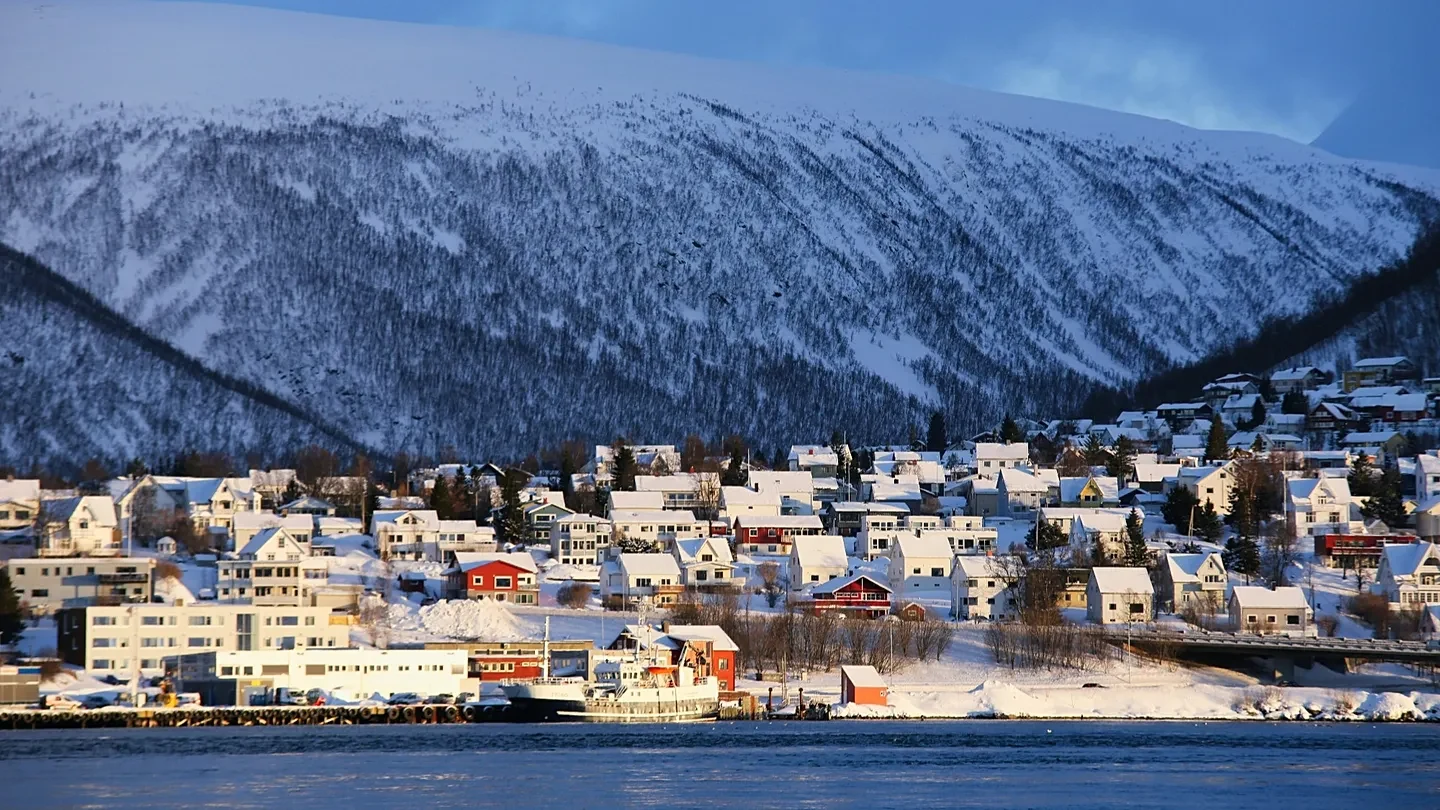
Far above the Arctic Circle, Tromsø serves as the bustling gateway to the wild north. While winter days here are short, giving way to the enchanting polar night, the darkness brings an ethereal magic that draws travelers from every corner of the globe. Tromsø is not just about catching a glimpse of the Aurora Borealis; it is an immersive Arctic lifestyle where visitors partake in multi-day dog sledding expeditions across frozen plateaus guided by professional mushers. Spending an evening in a traditional tent listening to folk singing around an open fire offers a profound connection to Europe’s oldest indigenous culture, while smart planning involves investing in thermal wool base layers, windproof outer shells, and heavy-duty snow boots.
Bled, Slovenia: The Fairytale Alpine Sanctuary
While neighboring Austria and Switzerland often steal the winter limelight, Slovenia’s Lake Bled offers a quieter, deeply romantic alternative that feels straight out of a storybook. At the center of a glacier-fed lake sits a tiny island crowned by a historic pilgrimage church framed by snow-dusted Julian Alps. Instead of motorized boats, traditional wooden vessels row visitors across the mirror-like surface before they warm up with a slice of local cream cake in a cozy lakeside café. Travelers looking to maximize their stay can seek out local hotels featuring thermal mineral water pools fed by natural springs and hike up to nearby viewpoints early in the morning for mist-shrouded sunrise views.
Abisko and Kiruna, Swedish Lapland: The Realm of Ice and Silence
If your idea of a unique winter holiday involves absolute peace and landscapes untouched by mass tourism, Swedish Lapland delivers in spades. Abisko is globally renowned for a patch of sky above its national park that remains remarkably clear of clouds even when surrounding areas are overcast, making it a reliable spot to view the Northern Lights. Just a short journey away lies Jukkasjärvi, home to the world-famous hotel meticulously rebuilt out of river ice every single winter, where sleeping on a bed carved from solid ice provides an unforgettable bucket-list experience. Taking the overnight sleeper train from Stockholm offers an eco-friendly, highly scenic journey straight through the heart of Sweden's frozen interior.
Transylvania, Romania: Myths, Castles, and Winter Folklore
Forget the sun-bleached beaches of the south because winter in Transylvania brings out the true, atmospheric character of Romania’s most famous region. Tucked beneath the snow-capped Carpathian Mountains, medieval towns look entirely enchanting under a blanket of white snow as gothic spires pierce gray winter skies and cobblestone alleys echo with the footsteps of fewer tourists. Visiting legendary castles shrouded in mist offers an entirely different vibe than a sunny afternoon, which pairs wonderfully with hearty local winter cuisine like stuffed cabbage rolls and hot mulled brandy. Travelers planning to navigate mountain passes between historic towns should rent a car equipped with mandatory winter tires.
Frequently Asked Questions (FAQ)
What are the best European destinations for avoiding winter crowds?
Lesser-visited spots like Bled in Slovenia, the interior of Swedish Lapland, and smaller historic towns in Transylvania, Romania, offer significantly fewer crowds compared to major capitals or popular Alpine ski hubs.
How can I prepare for extreme cold weather travel in Northern Europe?
The key is the three-layer system consisting of a moisture-wicking base layer, an insulating mid-layer, and a weather-resistant, windproof outer shell, alongside thermal socks and chemical hand warmers.
Are winter hotspots more expensive than summer travel in Europe?
It depends entirely on the destination, as Arctic hotspots experience high pricing during peak holiday weeks, while historic cities and Central European lakes often feature lower accommodation rates and quieter atmospheres between January and March.
Comments
Leave a Comment
Your email address will not be published. Required fields are marked *