
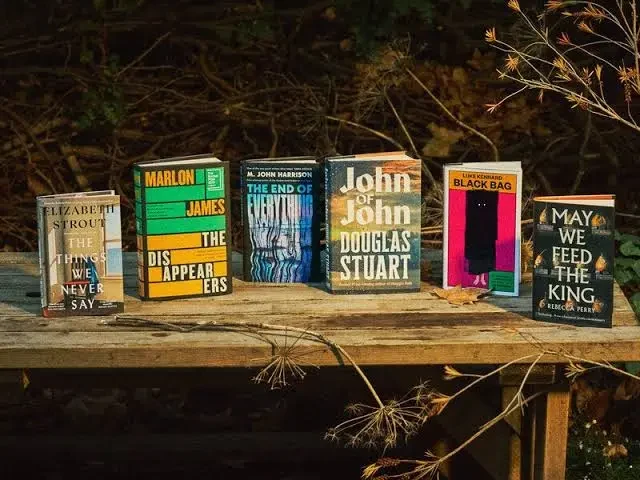
Every year, the global literary community holds its collective breath as the race for the Booker Prize reaches its dramatic climax. Renowned worldwide for spotlighting the finest, most daring works of contemporary English-language fiction, the prize remains the ultimate career-defining badge of honor for authors, editors, and publishers alike. The 2026 shortlist has delivered an extraordinary, eclectic mix of veteran literary heavyweights and bold, boundary-pushing new voices, capturing the anxieties, triumphs, and complex nuances of the modern human experience.
Chaired by the esteemed historian and classicist Mary Beard, the 2026 judging panel sifted through a massive, highly competitive field of submissions to curate a shortlist that spans genres, centuries, and continents. As book lovers, critics, and publishing houses place their final bets, one pressing question echoes across literary circles worldwide: Which masterpiece will ultimately claim the coveted trophy and the £50,000 prize?
A Shortlist Defined by Daring Diversity and Creative Risk
The six selected finalists represent the absolute peak of modern storytelling, skillfully balancing high-concept speculative fiction with deeply intimate, character-driven psychological studies. Rather than sticking to safe, traditional formulas, this year’s jury opted for books that challenge readers to look at history, society, and personal relationships through entirely fresh lenses.
The Contenders:
The End of Everything by M. John Harrison – A slyly satirical and unsettling post-apocalyptic adventure that brilliantly bends traditional genre conventions while exploring human resilience on the edge of oblivion.
The Disappearers by Marlon James – A powerful, fiercely gripping, and deeply human story by a previous Booker winner exploring survival, loyalty, and social pressures in the vibrant yet turbulent backdrop of 1980s Jamaica.
Black Bag by Luke Kennard – A blazingly funny, sharply warped campus novel that brilliantly dissects contemporary masculinity, institutional hypocrisy, and modern intellectual absurdity.
May We Feed the King by Rebecca Perry – A lyrical, poetic meditation on history, collective narrative, and the true, often elusive meaning of living a "Great" life.
The Things We Never Say by Elizabeth Strout – A masterclass in emotional resonance and quiet observation, capturing how grief, familial duty, and long-held secrets echo across decades in small-town America.
John of John by Douglas Stuart – A heartbreaking, atmospheric homecoming tale set against the rugged, unforgiving backdrop of Scotland's Outer Hebrides by another former Booker champion.
Heavyweights Versus Fresh Voices: The Battle for the Crown
The 2026 competition is particularly fierce because it pits celebrated literary giants against fiercely original innovators who are making their debut appearance on the shortlist. Previous winners Marlon James and Douglas Stuart bring immense star power, narrative ambition, and linguistic brilliance back to the competition, while Elizabeth Strout returns with her trademark psychological acuity and unmatched ability to render ordinary lives extraordinary. At the same time, the inclusion of fresh voices injects a thrilling sense of unpredictable excitement into the final hours before the winner is crowned.
Critics have praised the 2026 list for its sheer breadth and stylistic diversity. Whether readers gravitate toward the bleakly poetic coastal landscapes of Stuart’s Scottish island setting, the razor-sharp social satire of Kennard’s academic chaos, or Harrison’s genre-defying speculative worlds, every single shortlisted book offers a distinct emotional and intellectual punch. It is a testament to the health and vitality of contemporary fiction that a historical poetic meditation can sit comfortably on the same table as a biting modern campus satire.
The Cultural and Commercial Impact of the Booker Prize
Beyond the prestige and the £50,000 winner's purse (£2,500 for each shortlisted author), the Booker Prize holds immense power in shaping global reading habits. For the victorious author, the prize translates into international acclaim, translation rights in dozens of languages, and a massive surge in readership. Independent bookstores and major retailers alike report significant spikes in foot traffic and sales as soon as the shortlist—and subsequently the winner—is announced.
Furthermore, the prize serves as a cultural mirror. The themes dominating the 2026 list—isolation, historical reckoning, familial duty, and the search for identity in a rapidly changing world—reflect the collective consciousness of our current era. As literature continues to compete with endless digital distractions, novels like the ones on this year's shortlist prove that immersive, beautifully crafted long-form storytelling remains uniquely vital for fostering empathy and deep reflection.
Frequently Asked Questions (FAQ)
1. When is the winner of the 2026 Booker Prize announced?
The winner of the 2026 Booker Prize is announced on Monday, November 9, 2026, in a gala ceremony livestreamed across major digital platforms for global audiences.
2. What do the winner and finalists receive for their achievement?
The overall winner of the Booker Prize receives £50,000 and a guaranteed massive boost in global book sales, while each of the shortlisted authors is awarded £2,500 and a specially bound edition of their book.
3. Who are the previous winners featured on the 2026 shortlist?
The 2026 shortlist features two celebrated past Booker Prize winners: Marlon James and Douglas Stuart, alongside internationally acclaimed multi-time nominee Elizabeth Strout.
4. Who chaired the judging panel for the 2026 competition?
The 2026 judging panel was chaired by distinguished historian, author, and classicist Mary Beard, who led a panel of critics, writers, and cultural figures in selecting the finalists.








Comments
Leave a Comment
Your email address will not be published. Required fields are marked *