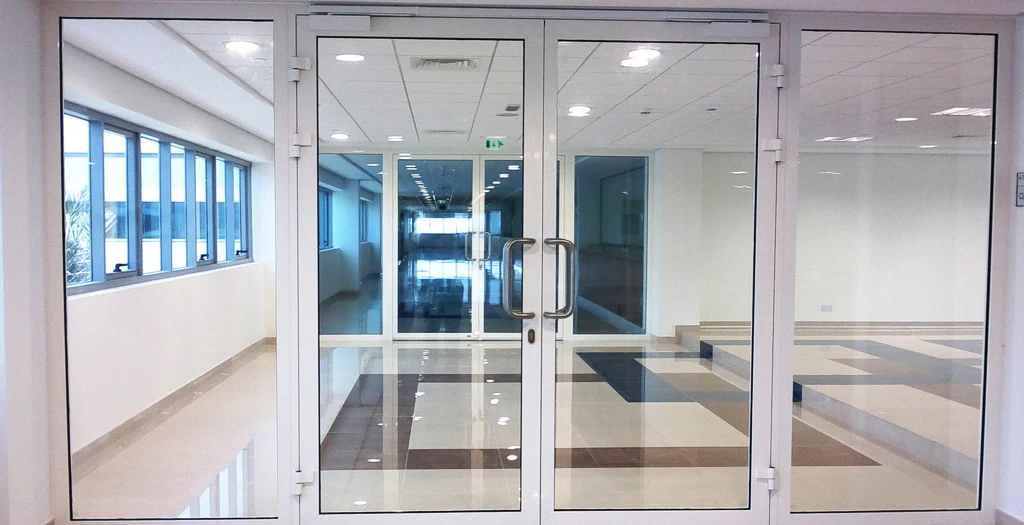
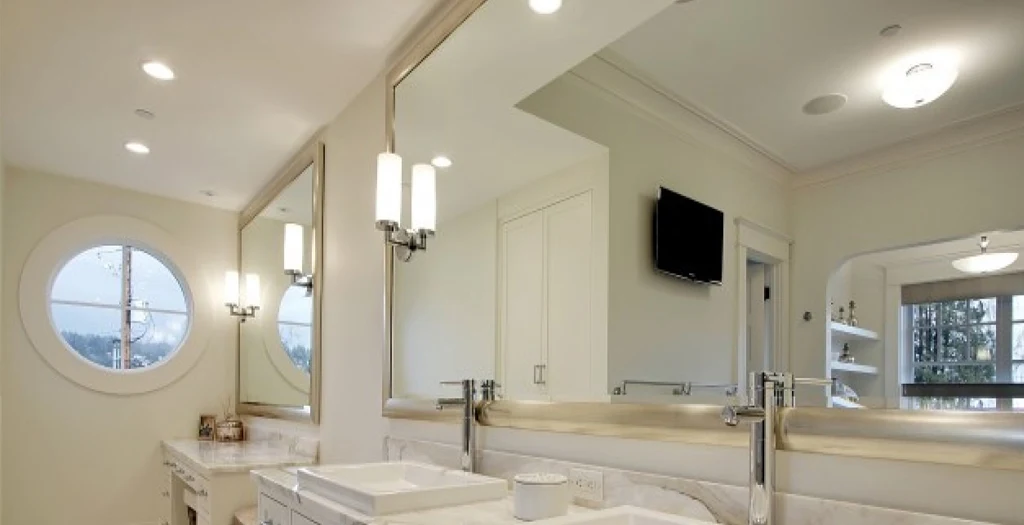
Choose a wall-mirror position by considering what it reflects, viewing height, room proportions, glare, fixings, and everyday movement.
Decide what the mirror is for
A mirror used for grooming needs a different height and lighting arrangement from one intended to widen the feel of a room. Define the primary task before choosing size or position, then check how the decision works for the people who will use it.
Study the reflection
A mirror repeats whatever is opposite it. Test the proposed location from standing and seated viewpoints to see whether it reflects daylight, a useful architectural feature, clutter, or direct glare. Moving it a short distance can change the result substantially.
Use proportion rather than a fixed rule
The mirror should relate to nearby furniture, fittings, and wall edges. Templates made from paper or removable tape can help judge scale before drilling. In a bathroom, coordinate the mirror with basins, taps, lighting, storage, and outlets rather than treating it as an isolated rectangle.
Choose secure fixings
Mirror weight, wall construction, edge finish, and moisture exposure affect the fixing method. Large or unusually shaped mirrors should be measured and installed by people familiar with the substrate and relevant safety requirements.
Control light and maintenance
Side lighting can reduce harsh shadows for grooming, while a window directly opposite may create glare at certain times. Leave enough access for cleaning edges and nearby fixtures. A well-positioned mirror should support the room every day, not only look balanced in a photograph.
A practical next step
Use these ideas as a starting framework, then verify the details that depend on location, access, products, weather, regulations, or personal circumstances. A useful plan stays specific to the real setting and changes when better information becomes available.