

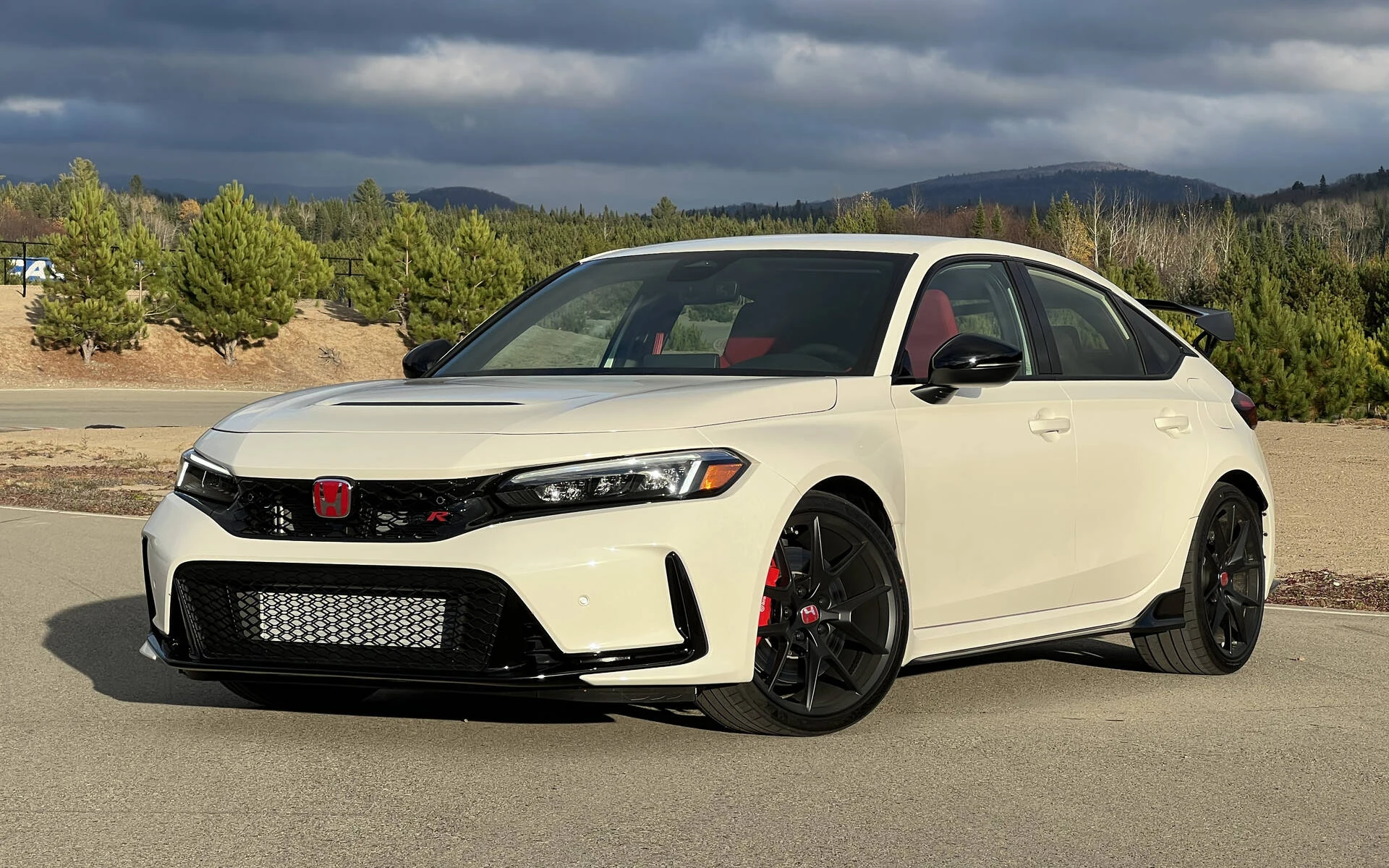
A low or extended front bumper can affect how easily a car handles steep driveways, parking ramps, kerbs, speed bumps, and parking stops. Photos can help identify a low front end, but they cannot confirm whether the vehicle has enough clearance for everyday use. The most reliable approach is to inspect the lowest points, take measurements, and test the actual vehicle in realistic conditions.
What determines front bumper clearance?
Front bumper clearance depends on more than the vehicle's published ground-clearance figure. The lowest splitter, trim panel, guard, or aerodynamic component may sit below the main bumper.
The distance between the front wheels and the lowest forward point also matters. A long front overhang can cause the bumper to contact a slope even when the vehicle has reasonable ground clearance.
How do you measure front bumper clearance?
Start by identifying the lowest fixed point beneath the front bumper. Measure its vertical distance from level ground.
Then consider the places the car will regularly encounter, including:
Steep driveway entrances
Car-park ramps
Kerbs
Speed bumps
Parking stops
Sudden changes between flat and sloped surfaces
For a realistic assessment, consider the vehicle's normal permitted load. Passengers and luggage can affect ride height, depending on the vehicle and suspension.
How should you test a low bumper?
Where it is safe and permitted, approach a familiar ramp or driveway slowly with the actual vehicle. Having another person observe the front clearance from a safe position can make potential contact easier to identify.
Parking cameras and sensors can help with positioning, but they do not increase physical ground clearance or prevent a low bumper from contacting an obstacle.
What are signs that a bumper has scraped before?
Inspect the underside and lower front panels for scratches, cracks, loose fasteners, damaged trim, or paint repairs. These signs can indicate previous contact, although they do not establish when or why the damage occurred.
If damage is visible, ask for available repair records and consider an independent inspection before buying the vehicle.
Is a low front bumper practical for daily driving?
It depends on the vehicle and the roads, driveways, ramps, and parking areas used regularly. A sporty low bumper may be suitable in one environment but inconvenient in another with steep access points or frequent obstacles.
Practical suitability should therefore be based on the exact vehicle and the buyer's normal driving environment rather than appearance alone.
FAQ
Can a low front bumper scrape even if ground clearance is adequate?
Yes. Ground clearance alone does not describe the shape and length of the front overhang. A low component positioned far ahead of the front wheels may contact a steep transition before the wheels reach it.
Do parking sensors prevent bumper scraping?
No. Sensors and cameras can assist with positioning and obstacle awareness, but they do not change the vehicle's physical clearance.
Should I check underneath the bumper before buying a used car?
Yes. Checking the lower bumper, splitter, trim, guards, and mounting points can reveal visible damage or previous contact that may deserve further inspection.
Is published ground clearance enough to judge a car?
Not always. Published specifications are useful, but the lowest forward component, front-overhang geometry, vehicle load, and actual driveway or ramp angles can all affect whether the bumper clears an obstacle.




Comments
Leave a Comment
Your email address will not be published. Required fields are marked *