

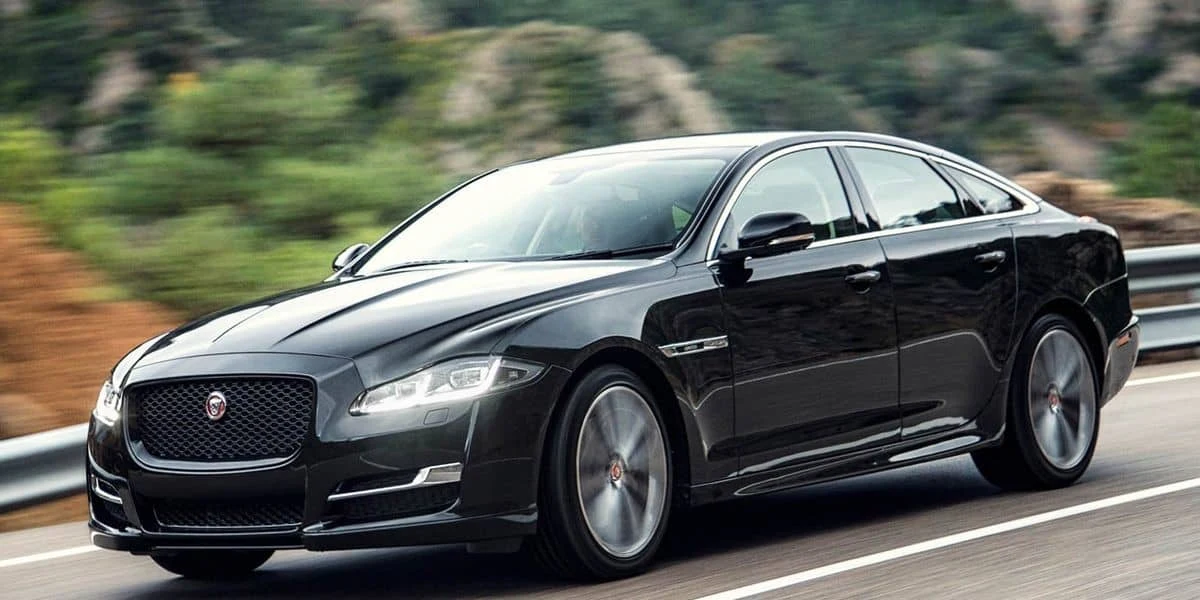
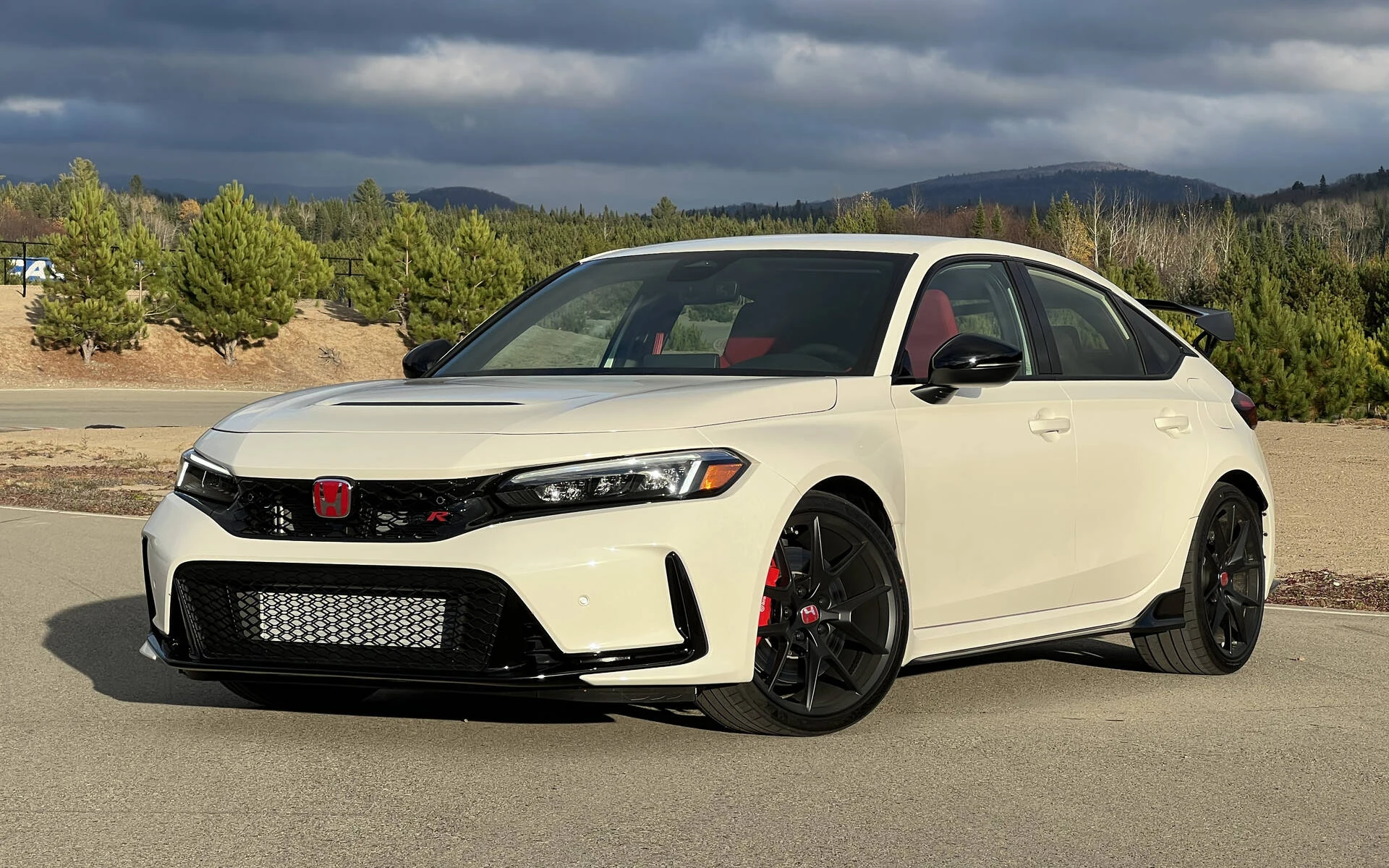
A studio photograph is designed to present a car clearly, but clarity is not the same as completeness. Controlled light and a clean background help viewers examine shape and exterior details, while the chosen angle can still hide important questions about space, condition, comfort, and everyday use.
Use the image to understand proportions
Look at the relationship between the bonnet, cabin, doors, roofline, and luggage area. A three-quarter view can show overall balance and the size of visible openings. Perspective and lens choice may exaggerate features, so avoid treating the apparent scale as a measurement.
Notice practical exterior details
Door count, mirror position, wheel design, window shape, and visible lighting elements can inform a later checklist. The photograph may also suggest where parking sensors or cameras are located, but their presence and operation should be confirmed from the specific vehicle rather than assumed from a promotional image.
Recognise what controlled lighting hides
Studio light can smooth reflections and make paint appear uniform. It cannot establish the condition of a used example, the quality of repairs, tyre wear, panel alignment, or how easily marks appear in ordinary daylight. Those points require photographs of the actual vehicle and a physical inspection.
Turn observations into test-drive questions
Use the image to prepare questions about visibility, access, seating, storage, and manoeuvring. Bring real measurements where fit matters. A useful buying decision combines the visual overview with documentation, an independent inspection where appropriate, and a test drive in realistic conditions.



Comments
Leave a Comment
Your email address will not be published. Required fields are marked *