
Symptoms of kidney stones
5 major symptoms of kidney stones and how to treat them
The causes of kidney stones can vary. Kidneys are an important organ of our body, usually the length of the kidney is 10 to 12 cm, the width is 5 to 6 cm, and the thickness is 3 to 4 cm. Shrinkage is called
One of the causes of kidney shrinkage is that sometimes due to obstructions in the blood supply the kidney tissue cannot develop and thus hypogenetic kidneys can be less than fifty percent of the size of normal kidneys, but in time Adequate treatment and better diet planning are helpful in alleviating this symptom and thus leading to good results.
1- Symptoms of kidney failure.
Kidneys are among the symptoms of shrinking.
- 6 Visual obstruction.
- 7 Having severe itching.
- 8 Recurring fever.
- 9 headache. It is the first symptom that indicates a damaged kidney.
- 10 Accumulation of fluid in the tissue thus shrinks the kidneys.
Swelling of the eyes, pain in the ankles or legs due to fluid retention does not immediately indicate the presence of a shrinking kidney. There are many other diseases that can also cause such symptoms.
5 major symptoms
2- Complications of renal failure.
If the person concerned has to go to the toilet frequently and the urge to urinate is especially strong at night, this condition is advanced kidney damage. Sometimes it can already be a sign that the kidneys will soon stop working.
If your kidney is suffering from shrinking problem, you will experience the following symptoms.
- 1 Having nausea
- 2 Vomiting
- 3 Itchy skin
- 4 Having swelling
- 5 Body pain
- 6 Back pain
- 7 Bleeding in urine
- 8 Having high blood pressure
- 9 Increased fatigue
Apart from this, the patient may complain of frequent infections and colds.
3 Causes of Kidney Shrinkage
There are two main causes of kidney stones. Hereditary and congenital factors, family relationships and lifestyle affect a pregnant woman. This disease can also be transmitted from an affected member of the family to the child. The symptoms of this disease transfer from one to another are more common and in this case, the kidneys are smaller than the normal kidney size at birth.
Acute kidney disease
These kidney problems in general are more common especially in acute kidney disease. Kidney disease can cause damage to the nephrons and glomeruli necrosis, which causes progressive kidney shrinkage. People with CKD stage, kidney failure, diabetic nephropathy, and hypertensive nephropathy are at higher risk of kidney shrinkage. .
Patient treatment.
The goal of treating kidney stones is to repair tissue damage and improve kidney function by reducing symptoms. Before planning a treatment plan for this problem, doctors perform basic tests to find out the causes of kidney shrinkage, such as CT scans and MRIs, which can help diagnose the disease.
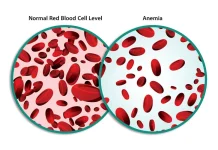
This treatment helps to promote blood circulation to deliver more blood and oxygen to the affected tissues.When the damaged glomeruli are able to heal and function again, the glomeruli begin to shrink automatically. During its treatment, high blood pressure reduction, relief from back pain and anemia etc. are being treated.
Patient diet
The patient’s diet and his lifestyle are very important in healing from any disease, that’s why caution is necessary. People suffering from kidney shrinkage should eat a low-salt, low-fat, low-potassium diet. Avoid fast food, processed and frozen foods, as most of these foods are high in salt and potassium.
Such patients need to consume adequate amounts of high-quality protein, avoid unhealthy fats, but fish oil and flaxseed are very good for their health.
Patient avoidance
Due to their dysfunction, the patient may become deficient in minerals and vitamins.
- 1 Iron deficiency anemia, and vitamin D deficiency can increase calcium absorption.
- 2 Apart from this, the patient needs to make some changes in his lifestyle.
- 3 Live a normal life by giving up smoking and all intoxicants.
- 4 Do moderate exercise daily.
- 5 Avoid flu and infections