
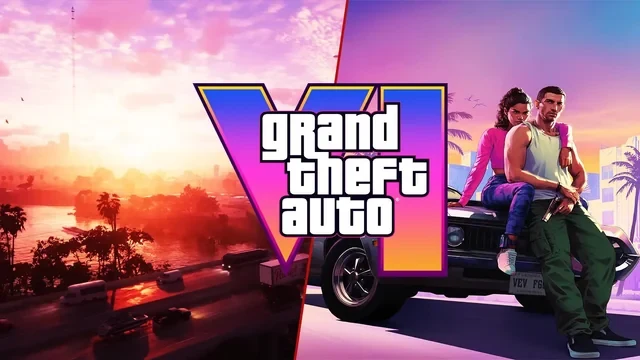
Few cultural phenomena possess the sheer gravity required to completely halt the entertainment industry's normal rhythm. When Rockstar Games sets its sights on a major launch window, the entire entertainment landscape shifts in tandem. The fierce anticipation surrounding Grand Theft Auto VI is not merely a standard byproduct of marketing hype; it is the culmination of a thirteen-year generational wait since its predecessor redefined open-world gaming.
As millions of players count down the days to step foot back into a modernized, sun-drenched Vice City, the gaming world finds itself fixated on a title that promises to rewrite the rules of interactive entertainment, pushing hardware limits and narrative boundaries to breathtaking new extremes.
The Anatomy of Unprecedented Hype
Why does GTA 6 command such an unmatched level of global attention? Part of the answer lies in Rockstar’s meticulous, uncompromising development philosophy. While most studios push out annual sequels or recurring franchise updates to maintain constant revenue streams, Rockstar operates on a timeline of staggering ambition, allowing hardware technology, artificial intelligence, and cinematic narrative design to mature substantially between releases.
The cultural footprint of Grand Theft Auto V—which famously spanned three console generations and sold over 230 million copies worldwide—created an almost impossible legacy to follow. Yet, every scrap of official media, from atmospheric teaser trailers to deep dives into the fictional state of Leonida, has proven that the developer is once again aiming for an entirely new tier of fidelity.
The decision to feature dual protagonists—Jason and Lucia—channels a modern, high-stakes Bonnie and Clyde dynamic. This narrative framing introduces fresh emotional stakes, deeper character interplay, and dynamic storytelling angles that previous entries in the satirical franchise have only scratched the surface of, seamlessly blending gritty cinematic drama with the series' trademark dark humor and social commentary.
Technical Ambition and Living Open Worlds
Beyond the headlines and character dynamics, the primary driver of the GTA 6 frenzy is the promise of a true technical revolution. Modern open-world games often struggle with the illusion of life, frequently populating sprawling cities with static non-player characters who follow rigid, predictable routines. Rockstar, however, is aiming for a level of micro-simulation that borders on obsessive.
Industry reports and technical breakdowns point toward an astonishingly reactive, breathing environment:
Dynamic Ecosystems: From advanced wildlife behaviors in rural expanses like Mount Kalaga to bustling, dense traffic grids that realistically mimic peak rush-hour congestion and pedestrian crowding.
Environmental Interactivity: Enhanced physics engines where vehicle handling feels heavier, more grounded, and sensitive to terrain; weather systems like violent tropical storms actively reshape how players navigate the world; and indoor spaces are rendered with incredible depth using advanced mapping techniques.
AI and Pedestrian Realism: Citizens in the game world react organically and unpredictably to player actions, creating emergent gameplay scenarios that make the digital sandbox feel genuinely alive rather than scripted.
These engineering feats require immense computing power and innovative software architecture, which explains why the gaming community has closely monitored every hardware specification announcement leading up to launch.
Economic and Cultural Aftershocks
The ripple effects of a release this monumental extend far beyond traditional gaming circles. Hollywood studios, streaming platforms, and major entertainment franchises routinely adjust their release calendars to avoid stepping into the "blast radius" of a blockbuster launch that threatens to consume global media attention for weeks on end.
Economists and entertainment analysts often model these massive product launches for their temporary yet profound shifts in consumer habits and cultural mindshare. When a piece of interactive media becomes an all-encompassing social event, it demonstrates how far video games have traveled—morphing from a niche pastime into the undisputed apex predator of modern pop culture and global entertainment revenue.
FAQs:
What is the setting of Grand Theft Auto VI?
The game takes place in the fictional state of Leonida, which heavily features a modernized, neon-soaked rendition of Vice City alongside sprawling swamplands, keys, and diverse rural parks.
Who are the main playable characters?
Players step into the shoes of a criminal duo named Lucia and Jason, whose story draws heavy inspiration from classic outlaw narratives like Bonnie and Clyde.
Why has the wait for this game been so long?
Rockstar’s development cycle has stretched across more than a decade due to the immense scale, unprecedented technical complexity, and deep graphical fidelity required to build a next-generation open world of this magnitude.
How is the gaming industry reacting to the release?
Major entertainment sectors—including film studios and streaming networks—frequently treat major Rockstar launch windows as a massive gravitational pull, spacing out alternative media releases to avoid competing with the game's overwhelming cultural dominance.
The Threshold of a New Era
As the gaming community stands on the precipice of release day, the excitement feels palpable and distinct. Grand Theft Auto VI represents more than just another sequential sequel; it is a milestone marker for what interactive software can achieve when given uncompromised time, talent, and resources. Whether it succeeds in completely redefining our expectations of virtual sandboxes remains to be fully experienced, but one thing is certain: the entire entertainment world is watching, waiting to see history unfold.






Comments
Leave a Comment
Your email address will not be published. Required fields are marked *