
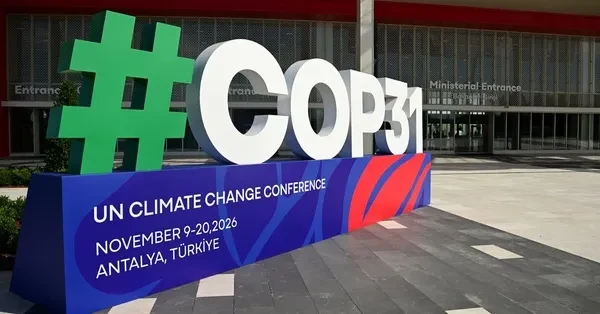
As the international community gathers in Antalya, Turkey, for the United Nations Climate Change Conference, a pervasive sense of urgency and skepticism hangs in the air. Decades of annual summits, landmark agreements, and soaring political rhetoric have created a complex architecture of global climate governance. Yet, carbon emissions continue to challenge environmental thresholds, and extreme weather events batter vulnerable communities across every continent.
With the global climate dialogue entering a critical phase, the central question remains: can current international commitments finally transcend boardroom promises and deliver real, measurable environmental change?
Moving From Pledges to Implementation
For years, the narrative surrounding global climate summits focused heavily on ambition—setting higher targets, committing to net-zero horizons, and signing aspirational declarations. However, the mood has shifted decisively toward accountability and enforcement. Observers, scientists, and civil society groups are no longer satisfied with long-term promises scheduled for decades down the line. The demand is for immediate, transparent implementation.
The framework guiding these negotiations relies heavily on updated Nationally Determined Contributions (NDCs). As countries submit successive rounds of reduction targets, the core challenge is closing the yawning gap between what nations promise on paper and the hard emissions trajectories dictated by science. Without robust domestic policy enforcement, financial accountability, and legally binding mechanisms, high-profile pledges risk remaining hollow exercises in green diplomacy.
The Persistent Hurdles: Finance, Fossil Fuels, and Equity
Turning commitments into reality requires confronting deep structural roadblocks that have stalled progress for generations. Chief among these is climate finance. Developing nations—which bear the brunt of ecological degradation despite contributing the least to historical emissions—require massive economic support to transition toward clean energy and build resilient infrastructure.
Discussions around funding mechanisms, loss-and-damage compensation, and private sector mobilization remain heavily contested. Wealthy nations frequently fall short of their financial promises, creating a deep trust deficit between the Global North and the Global South. Furthermore, phasing out fossil fuels remains a contentious battleground. While renewable energy capacity is expanding at record speeds globally, geopolitical tensions, energy security concerns, and economic dependencies continue to prop up coal, oil, and gas investments.
The Role of Innovation and Local Action
While international summits provide the stage, real environmental change increasingly happens at the intersection of technological innovation and grassroots action. Emerging advancements in green industrialization, circular economies, smart urban planning, and large-scale grid electrification are proving that sustainable economic models are viable.
Moreover, cities, indigenous groups, and local municipalities are bypassing bureaucratic gridlock by implementing localized climate adaptation strategies. These bottom-up initiatives demonstrate that structural transformation does not have to wait for top-down consensus; local communities are often leading the charge in ecosystem restoration and carbon reduction.
Frequently Asked Questions (FAQ)
1. What is the primary focus of COP31?
The core focus centers heavily on the implementation of existing climate commitments, shifting the global agenda from setting future targets to enforcing real-world accountability, enhancing climate finance, and accelerating green transitions.
2. Why is there growing skepticism around global climate pledges?
Skepticism persists because historical greenhouse gas emissions continue to rise despite decades of international summits, and many nations struggle to close the gap between their long-term promises and immediate policy actions.
3. What role does climate finance play in these negotiations?
Climate finance is crucial for helping developing nations fund their clean energy transitions, adapt to worsening climate impacts, and address loss and damage caused by environmental disasters.
4. Can local actions make a difference without global treaties?
Yes. While international treaties set overarching legal and financial frameworks, local municipalities, businesses, and grassroots communities drive immediate, practical environmental changes through localized sustainability and resilience projects.





Comments
Leave a Comment
Your email address will not be published. Required fields are marked *