
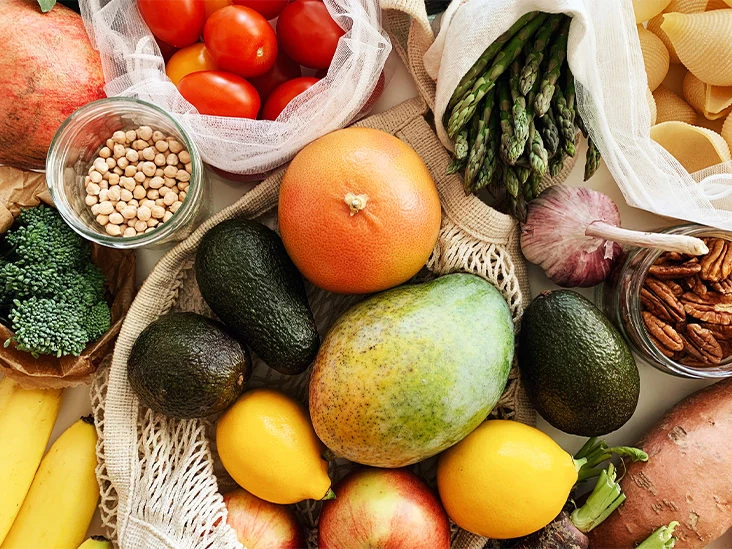
A colourful fruit and vegetable basket can make everyday meals more varied, convenient, and appealing. But buying more types of produce is useful only when the household can store, prepare, and eat them before they spoil.
A practical approach is to plan around meals you already make, choose produce with different colours and textures, combine quick-use foods with longer-lasting options, and buy quantities that match your household.
How Do You Choose Fruits and Vegetables for the Week?
Start with meals you are genuinely likely to prepare during the coming week. Identify the fruits and vegetables those meals already require before adding extra produce simply for variety.
Then introduce one or two versatile ingredients that can work across several meals. For example, a vegetable that works in a salad, soup, sandwich, or cooked dish is generally easier to use than an ingredient purchased for only one recipe.
This approach creates more variety without completely changing your normal meal routine.
Why Choose Different Colours and Textures?
Different colours, flavours, and textures can make familiar meals feel less repetitive.
Consider a practical combination of leafy, crisp, soft, firm, and naturally colourful produce. These characteristics provide more options for salads, snacks, soups, side dishes, and cooked meals.
There is no need to create a perfect colour checklist for every shopping trip. The objective is to build a produce basket that provides useful combinations for several meals.
Which Produce Should You Eat First?
Plan to use more delicate or ripe produce earlier and save suitable longer-lasting ingredients for later in the week.
Leafy vegetables, herbs, berries, and very ripe fruit may require earlier attention, while certain root vegetables, citrus fruits, and firmer produce may remain usable longer when stored appropriately.
Actual storage life varies according to the ingredient, its condition when purchased, and how it is stored, so check produce regularly rather than relying only on a fixed number of days.
How Can You Reduce Fruit and Vegetable Waste?
Buy quantities based on the number of people in the household and how frequently the ingredients are actually eaten.
A large package is not automatically better value when some of its contents eventually go into the bin. When trying an unfamiliar fruit or vegetable, purchasing a modest quantity first can reduce waste if nobody enjoys it.
Keep a simple mental or written record of what was finished, what remained, and which preparation methods worked well. Use that information when planning the next grocery shop.
How Should Fresh Produce Be Stored?
Different fruits and vegetables have different storage requirements. Some perform better under refrigeration, while others may be suitable for cool, dry, or room-temperature storage.
Follow appropriate storage guidance for the particular ingredient and check produce regularly for deterioration. Remove spoiled items when necessary so they do not unnecessarily affect nearby food.
Organising the refrigerator or storage area so that quick-use produce remains visible can also reduce the chance of ingredients being forgotten.
Turn Leftover Produce Into Your Next Shopping Plan
Unused produce provides useful information about your household's shopping and eating habits.
Repeated leftovers may indicate that the quantity was too large, preparation required too much time, meal plans changed, or the ingredient simply was not popular.
Instead of continually buying the same amount, adjust the next shopping list. Over time, this creates a more realistic fruit and vegetable routine with less unnecessary food waste.
Frequently Asked Questions
How can I add more variety to my fruit and vegetable shopping?
Start with produce used in your regular meals, then add one or two versatile ingredients with different colours, flavours, or textures.
Should I buy fruits and vegetables for the entire week?
That depends on the produce, household size, storage conditions, and shopping routine. Balance ingredients that need to be eaten relatively quickly with suitable longer-lasting options.
Is buying produce in bulk cheaper?
Sometimes, but only when the food is actually consumed. A lower unit price does not save money if a significant portion spoils before it can be eaten.
What should I do with vegetables left at the end of the week?
If they remain safe and suitable to eat, incorporate them into appropriate meals. More importantly, use repeated leftovers as information for adjusting quantities on your next shopping trip.
How can I prevent fresh produce from being forgotten?
Keep frequently used and quick-use ingredients visible, organise storage clearly, and plan which produce should be eaten earlier in the week.
For households or workplaces where food is prepared or shared, the surrounding environment also matters; modern office glass partitions can help define separate areas while maintaining natural light and an open interior.








Comments
Leave a Comment
Your email address will not be published. Required fields are marked *