
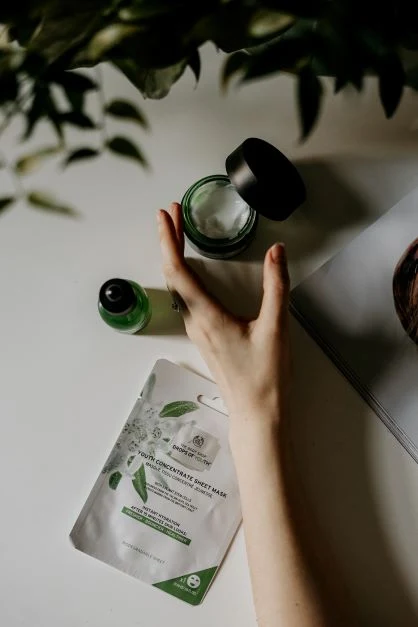
Sheet masks are single-use face masks soaked in a serum or essence. Depending on their ingredients, they can temporarily hydrate the skin and complement a regular skin-care routine. They are not a replacement for cleansing, moisturizing, sun protection or treatment recommended by a dermatologist.
What can a sheet mask do for your skin?
The main benefit of many sheet masks is temporary hydration. The sheet helps hold the product against the skin while ingredients in the serum provide moisture and skin-conditioning effects. Results vary according to the formula, your skin type and how your skin responds to its ingredients.
Look for ingredients that suit your skin
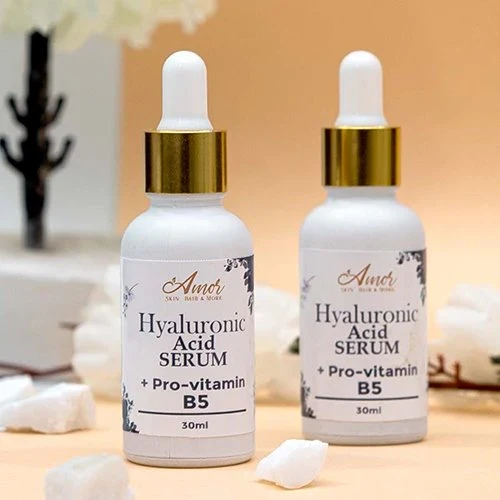
For dry or dehydrated skin, formulas containing humectants such as hyaluronic acid or glycerin can help attract and retain moisture. Ingredients such as ceramides may also support the skin barrier. A mask does not need a long list of active ingredients to be useful.
If your skin is sensitive, check the ingredient list carefully. Fragrance and some active ingredients can irritate certain people. A product that works well for one person may not be suitable for another.
How to use a sheet mask
Start with clean skin and apply the mask according to the instructions on its packaging. Leave it on only for the recommended amount of time rather than assuming that longer use will produce better results. After removing it, follow the product directions about whether the remaining serum should be gently absorbed, removed or followed with moisturizer.
How often you use a sheet mask should also depend on the product instructions, its ingredients and your skin. There is no single schedule that is appropriate for every mask or every person.
Can sheet masks replace your normal skin-care routine?
No. A sheet mask is an optional addition to skin care, not the only solution for healthy skin. A basic routine may include gentle cleansing, an appropriate moisturizer and broad-spectrum sun protection during the day. People with persistent acne, rashes or other skin problems should seek appropriate medical advice rather than relying on cosmetic masks as treatment.
Watch for irritation
Stop using a mask if it causes significant burning, itching, stinging, swelling or another unwanted reaction. If you have sensitive skin, testing a new product cautiously and choosing formulas designed for your skin type can reduce the chance of irritation.
Sheet masks can be a convenient way to add temporary hydration to your routine, but their benefits depend on the formulation. Choosing suitable ingredients and following the product directions is more important than using a particular brand or following a fixed masking schedule.


Comments
Leave a Comment
Your email address will not be published. Required fields are marked *