
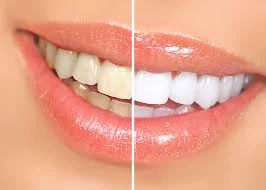
Teeth can become darker or stained because of foods, drinks, tobacco, ageing, medications or changes within the tooth. Whitening can improve some types of discoloration, but not every stain responds in the same way.
Start With Oral Hygiene
Brush with fluoride toothpaste and clean between the teeth regularly. Professional dental cleaning can remove plaque, tartar and some external staining, although cleaning itself is not the same as bleaching teeth.
Whitening Toothpaste
Whitening toothpastes mainly help remove surface stains. They generally do not change the internal colour of teeth as much as peroxide-based bleaching products can.
Over-the-Counter Whitening
Whitening strips and gels can contain peroxide-based ingredients. Follow the product directions carefully because overuse can contribute to tooth sensitivity or gum irritation.
Professional Whitening
A dentist can determine whether whitening is appropriate and discuss professional or take-home options. Existing fillings, crowns and veneers generally do not whiten like natural teeth.
Avoid Harsh Home Remedies
Acidic substances and abrasive DIY methods can damage enamel or irritate oral tissues. Products such as vinegar or aggressive charcoal treatments should not be treated as harmless alternatives to established dental care.
See a Dentist When Needed
A single dark tooth, unexplained discoloration, pain or other dental symptoms should be assessed before attempting cosmetic whitening.



Comments
Leave a Comment
Your email address will not be published. Required fields are marked *