
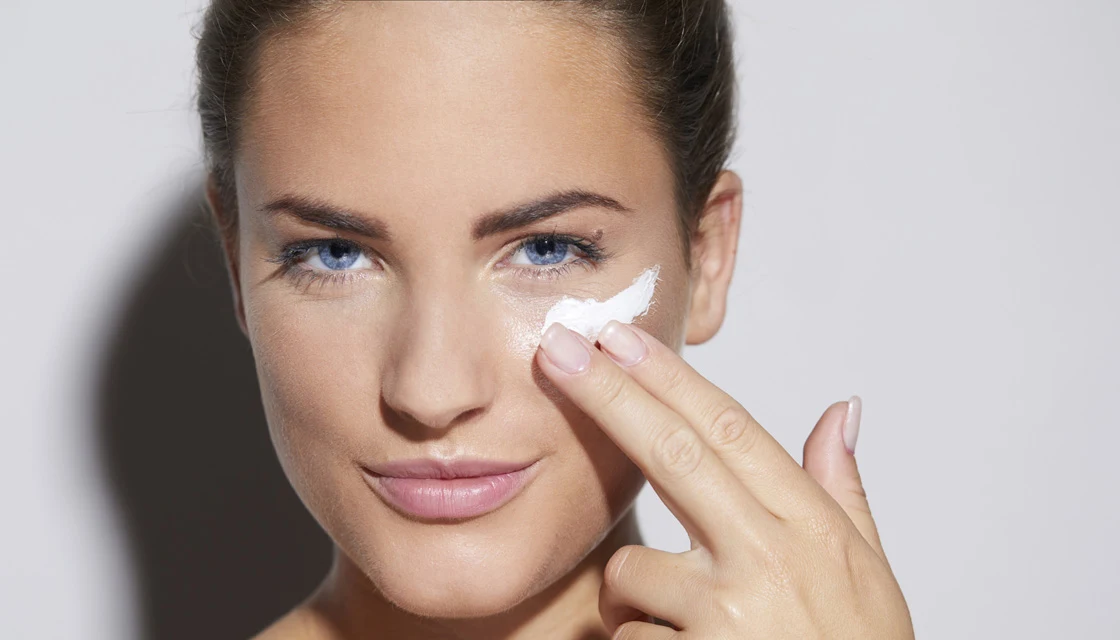
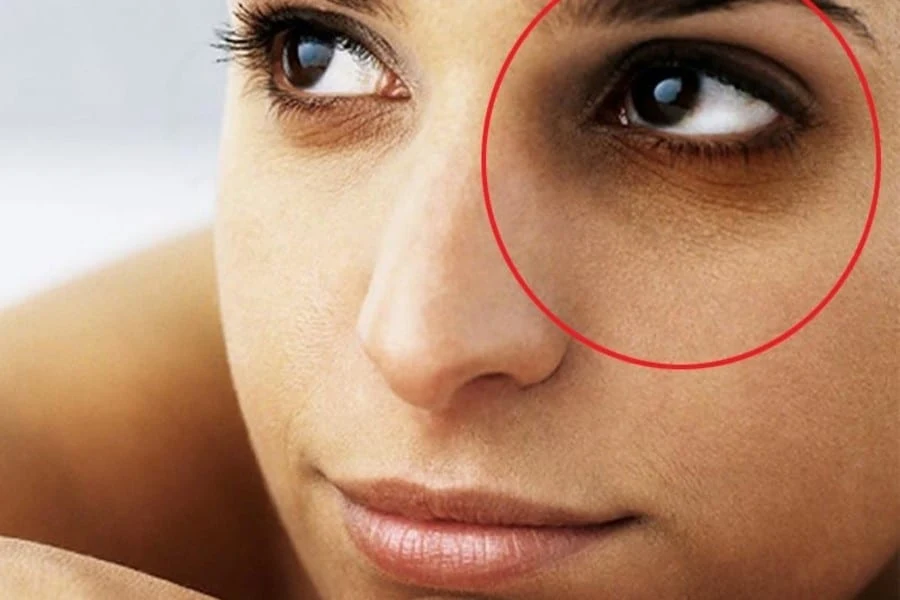
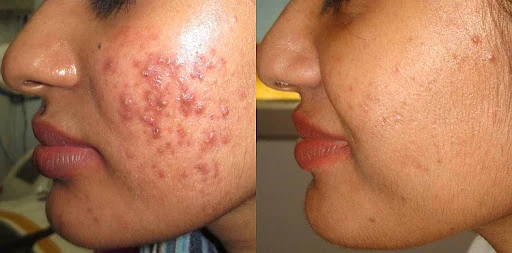
Dark spots or areas of uneven pigmentation can develop for many reasons, including sun exposure, inflammation, acne, hormonal changes and skin injury.
Avoid Harsh DIY Treatments
Repeatedly applying lemon juice, vinegar or other acidic household ingredients can irritate skin. Irritation itself can sometimes worsen discoloration, particularly in people prone to post-inflammatory hyperpigmentation.
Sun Protection
Sun exposure can make some forms of pigmentation more noticeable. Broad-spectrum sunscreen, shade and protective clothing can form an important part of a skin-care plan.
Use Gentle Skin Care
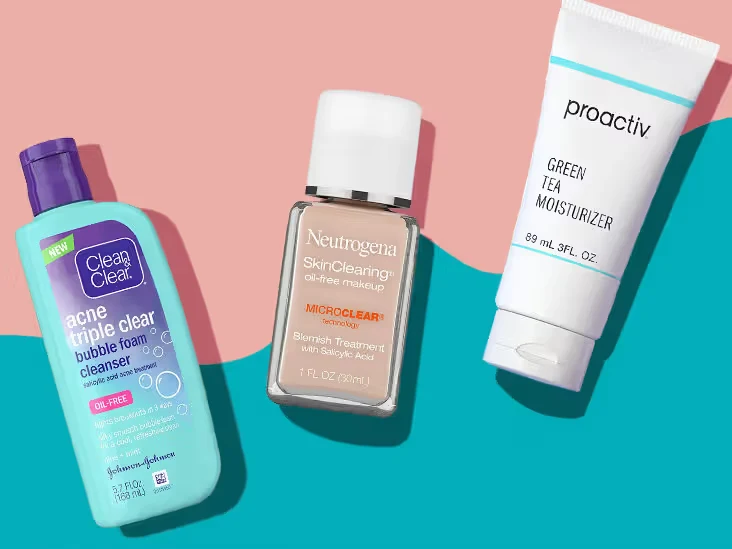
Choose products that do not repeatedly sting or irritate the skin. Introducing one new product at a time can make reactions easier to identify.
Treatment Depends on the Cause
Different forms of pigmentation may require different approaches. Products used for one condition may be ineffective or irritating for another.
When to Get Medical Advice
A new, changing or unusual pigmented area should not automatically be treated as a cosmetic dark spot. A dermatologist can assess persistent pigmentation and recommend treatment appropriate for the cause.


Comments
Leave a Comment
Your email address will not be published. Required fields are marked *