

Education can develop knowledge, practical skills and critical thinking while giving people more opportunities to participate in work and society. Its value extends beyond examinations and qualifications.
Personal development
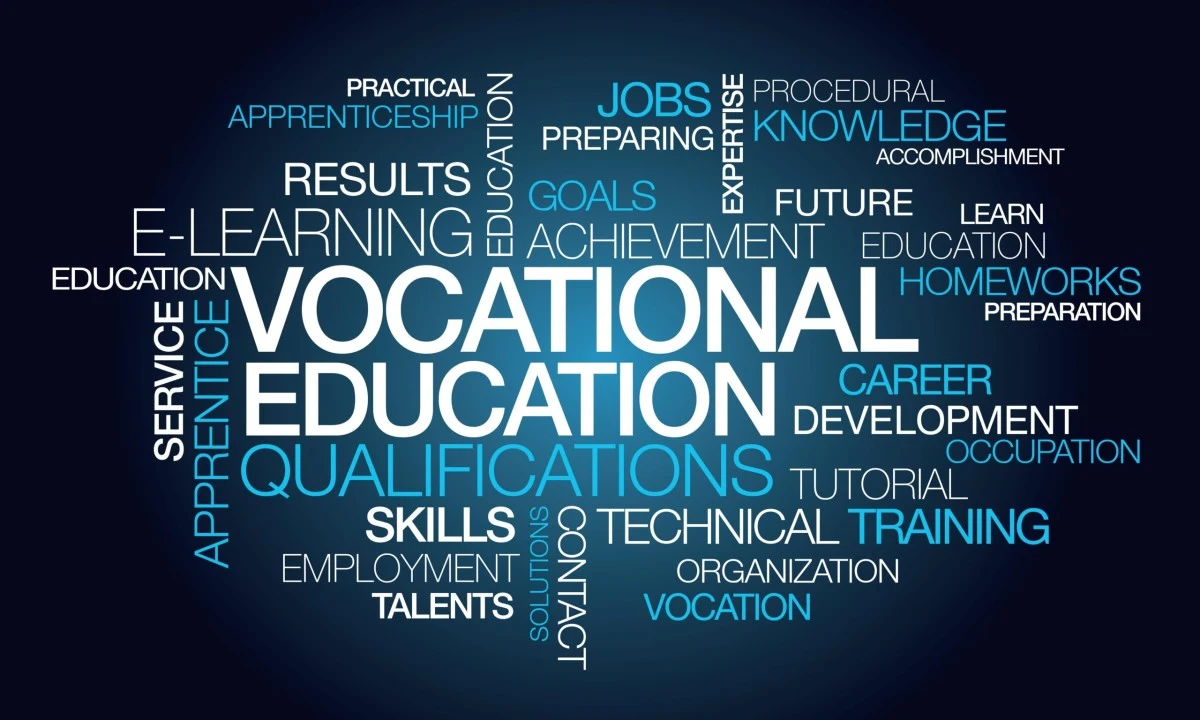
Learning can strengthen communication, problem-solving and the ability to evaluate information. Schools, colleges, vocational programmes and independent learning can also help people discover interests and build useful skills.
Employment and economic opportunity
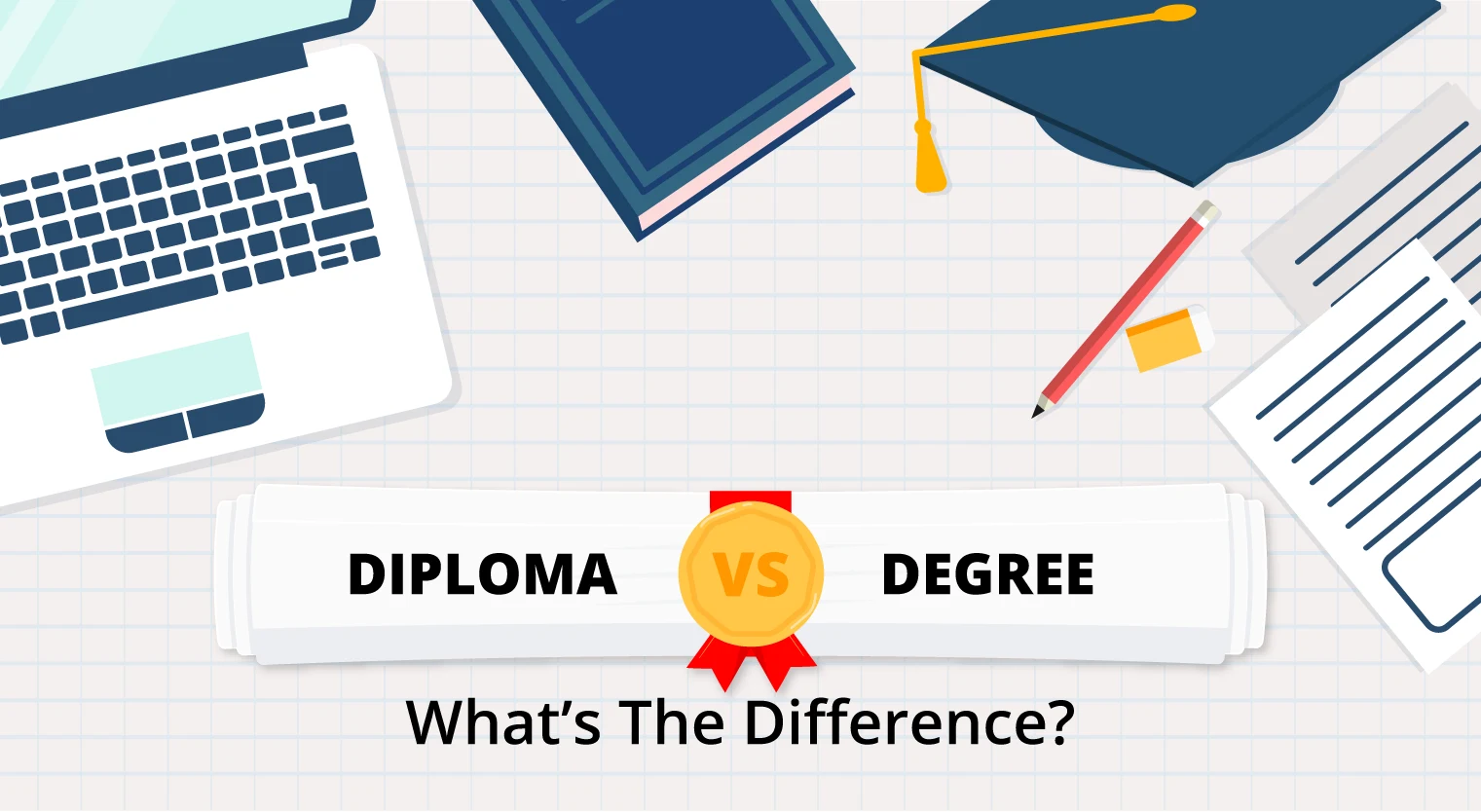
Education and training can improve access to many occupations, although qualifications alone do not guarantee employment or income. Practical experience, labour-market conditions and relevant skills also matter.
Communities and participation
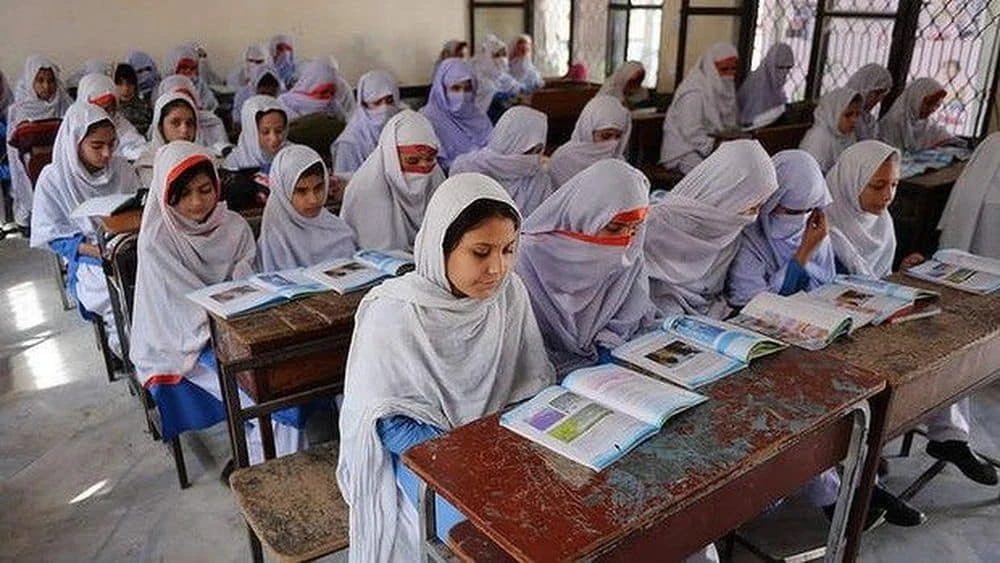
Access to education can help people understand institutions, communicate across different backgrounds and participate more effectively in their communities. The benefits depend partly on educational quality, affordability and equal access.
Lifelong learning
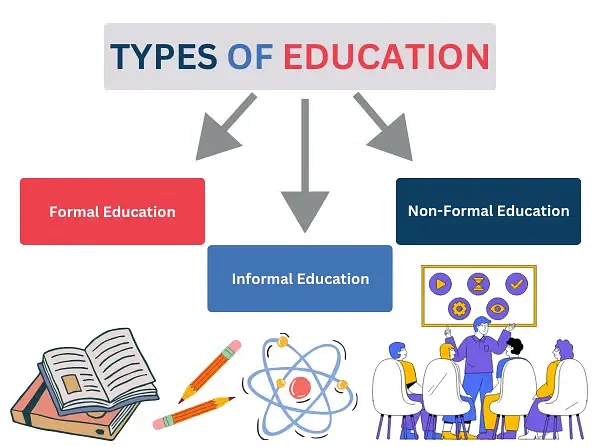
Education does not end with formal schooling. Technology, workplaces and industries change, making continued learning useful throughout adulthood. Courses, professional training, reading and practical experience can all contribute.
Education is therefore best understood as a continuing process that can expand knowledge and opportunity for individuals while contributing to broader social and economic development.

Comments
Leave a Comment
Your email address will not be published. Required fields are marked *