
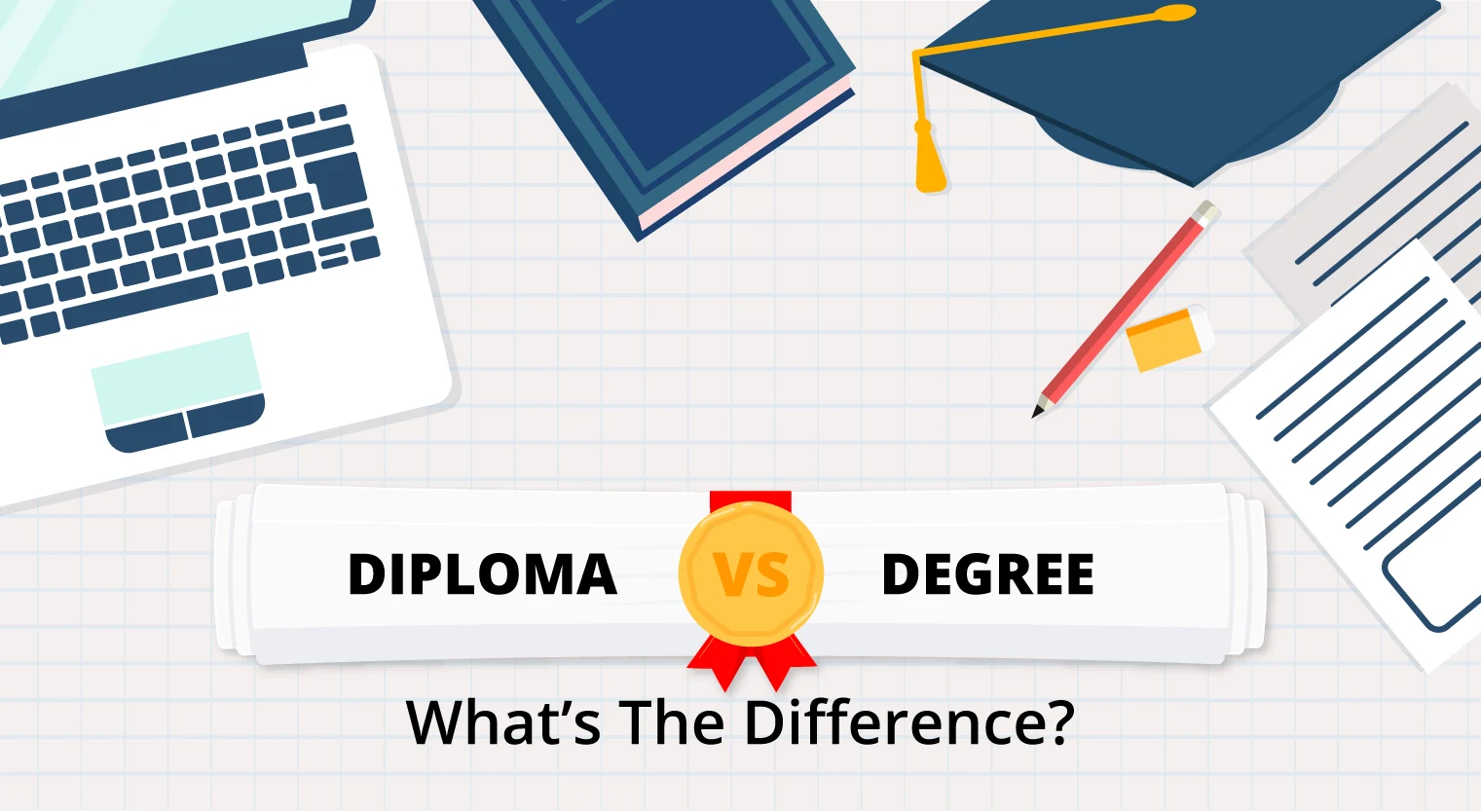
Are Degrees and Diplomas Identical? An In-Depth Comparison
When considering options for higher education, you may come across both degrees and diplomas. While these terms are frequently used interchangeably, they actually denote different types of qualifications. Grasping their distinctions can assist you in making well-informed choices regarding your educational and professional trajectories.
Understanding Degrees
A degree is generally defined as an academic credential conferred by a college or university upon the completion of a designated program. Degrees are typically divided into four categories: associate’s, bachelor’s, master’s, and doctoral levels. Each category represents varying levels of study and expertise.
- Associate’s Degree: This is usually a two-year program provided by community colleges or technical institutions. It often serves as a pathway to a bachelor’s degree or as a qualification for certain entry-level positions.
- Bachelor’s Degree: This four-year program is awarded by universities and signifies a thorough understanding of a specific field. It is often a prerequisite for numerous professional careers.
- Master’s Degree: Following the attainment of a bachelor’s degree, students may opt to pursue a master’s degree, which entails advanced study and research. Completing this degree typically takes one to two years.
- Doctoral Degree: As the highest academic qualification, such as a Ph.D., this degree involves extensive research and aims to contribute new insights to a particular field. Achieving this level often requires several years of dedicated study.
Examining Diplomas
A diploma is generally understood as a qualification granted by educational institutions like trade schools, technical colleges, or specialized training centers. Diplomas tend to emphasize practical skills and job readiness rather than theoretical academic knowledge.
- Diploma Programs: These programs are often shorter in length compared to degree programs, ranging from a few months to two years. They are designed to impart specific skills relevant to a particular career.
- Professional Diplomas: These advanced qualifications are aimed at individuals who already possess a degree and wish to acquire specialized skills or knowledge in a certain area.
Primary Differences
- Duration and Depth: Degrees usually necessitate a longer study period and involve a more extensive academic framework. In contrast, diplomas are shorter and concentrate more on practical skills.
- Academic vs. Practical Emphasis: Degrees prioritize theoretical knowledge and critical thinking, preparing students for a broad spectrum of careers or further academic pursuits. Diplomas, on the other hand, focus on practical skills and training, often tailored to specific sectors.
- Career Pathways: Degrees are frequently essential for professions that require extensive education, such as medicine, engineering, or academia. Diplomas can lead to careers that require specialized skills but do not necessarily demand a full degree, such as those in technology or creative fields.
- Financial and Time Commitment: Degrees typically require a larger financial and time investment due to their length and depth. Diplomas, being shorter in duration, often incur lower costs and can provide a quicker entry into the job market.
Commonalities
Despite their differences, both degrees and diplomas aim to equip individuals with essential knowledge and skills. They can create pathways to career opportunities and personal growth. Both types of qualifications can enhance your resume and increase your competitiveness in the job market.
Which Option is Best for You?
Deciding between a degree and a diploma hinges on your career aspirations, time availability, and financial circumstances. If you are looking for comprehensive knowledge and intend to pursue advanced careers or further education, a degree may be the more suitable choice. Conversely, if your goal is to quickly gain specific skills and enter the workforce, a diploma might be the better fit.
In conclusion, while degrees and diplomas serve as educational credentials, they cater to different needs and objectives. Degrees offer a broad and profound academic foundation, whereas diplomas concentrate on practical skills and targeted training. By comprehending these differences, you can make a more educated decision regarding your educational journey and career goals.





Comments
Leave a Comment
Your email address will not be published. Required fields are marked *