
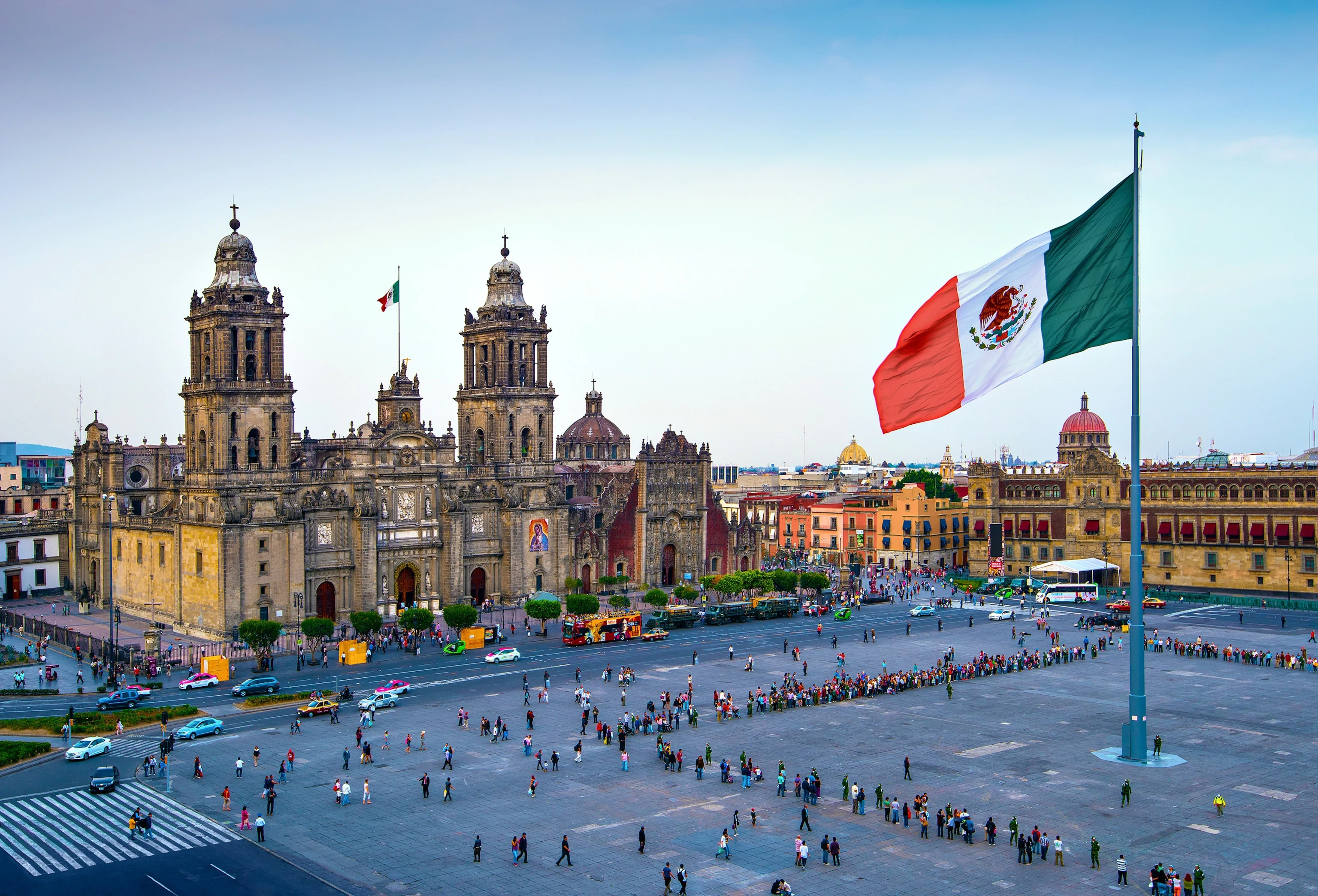
Read a historic public square through its buildings, movement, monuments, civic uses, changing edges, and everyday public life.
Start with the open space itself
A public square is defined by more than the façades around it. Its size, surface, entrances, shade, seating, and uninterrupted areas show what kinds of gatherings and movement it can support. Observe how people cross it before studying individual monuments.
Read the buildings as institutions
Religious, civic, commercial, and residential buildings often share the edge of a historic square. Their scale and entrances express different relationships with public life. Look for which buildings dominate long views and which depend on activity at street level.
Notice ceremony and everyday use
A square may host national events, worship, protest, tourism, informal meeting, transport, and routine work. These uses can overlap or compete. Temporary barriers, stages, markets, and security arrangements reveal how flexible the space is in practice.
Look for layers rather than one date
Historic centres accumulate rebuilding, repair, changing street levels, new services, and altered uses. A coherent view may contain architecture from several periods. Reading those layers is more informative than assigning the entire square to a single moment.
Consider who can use the space comfortably
Shade, crossings, accessible routes, public transport, toilets, seating, and policing all shape participation. A monumental setting can be visually impressive while remaining difficult for some people to use. Good public-space observation includes both symbolism and ordinary comfort.
A practical next step
Use these ideas as a starting framework, then verify the details that depend on location, access, products, weather, regulations, or personal circumstances. A useful plan stays specific to the real setting and changes when better information becomes available.
Comments
Leave a Comment
Your email address will not be published. Required fields are marked *