
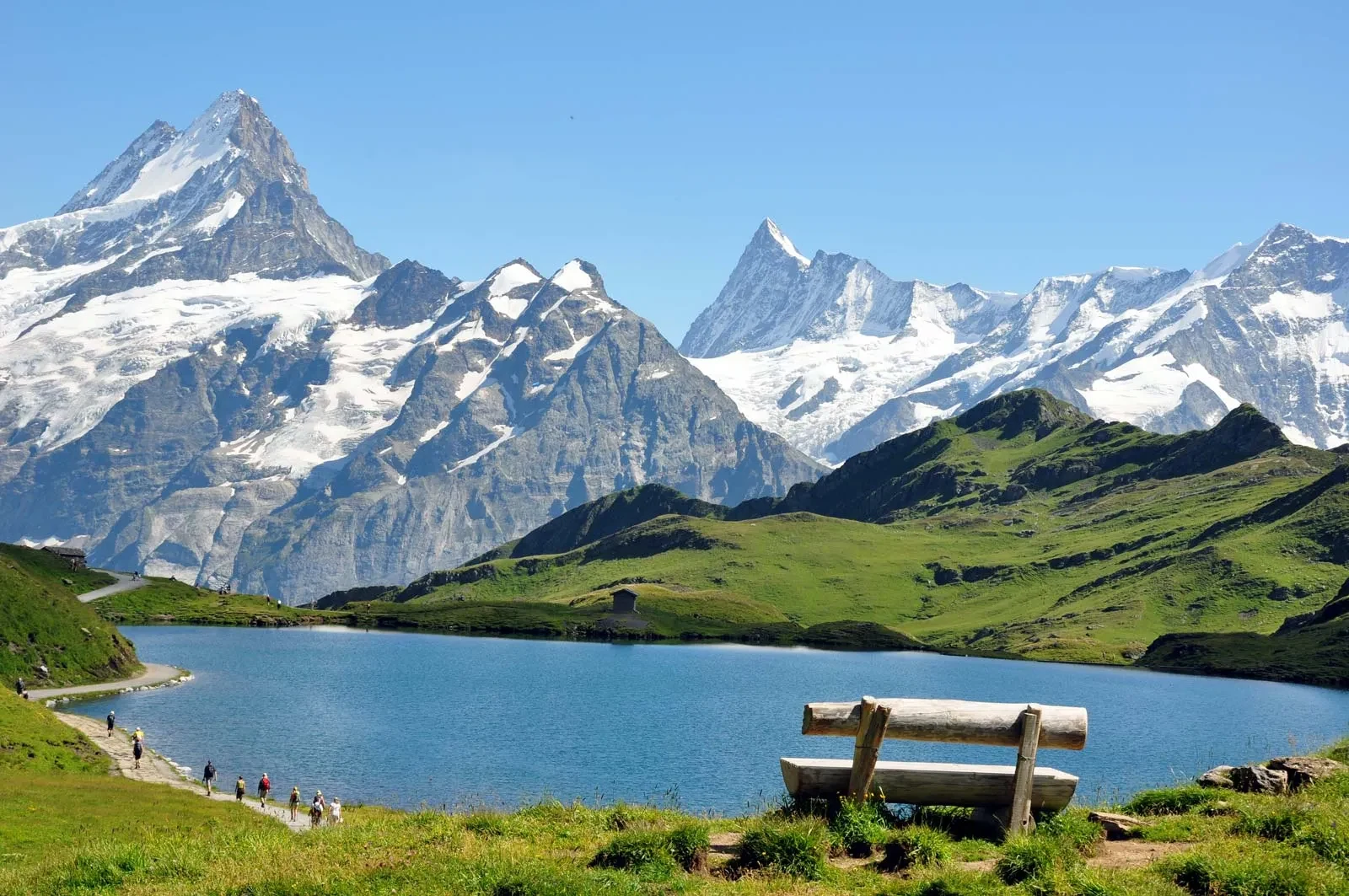
Plan a mountain lake walk around realistic distance, changing weather, group ability, navigation, and time to return safely.
Choose the walk, not just the photograph
A beautiful lake can be reached by anything from a level path to a demanding mountain route. Compare distance, elevation, surface, and access with the experience of the group. A shorter route completed comfortably usually creates a better day than an ambitious plan that leaves no margin.
Check current local conditions
Mountain weather and trail access can change quickly. Consult current information from park authorities, accommodation hosts, or established trail managers before setting out. Note daylight, transport cut-off times, and any closures rather than relying on an old photograph or itinerary.
Pack for pauses as well as movement
Walking generates warmth, but exposed viewpoints and lakeshores can feel cold during a stop. Carry layers, water, food appropriate to the outing, and basic protection from sun or rain. Equipment should match the route; carrying more does not replace knowing how to use it.
Set a pace the whole group can sustain
The person finding the walk hardest should help determine the pace. Regular brief pauses make it easier to assess energy, weather, and time. Agree in advance that turning back is a normal decision, not a failed trip, when conditions or the group change.
Protect the landscape
Stay on established paths, keep a respectful distance from animals, and take all waste away. Avoid entering fragile shorelines simply to recreate a view. A careful visit leaves the route, water, and quiet of the place intact.
A practical next step
Use these ideas as a starting framework, then verify the details that depend on location, access, products, weather, regulations, or personal circumstances. A useful plan stays specific to the real setting and changes when better information becomes available.





Comments
Leave a Comment
Your email address will not be published. Required fields are marked *