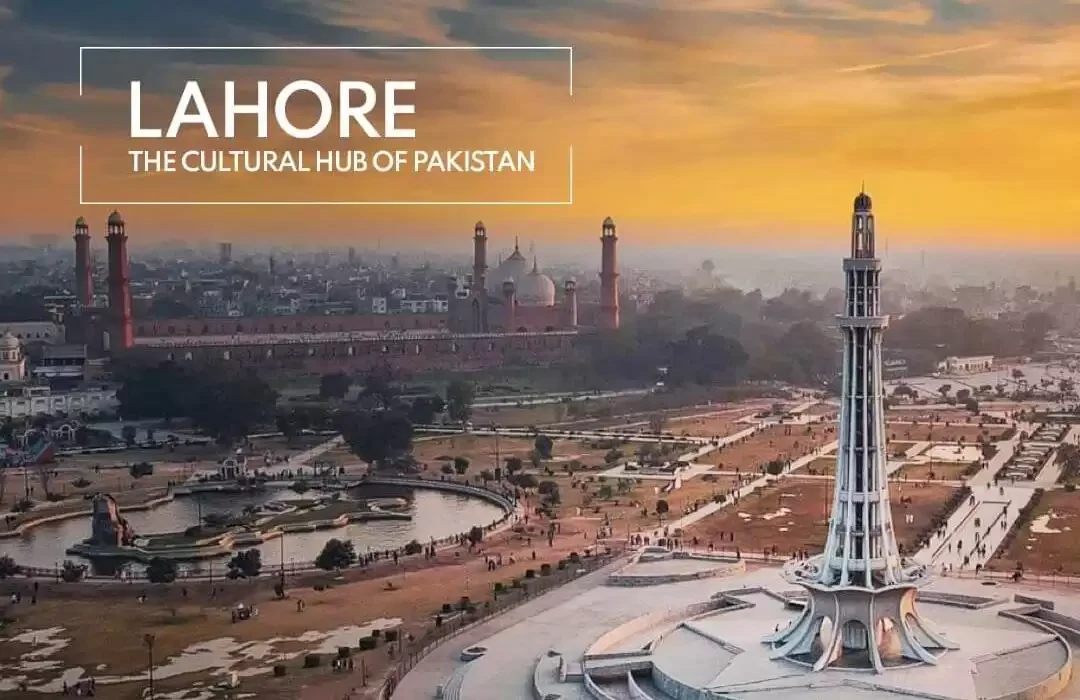
A history-focused visit becomes more meaningful when places are connected by context rather than treated as a checklist. Lahore offers many layers of urban and cultural history, so planning should begin with a manageable theme and enough time to observe each setting carefully.
Define the purpose of the visit
Choose whether the itinerary will concentrate on architecture, public spaces, museums or a particular historical period. A clear focus helps travellers decide what deserves more time and which additional stops can remain optional.
Use reputable institutional or official sources to confirm opening information, access rules and current visitor guidance. Practical details can change, while the historical background should be checked against reliable references rather than repeated from unsourced travel captions.
Build a route, not a checklist
Group nearby places together and leave realistic time for movement between them. A shorter route with careful observation often provides more understanding than a rushed day built around the greatest possible number of stops.
Make room for breaks and unexpected closures, especially when a visit depends on timed entry or local conditions. Keeping a secondary option nearby can preserve the day without turning the schedule into a race.
Record context respectfully
Notes and photographs are more useful when they capture why a place matters, not only how it looks. Visitors should respect posted photography rules, active places of worship and the privacy of people using public spaces.
After the visit, organise notes by theme and verify uncertain details before sharing them. This turns a short trip into a more accurate personal record and reduces the chance of passing along misleading historical claims.