
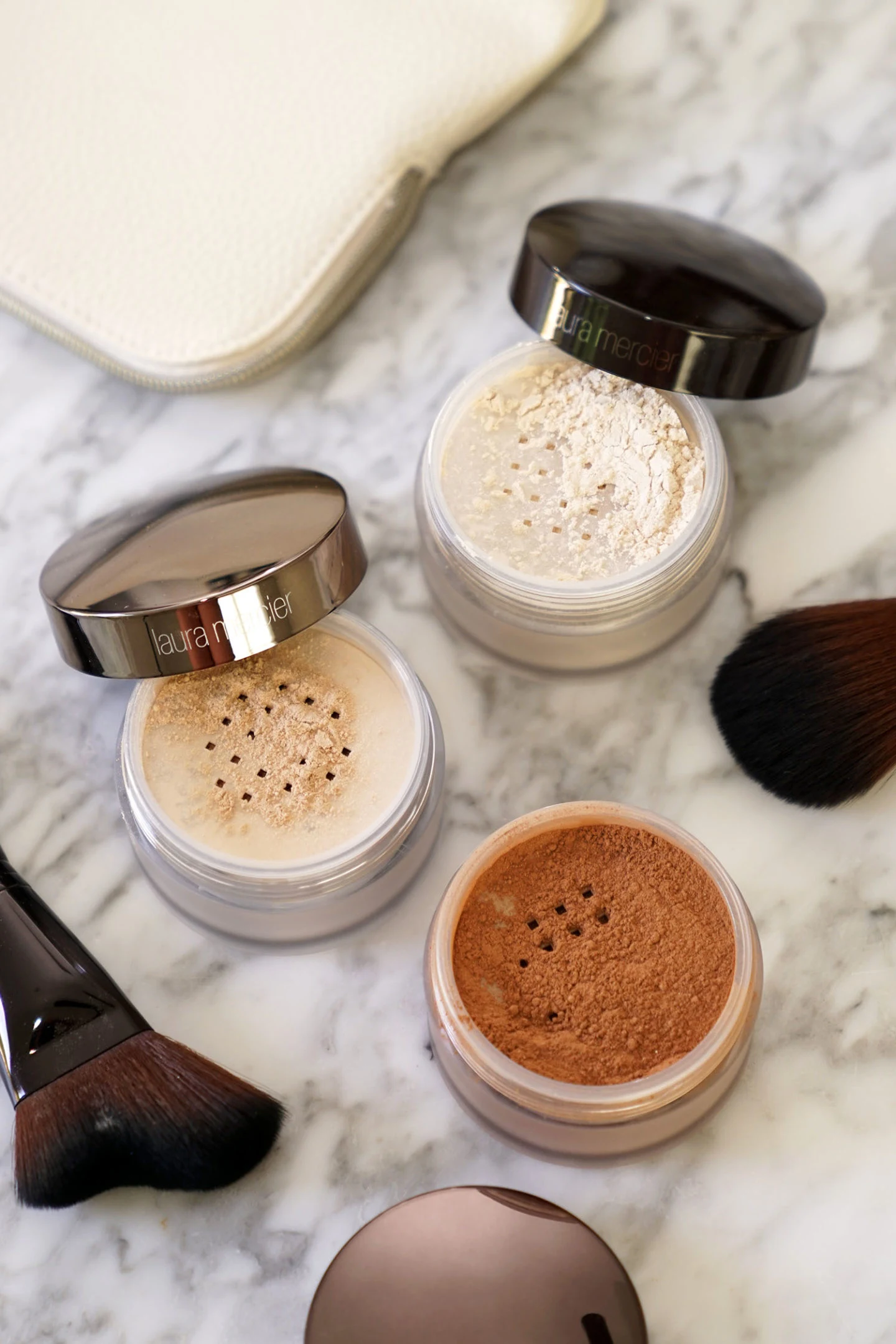
Concealer and powder can help create a more even-looking makeup finish when they are applied lightly and matched to your skin and foundation.
Choosing a concealer
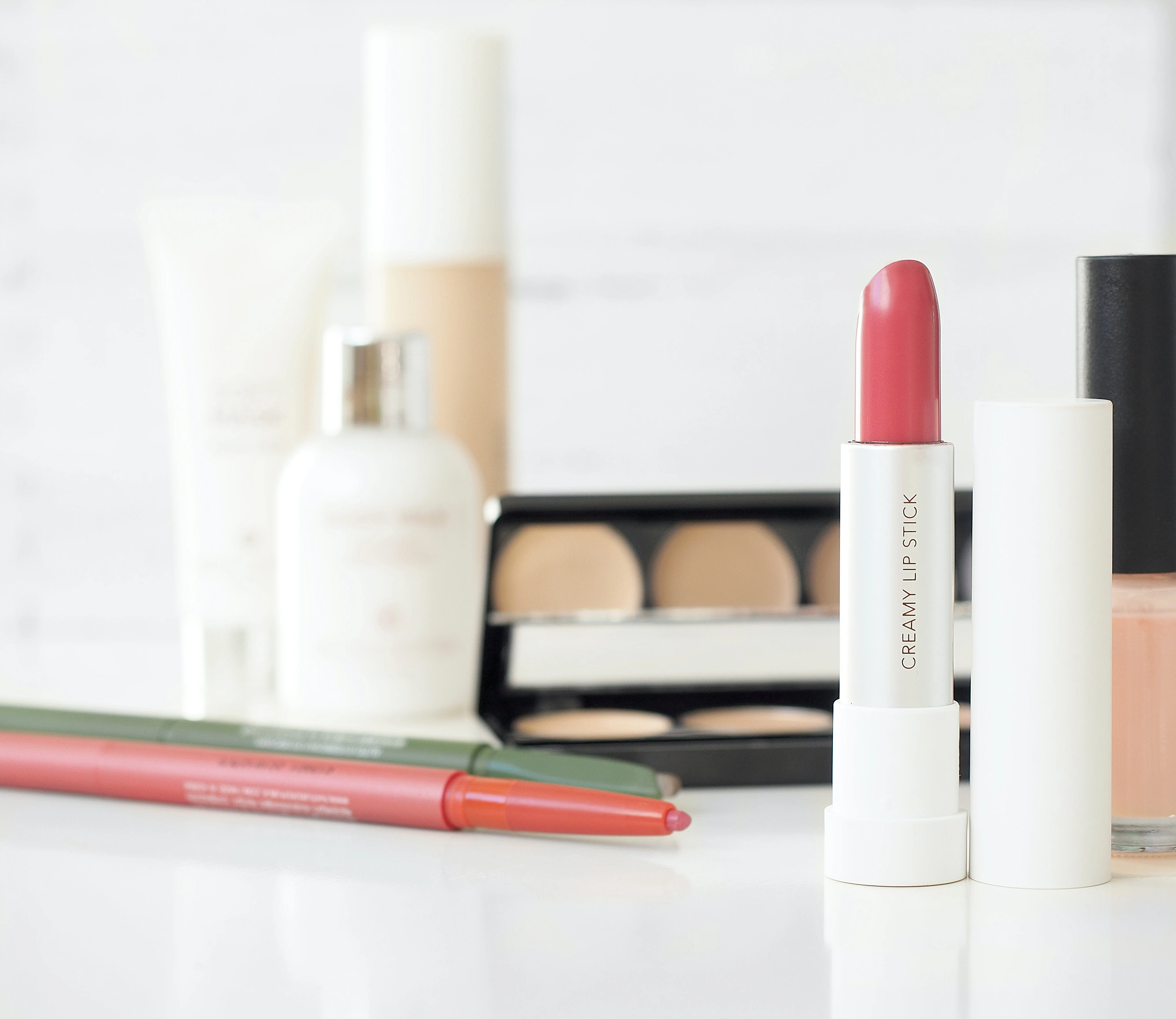
For blemishes and areas of uneven color, choose a concealer close to your skin tone or foundation shade. A noticeably lighter shade can draw attention to a blemish rather than hide it.
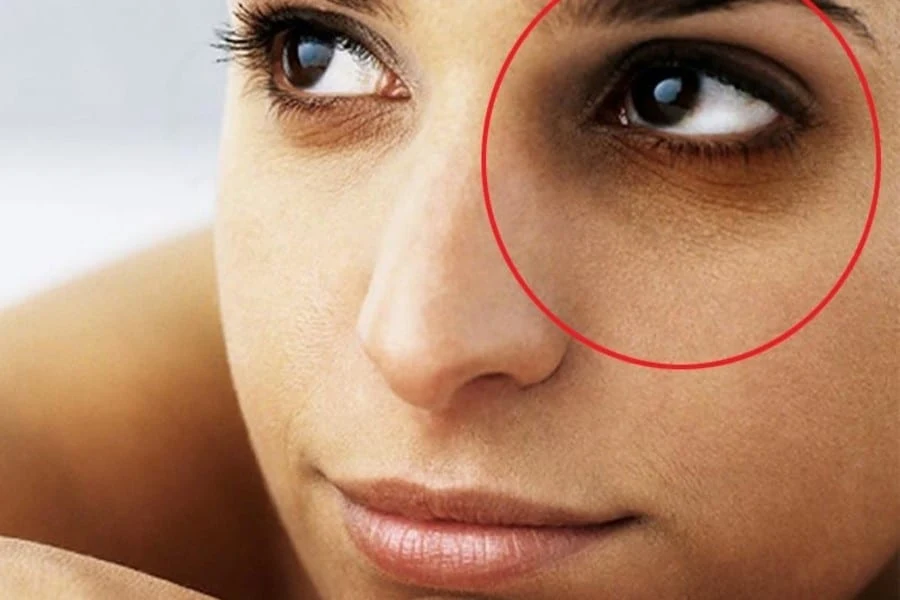
For the under-eye area, some people prefer a slightly brightening shade. Apply a small amount first and build coverage only where needed. A thin, flexible formula is often easier to blend around the eyes than a heavy layer of product.
Applying concealer
Place a small amount directly on the area you want to cover. Blend the edges gently with clean fingers, a brush or a makeup sponge rather than spreading a thick layer across the entire face.
Under-eye puffiness can have many causes, including normal aging, fluid retention, allergies and lack of sleep. Makeup can change its appearance temporarily, but it does not treat the underlying cause. Persistent or concerning swelling should be assessed appropriately rather than relying on cosmetic remedies.
Using powder
Setting powder can reduce shine and help foundation or concealer stay in place. Choose a shade and finish that work with your complexion and base makeup.
Pick up a small amount with a soft brush, tap off the excess and apply a light layer where it is needed. Too much powder can emphasize texture or fine lines, particularly around the eyes.
If you are applying powder beneath the eyes before eye shadow, a small amount can catch loose eye-shadow particles. Brush the excess away gently when the eye makeup is complete.
Keep the finish natural
The amount of product matters as much as the formula. Thin layers are easier to blend and adjust than one heavy application. Good lighting can also help you check that concealer and powder are blended evenly before finishing your makeup.




Comments
Leave a Comment
Your email address will not be published. Required fields are marked *