
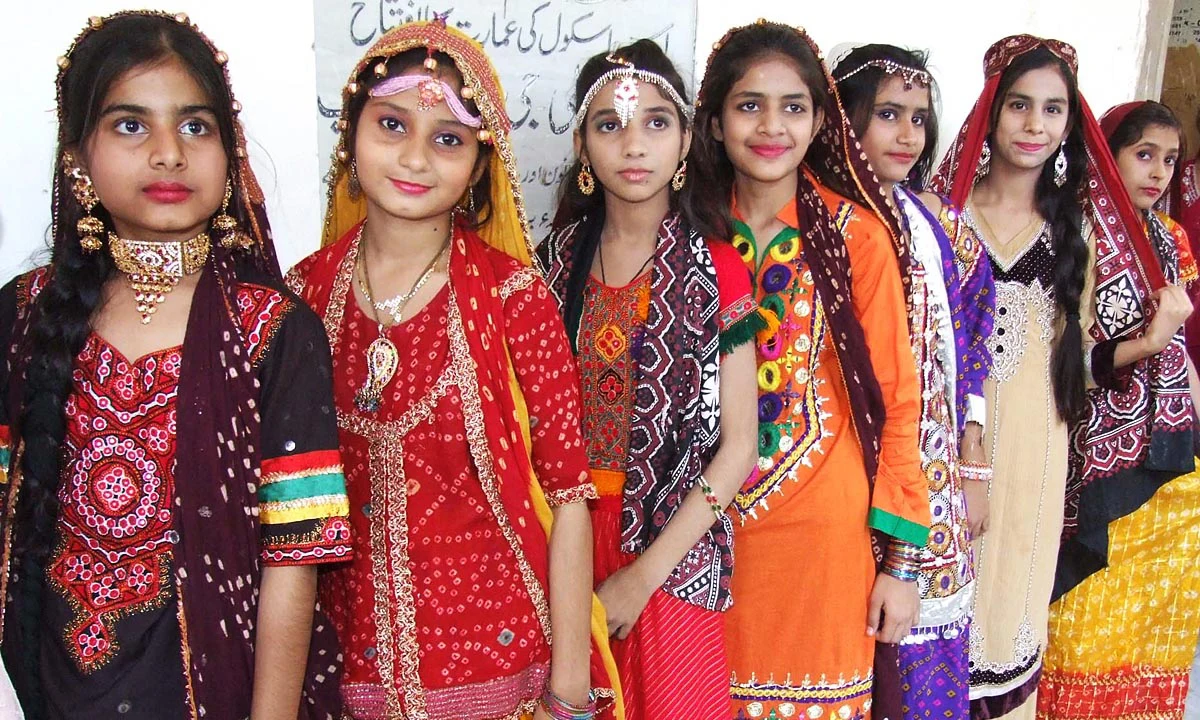
Chunri, also written chunari or chunri, refers to a traditional patterned textile associated with resist-dyeing techniques found across parts of South Asia. In Sindh, colourful versions are used in a variety of garments and remain connected with regional craft and dress traditions.
How the pattern is created
The characteristic dotted and patterned appearance is produced by preventing dye from reaching selected areas of fabric. Small sections are tightly tied or otherwise resisted before the cloth is dyed.
When the ties are removed after dyeing, the protected sections retain contrasting colours and create the pattern. Multiple stages can be used for more complex colour combinations.
Chunri in clothing
Chunri fabric can be incorporated into garments and accessories such as dupattas and coordinated outfits. Styles vary between communities, makers and changing fashion trends.
Craft and modern fashion
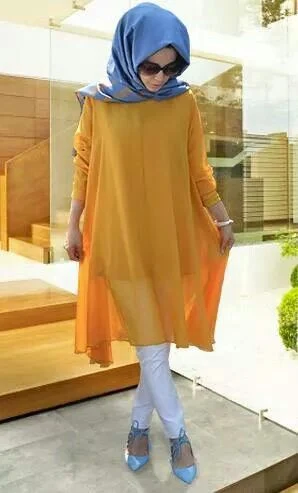
Traditional textile techniques continue to be adapted for contemporary clothing. Differences in fabric, dyes, pattern scale and colour combinations allow makers to produce both traditional-looking and modern designs.
Descriptions of Chunri should recognise it as a textile and craft tradition rather than reducing it to one specific type of women's dress. Its significance comes from both the resist-dyeing technique and the communities that continue to make and wear it.






Comments
Leave a Comment
Your email address will not be published. Required fields are marked *