
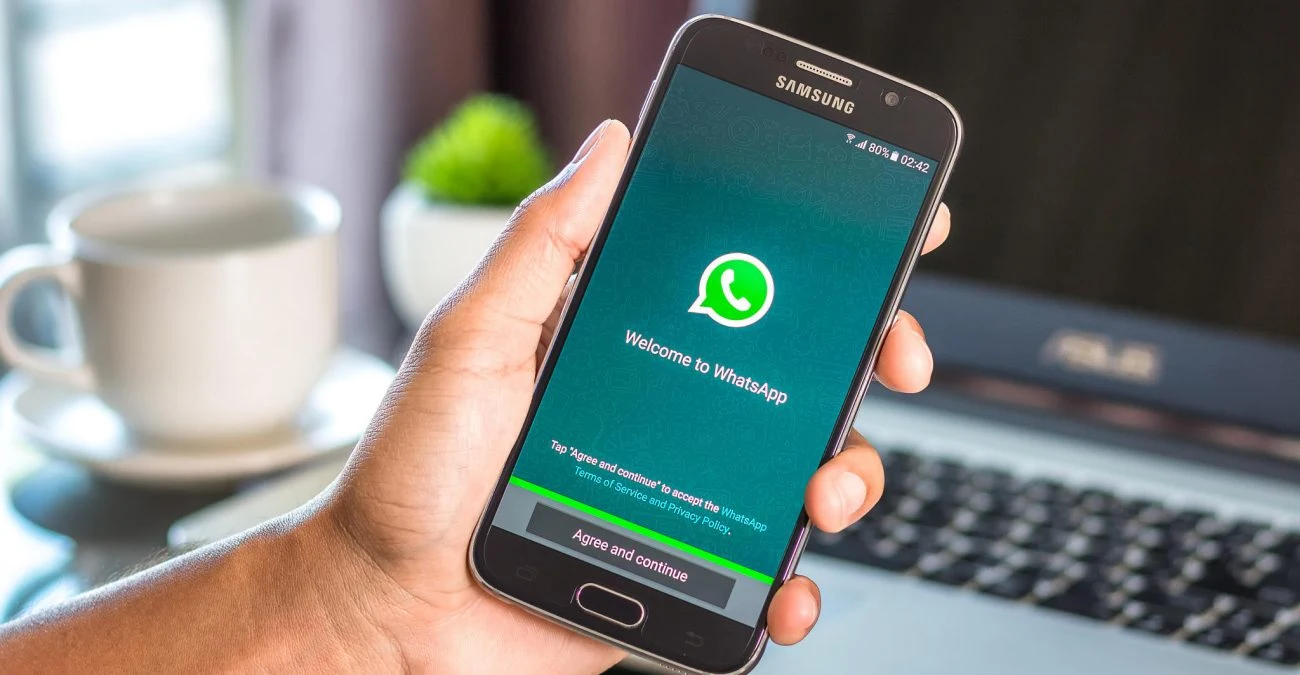
WhatsApp account scams often rely on social engineering: the attacker persuades a person to reveal a verification code or approve access that should remain private.
How the scam usually works
A message may appear to come from a friend, relative or support representative. The sender creates urgency and asks for a code received by text message, a password, money or a click on an unfamiliar link. If a contact’s account has already been compromised, the request can look convincing because it comes from a familiar profile.
Protect your account
Never share a registration or two-step verification code. Confirm unusual requests through a separate channel, enable two-step verification, review linked devices and keep the app updated. Treat unexpected links and requests for payment with caution even when the display name is familiar.
If access is lost
Use the application’s official recovery process, alert close contacts and review linked sessions as soon as possible. Avoid paying anyone who claims they can recover an account through unofficial tools. For broader digital-safety context, read how cryptocurrency works and how blockchain records information.







Comments
Leave a Comment
Your email address will not be published. Required fields are marked *