
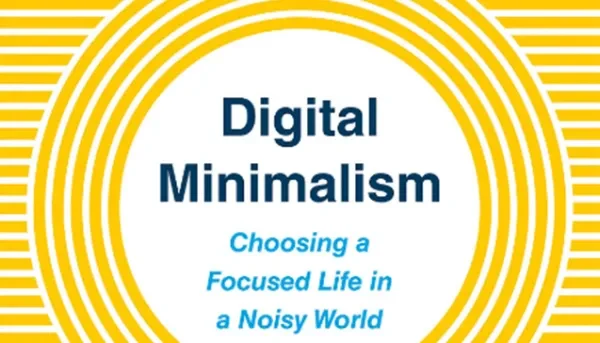
Digital tools make communication, work, learning, and entertainment easier, but they also compete for attention. Digital minimalism is a way to decide which technologies deserve a place in your life and how you want to use them. It is not a demand to reject every screen or delete every account.
What Digital Minimalism Means
The term is closely associated with author Cal Newport, who presents digital minimalism as a deliberate approach to technology. In practical terms, it means choosing tools because they support something you value rather than keeping them simply because they are popular, convenient, or difficult to ignore.
The right choices vary. A messaging app may be essential for one person's work and unnecessary for another. The goal is not a universal list of approved devices. It is a clearer reason for using each one.
Begin with a Digital Audit
Start by reviewing the apps, accounts, subscriptions, and notifications that regularly ask for your attention. For each item, consider three questions:
- What useful purpose does this serve?
- Is there a simpler way to achieve the same purpose?
- What boundaries would make this tool easier to control?
A screen-time report can provide useful context, but the number alone does not explain whether that time was necessary, enjoyable, or distracting. Look at patterns instead. Repeated checking, unwanted alerts, and feeds opened without a clear purpose are practical places to begin.
Set Boundaries That Fit Daily Life
Small boundaries are often easier to maintain than a dramatic temporary detox. You might disable non-urgent notifications, remove distracting apps from the home screen, or choose specific times for email and social media. Keeping devices away from meals, conversations, or focused work can also create a clearer separation between online and offline activity.
If one platform no longer serves a useful purpose, leaving it may be reasonable. Our guide on how to step away from social media outlines questions to consider before closing an account. If you still need the platform, limiting when and why you open it may be a more realistic option.
Replace Digital Clutter with a Chosen Activity
Removing an app does not automatically create a satisfying alternative. Decide in advance how you want to use the recovered time. Reading, exercise, a hobby, an in-person conversation, or uninterrupted rest can give the boundary a positive purpose.
This is also where ordinary technology can remain helpful. A calendar may protect focused time, while a simple note can capture tasks that would otherwise prompt repeated checking. The difference is intentional use rather than automatic use.
Review and Adjust the System
Digital needs change with work, study, travel, and family responsibilities. Review your choices periodically. A tool that was useful during a project may no longer be necessary, while a new responsibility may justify adding something back.
A practical review asks whether a tool still supports its stated purpose, whether the boundaries are working, and whether the cost in time or attention feels reasonable. There is no need to treat every lapse as failure. Adjust the system and continue.
Conclusion
Digital minimalism is less about owning fewer devices than making clearer decisions. Audit what you use, keep the tools that support your priorities, and place workable limits around the rest. The result should be a technology routine that fits your life—not another rigid standard to follow.








Comments
Leave a Comment
Your email address will not be published. Required fields are marked *