
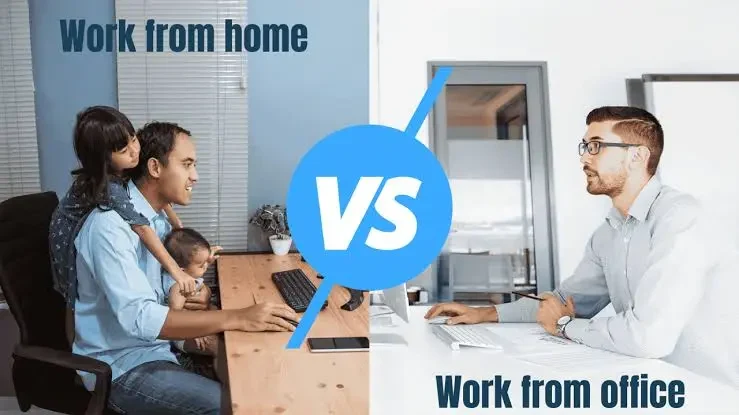
Ask ten coworkers where they want to work, and you will probably get ten different answers, followed by a lively argument about commute times. The remote work versus return to office debate has not faded since the pandemic reshaped the workday. If anything, it has become more personal. Employers talk about collaboration, culture, and accountability. Employees talk about focus, flexibility, and time. Both sides have real points, and the honest answer to what people want is more nuanced than any headline suggests. This article lays out the arguments, the trade-offs, and practical ways to navigate the debate, whichever side of the desk you sit on.
What Do Employees Really Want?
Surveys over the past several years have generally shown that many employees value flexibility and often prefer hybrid or remote arrangements, while many employers lean toward more time in the office. Preferences vary by role, industry, age, and personal circumstances, so check current surveys for the latest figures rather than relying on a single statistic.
How We Got Here
Before 2020, working from home was an exception. Then remote work became mandatory for millions, and many discovered it was possible to do their jobs well outside an office. As restrictions eased, companies took different paths. Some stayed fully remote, many adopted hybrid schedules, and others asked workers to return full-time. The debate continues because both models have worked for some teams and failed for others.
The Case for Remote and Hybrid Work
Flexibility and Autonomy
Many employees value control over their schedules. Being able to attend a school event, handle an appointment, or work during peak focus hours can improve satisfaction.
Time and Money Savings
Skipping the commute gives back hours each week and cuts costs for fuel, transit, parking, and meals. Employees can also use that reclaimed time more intentionally with the right productivity tools. For many people, that time is a major benefit.
Wider Talent Pools
Companies that hire remotely can recruit from more places, and workers can access jobs beyond their local area.
Focus Time
Some roles benefit from quiet, uninterrupted stretches that home offices can provide, though this depends heavily on living situations.
Accessibility
Remote work can open opportunities for people with disabilities, caregiving responsibilities, or health conditions that make daily commuting difficult.
The Case for Returning to the Office
Collaboration and Spontaneity
Quick conversations, whiteboard sessions, and hallway chats can spark ideas that scheduled calls sometimes miss.
Mentorship and Learning
Newer employees may learn faster by observing colleagues and getting immediate feedback. For people still deciding on their professional direction, thoughtful career selection can also shape which working environment suits them best. Early-career workers often say they benefit from in-person guidance.
Culture and Connection
Shared spaces can build relationships and a sense of belonging. Some people find remote work isolating.
Clear Boundaries
Separating work and home can help people disconnect. For those who struggle to switch off, an office provides a natural boundary.
Management Preferences
Some leaders feel more confident coordinating and evaluating work when teams are together, though measuring results instead of presence is an alternative.
The Trade-Offs Nobody Likes to Mention
Remote work can blur boundaries, leading to longer hours and fatigue. It can reduce visibility for promotions if managers favor those they see in person. Meanwhile, office mandates can raise costs for employees and may lead some to look for other jobs, while office space itself is expensive for employers. There is no free option.
Why Hybrid Is So Popular
Hybrid work attempts to capture the best of both: in-person time for collaboration and remote days for focus. It works best when it is intentional. If everyone comes in on different days and spends the day on video calls, the benefits disappear. Teams that choose shared anchor days and clear purposes for office time tend to have an easier experience.
What Employees Can Do
Know your priorities. Decide what matters most, whether that is flexibility, pay, growth, or location.
Focus on results. Document your achievements, so your impact is visible wherever you work.
Communicate clearly. If you work remotely, share updates proactively. If you are in the office, be open to flexibility when it makes sense.
Negotiate thoughtfully. If you want a different arrangement, present a case that explains how it benefits the team and business.
Check policies before accepting a job. Ask about expectations and whether they might change.
What Employers Can Do
Explain the reasons. People accept policies better when they understand the purpose.
Make office days worthwhile. Plan meetings, teamwork, and social time that justify the trip.
Measure outcomes. Evaluate performance by results and clear goals. Practical habits for staying productive at the office can support those goals when teams work on-site.
Invest in remote tools and culture. Good communication habits matter in any model.
Stay flexible. Reassess policies based on feedback and performance instead of assumptions.
Looking Ahead
The future of work is likely to stay mixed. Some companies will go fully in-person, others fully remote, and many will stay hybrid. Technology, economic conditions, and labor markets will continue to influence the balance. The most useful skill, for workers and managers alike, may be adaptability.
Frequently Asked Questions
Do most employees prefer remote work? Many surveys show strong interest in flexible or hybrid arrangements, but preferences vary by person and role. Check recent research for current numbers.
Is remote work more productive than office work? Studies and company experiences differ. Productivity depends on the job, team, tools, and management quality.
Why are companies asking employees to return to the office? Common reasons include collaboration, culture, mentoring, and management preferences.
What is hybrid work? Hybrid work combines office days and remote days, with schedules set by the employer or teams.
How can I ask my employer for flexibility? Focus on results, propose a trial period, and explain how your setup benefits the team.
Comments
Leave a Comment
Your email address will not be published. Required fields are marked *