
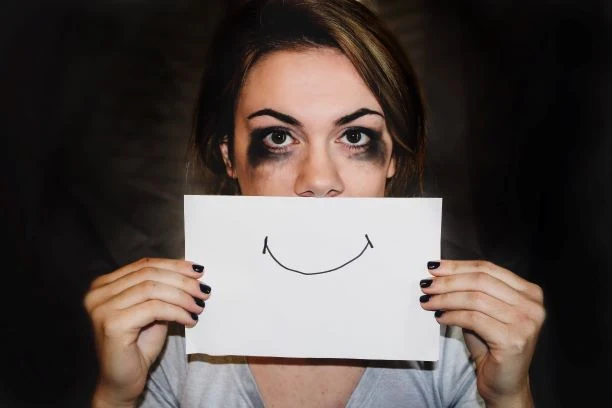
The phrase “social depression” is sometimes used informally to describe feeling isolated or withdrawing from other people, but it is not a standard mental-health diagnosis.
Social withdrawal can occur for many reasons, including stress, low mood, social anxiety, depression, physical illness or a temporary preference for more time alone.
What Is Social Anxiety?
Social anxiety disorder involves persistent fear of social situations in which a person may feel watched, judged or embarrassed.
What Is Depression?
Depression can involve persistent sadness or loss of interest or pleasure, along with changes involving sleep, appetite, concentration, energy or feelings about oneself.
Social withdrawal by itself does not establish that someone has depression.
Can They Occur Together?
Social anxiety and depression can occur together, but they are distinct conditions and should not be treated as interchangeable terms.
Being Introverted Is Not a Disorder
Preferring smaller groups, quiet environments or time alone does not automatically indicate a mental-health condition.
When to Seek Help
Consider speaking with a qualified mental-health professional if anxiety, persistent low mood or social withdrawal is causing significant distress or interfering with daily life.








Comments
Leave a Comment
Your email address will not be published. Required fields are marked *