
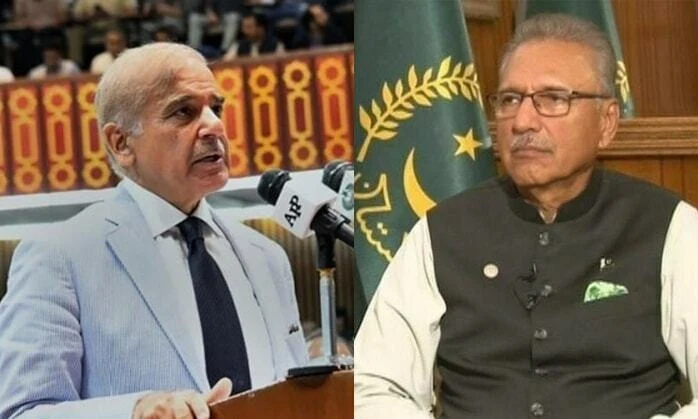
In June 2022, then-President of Pakistan Dr Arif Alvi returned legislation amending the country’s accountability law without giving his assent. The episode formed part of a disagreement between the presidency and the coalition government over changes to the National Accountability Ordinance.
What happened to the NAB amendment bill?
The National Assembly and Senate had approved legislation changing the National Accountability Bureau framework. President Alvi initially returned the bill on June 4, 2022, requesting reconsideration and further deliberation.
Parliament subsequently reconsidered the legislation in a joint sitting and passed it again on June 9. After it was presented to the president again, Alvi returned it unsigned on June 20.
Why did President Alvi object?
In statements issued at the time, Alvi argued that the amendments would weaken the accountability system and make action against corruption more difficult. He described the legislation as regressive and raised objections about its effect on accountability. These were the president’s stated views on the legislation, rather than independent findings of wrongdoing.
Alvi also referred to concerns about white-collar crime, unexplained wealth and the effectiveness of investigations and prosecutions. His objections reflected the political and legal debate surrounding changes to the NAB framework at the time.
What was the constitutional process?
Under Article 75 of Pakistan’s Constitution, legislation returned by the president can be reconsidered by Parliament in a joint sitting. If passed again and presented to the president, the Constitution provides a further process governing presidential assent. Alvi acknowledged that the legislation could become law despite his decision not to sign it.
Historical context
This article concerns events in June 2022. It records the legislative dispute and the positions expressed at that time and should not be read as describing Pakistan’s current government, presidency or current NAB law.





Comments
Leave a Comment
Your email address will not be published. Required fields are marked *