
Vitamin K and bone health: what the research shows
Vitamin K is a fat-soluble vitamin best known for its role in blood clotting, but it is also needed for healthy bones. Interest in vitamin K and fractures grew after an observational study from Edith Cowan University's Nutrition and Health Innovation Research Institute, working with the University of Western Australia, linked higher vitamin K1 intake with fewer fracture-related hospital admissions in older women.
The Edith Cowan University study
Researchers followed almost 1,400 older Australian women from the Perth Longitudinal Study of Ageing Women for 14.5 years. Women who ate more than 100 micrograms (mcg) of vitamin K1 a day were 31% less likely to have any fracture than those eating less than 60 mcg a day, and their risk of hip fracture hospitalisation was 49% lower. The results were independent of other established factors such as calcium intake and vitamin D status. The study was published in Food & Function in 2022.
This was an observational study, so it shows an association rather than proof that vitamin K prevents fractures. People who eat more leafy vegetables may differ in other healthy ways. According to the US National Institutes of Health (NIH), some studies link higher intake of vitamin K-rich foods with stronger bones and fewer hip fractures, but trials of vitamin K supplements have produced mixed results, and more research is needed.
Hip fractures matter because, especially in older age, they can lead to disability, loss of independence and a higher risk of death.
What is osteoporosis?
Osteoporosis is a condition in which bones lose density and strength over time, making them more likely to break after a minor fall or bump.
Who is at higher risk?
Osteoporosis can affect both men and women, but it is a major health problem for women after the menopause, because falling oestrogen levels speed up bone loss. Age, low body weight, smoking, heavy drinking, family history and some medicines also raise the risk. Anyone concerned about their bone health should ask a doctor about a fracture-risk assessment or bone density scan.
How does vitamin K support bones?
Vitamin K acts as a cofactor for an enzyme that carboxylates certain proteins, including osteocalcin in bone. Carboxylated osteocalcin can bind calcium properly, which is thought to support bone mineralisation and toughness. The Edith Cowan researchers note that intakes below about 100 mcg a day may be too low for full carboxylation.
How much vitamin K do you need?
The NIH sets an adequate intake of 120 mcg a day for adult men and 90 mcg a day for adult women. Australia's guideline for women is lower, at 60 mcg a day. Most people can reach these amounts through diet; the Edith Cowan team says one to two serves of vegetables, or about 125 g of dark leafy greens, provides roughly 100 mcg of vitamin K1.
Vitamin K deficiency is very rare in healthy adults. People at higher risk include newborns who do not receive a vitamin K injection at birth, people with conditions that reduce fat absorption, such as cystic fibrosis, coeliac disease or ulcerative colitis, and people who have had bariatric surgery. Deficiency mainly causes bleeding and bruising problems.
The two main types of vitamin K
- Vitamin K1 (phylloquinone): found mainly in green leafy vegetables and vegetable oils.
- Vitamin K2 (menaquinones): found in fermented foods and foods from animals.
Foods that provide vitamin K
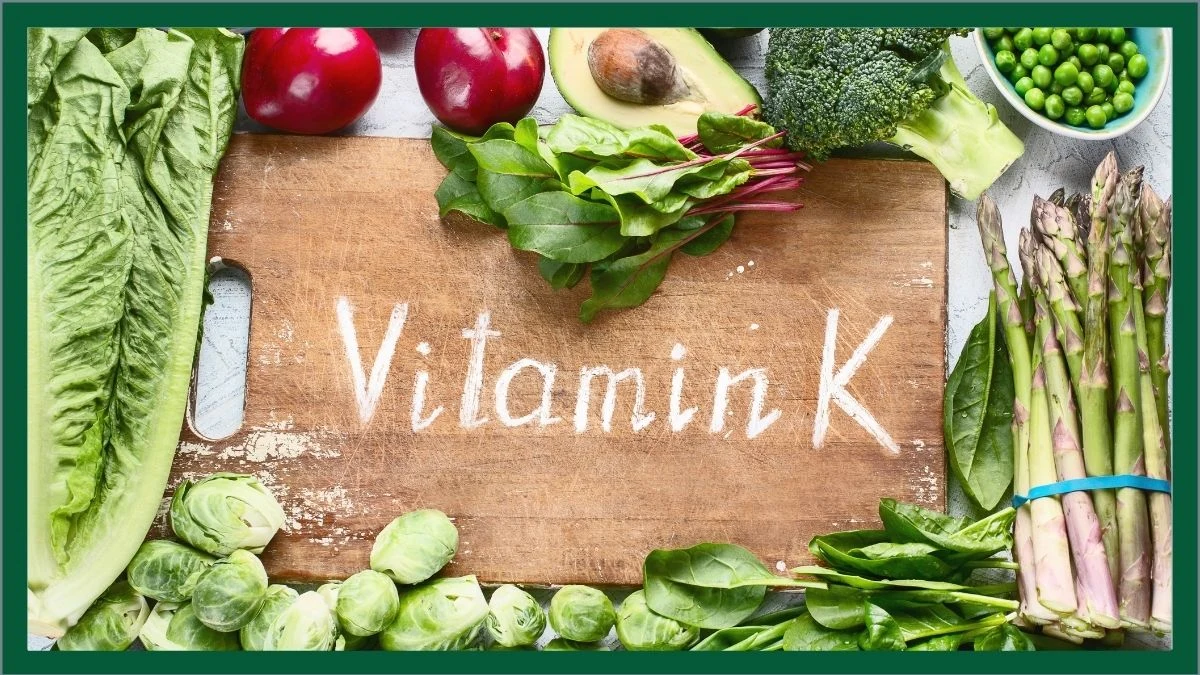
- Green leafy vegetables: kale, spinach, broccoli and cabbage are among the richest sources of vitamin K1. They can be eaten in salads, soups or curries.
- Vegetable oils: soybean and canola oils contain vitamin K1 and are an easy way to include it in cooked meals.
- Soybeans: a legume eaten as edamame, tofu and soy products.
- Fruits: prunes, kiwi, avocado and blueberries contain smaller amounts.
- Nuts: cashews and pine nuts provide modest amounts alongside protein, fibre and healthy fats.
- Fermented foods: sauerkraut and other fermented foods can contain vitamin K2, though amounts vary by product.
- Animal foods: some cheeses, eggs and meat provide vitamin K2.
Vitamin K is fat-soluble, so eating vegetables with a little oil may help absorption.
Important warning if you take warfarin
Vitamin K directly affects how warfarin (Coumadin) works. If you take warfarin, the NIH advises keeping your daily vitamin K intake from food and supplements about the same. A sudden drop can increase bleeding risk and a sudden rise can increase clotting risk. Do not start vitamin K supplements or make large changes to your intake of leafy greens without speaking to your doctor or anticoagulation clinic. You can read more about foods, vitamin K and blood clotting.
Other ways to protect your bones
- Get enough calcium and vitamin D from diet, sunlight or supplements if advised.
- Do regular weight-bearing and muscle-strengthening exercise.
- Avoid smoking and limit alcohol.
- Reduce fall risks at home, especially in older age.
Conclusion
A diet rich in leafy green vegetables provides vitamin K along with many other nutrients, and research links higher vitamin K1 intake with a lower risk of fractures in older women. It is not a substitute for medical treatment of osteoporosis. Talk to a healthcare professional about your bone health, particularly if you take blood-thinning medicine.
This article is for general information and is not a substitute for medical advice.
Sources: Sim M, et al. Dietary vitamin K1 intake is associated with lower long-term fracture-related hospitalization risk: the Perth Longitudinal Study of Ageing Women. Food & Function, 2022 (DOI 10.1039/D2FO02494B); Edith Cowan University media release, November 2022; NIH Office of Dietary Supplements, Vitamin K fact sheet for consumers.




Comments
Leave a Comment
Your email address will not be published. Required fields are marked *