

A healthy lifestyle is built from several habits rather than one perfect diet, exercise routine or sleep schedule. Individual needs vary with age, health, work and other circumstances.
Eat a varied diet
A balanced dietary pattern generally includes a variety of vegetables, fruits, whole grains and appropriate sources of protein, while limiting excessive free sugars, salt and foods high in unhealthy fats.
No single food guarantees good health, and nutrition advice may need to be adapted for medical conditions or individual requirements.
Stay physically active
Regular physical activity supports cardiovascular health, strength, mobility and overall well-being. Walking, cycling, sport and structured exercise can all contribute.
The appropriate amount and intensity depend on the individual. Someone starting exercise after a long period of inactivity or living with a medical condition may benefit from professional guidance.
Get adequate sleep
Sleep supports physical and mental functioning. Adults commonly need several hours of good-quality sleep each night, but needs differ between individuals and across the lifespan.
Persistent insomnia, excessive daytime sleepiness or other significant sleep problems should not simply be treated as a lifestyle failure.
Look after mental and social well-being
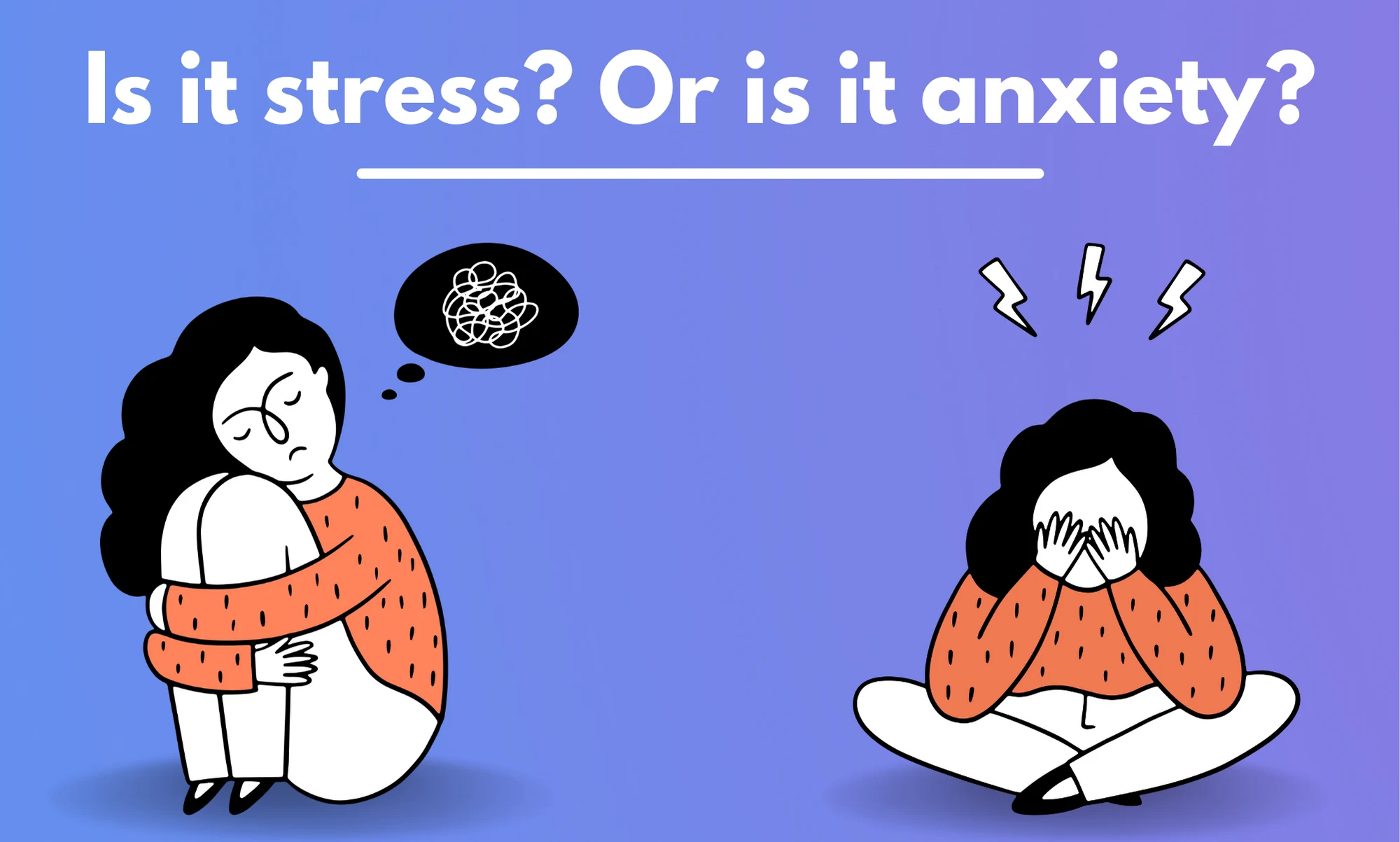
Stress management, supportive relationships, meaningful activities and time for recovery can contribute to well-being. Persistent anxiety, depression or other mental-health symptoms deserve appropriate professional support.
Use preventive healthcare
Recommended vaccinations, health screening, dental care and medical check-ups can be important depending on age and individual risk.
Healthy living is best viewed as a sustainable pattern. Small improvements maintained over time are generally more realistic than extreme short-term routines.






Comments
Leave a Comment
Your email address will not be published. Required fields are marked *